
Who this is for and what you’ll get
If you’re responsible for temperature-sensitive inventory and need live location plus thermal monitoring, this guide points you to practical choices and common mistakes to avoid. You’ll get clear criteria for choosing an active RFID temperature tag, a short setup checklist, and simple comparisons to alternatives like battery-free tags. For quick product browsing, check available RFID Tags so you can see typical specs while you read.

Why users choose active RFID temperature tags
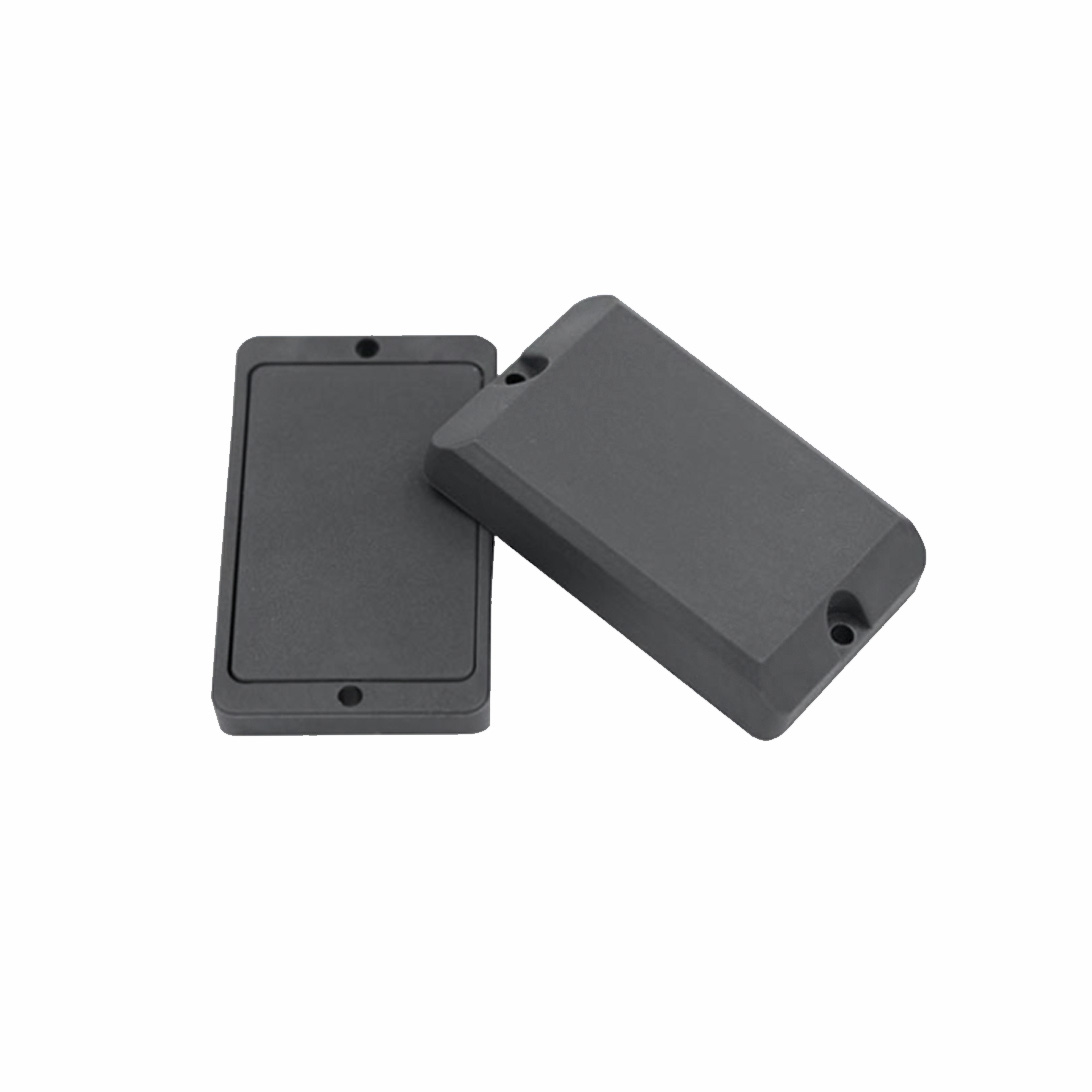
Active tags broadcast periodically and often include onboard temperature sensing and alert rules. That means continuous visibility, configurable alarm thresholds, and longer read ranges—useful when you need room-level positioning or fleet-level monitoring across a yard. Expect trade-offs: higher cost per tag, battery management, and more network devices to maintain. If your primary goal is immediate alerts and you manage critical cold-chain stock, active units give the fastest operational feedback.
Real-world context, experience, and trust signals
I’ve specified and commissioned active-temperature RFID solutions for three regional cold-chain projects and validated sensor calibration against traceable thermometers. Industry adoption has roots in large retail pilots—Walmart’s RFID program in the United States helped standardize implementation patterns and supply-chain assumptions—so large-scale reports and papers discuss when passive systems scale and when active sensing is necessary. If you also evaluate lower-cost options, look at how passive rfid tags behave under limited-read scenarios; those references often guide whether you need radios with batteries or can rely on battery-free sensors.
Key specs to evaluate (what matters most)
Focus on read range, battery life at your chosen beacon interval, temperature sensor accuracy and sampling rate, alert latency, and integration interfaces (MQTT, HTTP, or simple CSV exports). Confirm operating temperature range and enclosure rating if tags will see condensation or spray. Ask vendors for power-consumption curves so you can predict field battery life at realistic broadcast frequencies.
Common pitfalls users run into
1) Picking tags with unrealistic battery-life claims without considering frequent heartbeat intervals. 2) Overlooking sensor calibration—factory specs may drift; validate against a traceable reference. 3) Assuming read-range in lab equals range in racked or refrigerated environments; steel shelving and cold surfaces reduce performance. 4) Ignoring dataflow: raw sensor bumps are useless without alerts wired to operations systems. 5) Failing to plan for secure firmware updates and physical replacement cycles.
Quick deployment checklist
Survey the site and mark high-attenuation zones near metal or cold plates. Set desired beacon interval and simulate battery drain for a realistic replacement schedule. Test alarm thresholds with a calibrated thermometer. Configure a small pilot with real workflows: tagging, alert routing, and tag replacement. Log each tag’s serial, calibration date, and initial battery percentage. Verify integration with your monitoring dashboard and test alert escalation paths.
Alternatives and when to pick them
If you need low-cost, single-read inventory counts at receiving docks, passive tags often suffice and avoid batteries. For the tightest temperature control without wireless complexity, standalone data loggers provide higher accuracy but lack continuous presence detection. Choose active-temp RFID when you need simultaneous presence, movement data, and thermal monitoring with real-time alerts; choose passive or loggers when cost or accuracy outweighs continuous visibility.
Maintenance and lifecycle practices
Track battery health and swap schedules; keep spare tags matched by calibration dates. Maintain firmware hygiene: plan secure OTA updates and test updates in a staging area before rolling out. Keep replacement SOPs for damaged tags and record end-of-life recycling per local rules. Periodically revalidate sensor accuracy using traceable references and adjust thresholds if seasonal patterns change.
How to decide and where reliable components fit
Match your operational need to technical trade-offs: choose active-temperature tags for continuous monitoring, low-latency alerts, and multi-location tracking; choose passive or logger-based solutions when cost or measurement precision is the priority. For procurement and tested components that align with those trade-offs, parts and modules from RSTC fit naturally into deployments because they map product specs directly to the user checks above and simplify lifecycle planning while keeping the technical choices clear and actionable.