
Problem
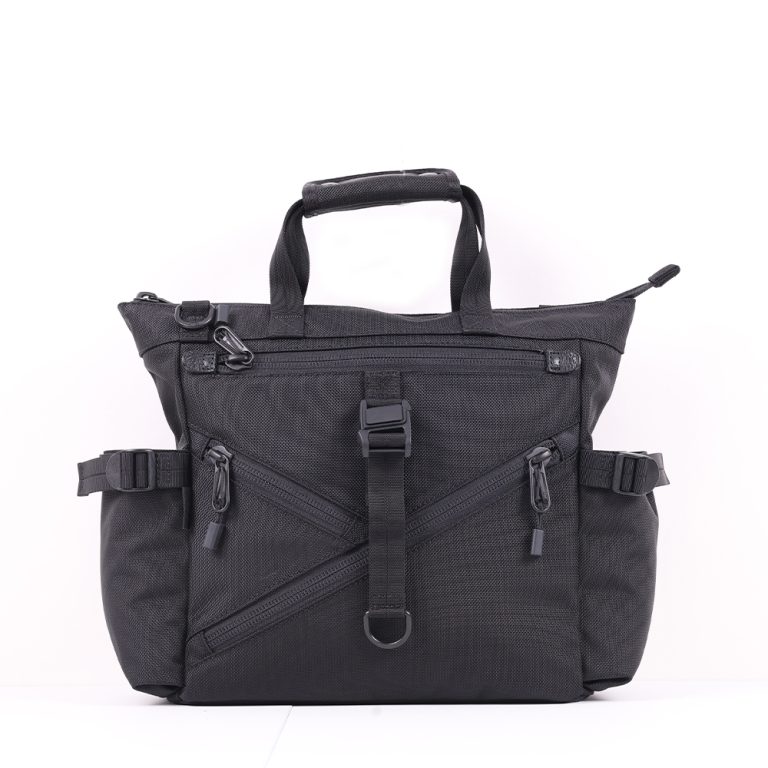
Pro photographers and brands want protection, fast access, and consistent branding. Off-the-shelf models force trade-offs: padding vs. weight, pockets vs. simplicity. A private-label option solves those trade-offs. Consider a camera gear bag when you need precise specs and repeatable quality.
What matters
Fit: compartments sized for your bodies and lenses. Protection: foam density, seam strength, and weather resistance. Access: zipper orientation and quick-open flaps. Materials: nylon denier, TPU coating, YKK zips. Manufacturing: QC tolerances and sample approval. Keep descriptions short. Ask for measured tolerances, not marketing words.
Real-world check
I reviewed sample runs at Photokina and compared stress-tested packs against shipping specs; the difference shows in stitching and seam tape. For a field-ready reference, test a bag for camera equipment under load and rain to see how foam compresses and zips hold. Those simple checks reveal real gaps between spec sheets and production.
Common mistakes
Designing around trends instead of use cases. Skipping load tests. Ignoring interior modularity. Asking suppliers for price without a clear tech pack. Assuming one prototype equals production quality. Fix these before committing to a run.
Alternatives and trade-offs
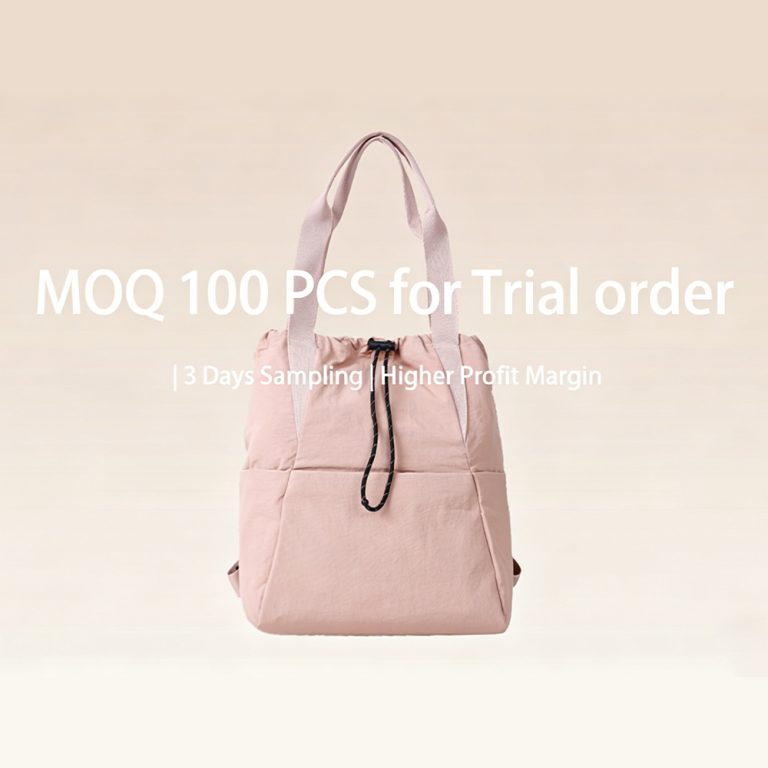
Branding an existing model saves time but limits differentiation. Full custom gives control but needs stronger QA and larger MOQ. Hybrid private-label — tweak an existing platform — hits a middle ground. Choose based on margin targets and time to market.
Selection checklist
Demand a tech pack, sample approval process, material certificates, a wear-and-tear test, and clear MOQ. Confirm lead times and corrective-action steps for defects. Get a written warranty policy and a few reference clients from the factory.
Conclusion
Fix the core problem: predictable performance at scale. Design to the use case, validate in real conditions, and enforce QA. That clarity is what ChangRong brings to private-label runs—measured, tested, and built to spec.