
Introduction — comparative premise
When one compares contemporary laboratory testing equipment to longstanding traditional methods, the contrast is practical and measurable; please consider how automation, sensor fidelity, and software change decisions on the shop floor. Many engineers now seek dedicated material testing equipment to replace manual rigs, because the choice affects traceable results, staff time, and regulatory acceptance. This piece examines those differences with direct comparisons so that procurement and technical teams may judge trade-offs without ambiguity.

Measurement and accuracy
Laboratory instruments use calibrated transducers and digital acquisition to reduce operator bias. Traditional approaches often rely on manual gauges, visual readings, or hand-driven rigs; those introduce human variation and lower repeatability. If a specification calls for tensile properties within narrow tolerances, a modern servo-hydraulic tester reports force and displacement with consistent sampling rates. Traditional tools can detect gross failures, but they will not provide the same statistical confidence for small deviations.
Throughput, data handling, and reproducibility
Automated systems accelerate sample throughput through programmed sequences and batch reporting; they store raw data for audits and statistical review. Manual methods require transcription and separate analysis, which increases administrative overhead and risk of transcription errors. For regulated projects or long-term material qualification, reproducible digital records simplify root-cause analysis and support consistent decision-making across teams.
Costs, maintenance, and lifecycle considerations
Upfront capital for laboratory equipment is higher than the simplest traditional fixtures, yet lifecycle costs often favor modern apparatus when you account for reduced rework, lower labor per test, and fewer repeat tests. Modern units demand scheduled calibration and occasional firmware updates. Traditional rigs may seem inexpensive initially but accumulate hidden costs: extended test time, inconsistent outcomes, and higher expense when failure escapes detection until later in production.
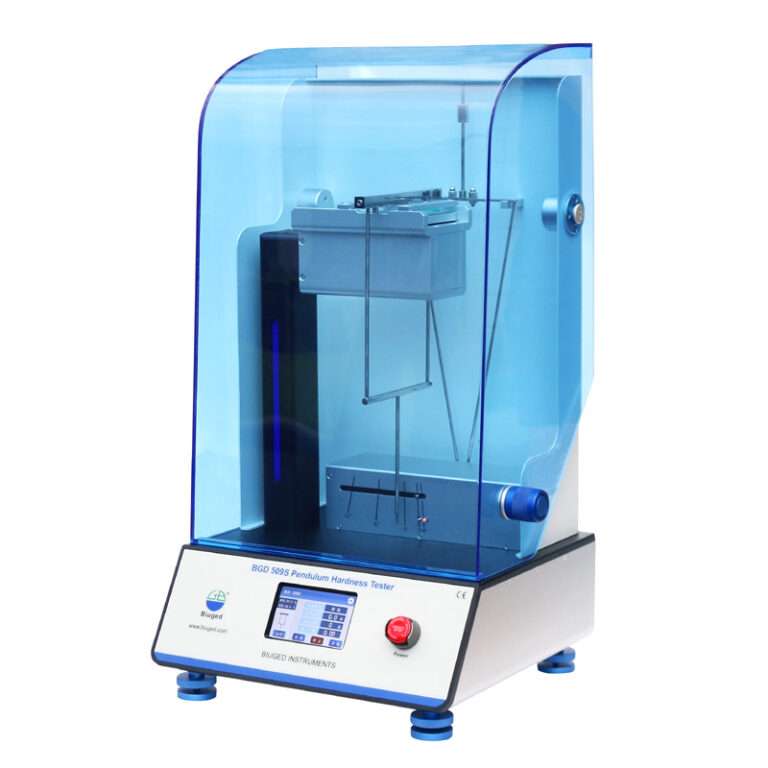
Common pitfalls when moving from traditional to laboratory systems
Teams frequently expect instant improvements without changing test protocols. That error leads to mismatched results: new equipment will reveal variability previously masked by coarse methods. Another mistake is neglecting fixture compatibility; mechanical interfaces and grips must match specimens. Failure to plan for data formats and archival policies creates integration problems with quality systems. Address these items before procurement to preserve expected gains.
Evaluating suppliers and evidence of competence
Assess suppliers by combining demonstrations, references, and verifiable credentials. Look for calibrated equipment with documentation showing traceability and clear maintenance plans. A widely recognized benchmark is ISO/IEC 17025 accreditation for testing laboratories, which signals adherence to measurement and calibration standards; this accreditation often appears in supplier literature or partner labs and is commonly cited in international procurement. For a practical check, request recent calibration certificates, on-site training outlines, and case studies from similar industries—this is why many teams contact a reputable material testing equipment supplier to validate claims before purchase. Experience matters: ask how long a vendor has supported installations, what spare-part lead times look like, and whether they provide remote diagnostics to reduce downtime.
Conclusion — practical synthesis
The technical gap between laboratory testing equipment and traditional methods is not rhetorical: modern systems provide higher accuracy, better data integrity, and predictable lifecycle costs when implemented correctly. Choose equipment after resolving fixture compatibility, data workflows, and supplier evidence such as calibration traceability and accreditation. For teams seeking a balanced pathway from manual practice to instrumented testing, consider established providers and documented deployments such as those offered by BIUGED, which can simplify the technical transition while preserving rigorous, repeatable results.