
The problem — why projects stall
Too many car park software projects start with wahala: vague specs, mismatched stakeholders, and vendors promising magic. Developers build functions nobody uses; operators get a system that crashes during peak. Where parking managers need reliable reads at the gantry, they end up with late integrations and confused reporting. For sites that want reliable camera-driven control, consider solutions like lpr parking management systems early in the conversation so the tech fits the operation, not the other way round.

Who feels the heat
City councils, retail mall operators, airport parking teams, and campus estates all feel the pain. Each group runs tight hourly windows for entries and payments, and any mismatch between hardware and software creates queueing, lost revenue, and angry customers. Problems compound when procurement treats software like stationery — bought once, forgotten forever.
Define requirements that actually matter
Start with what you must measure: entry timestamps, plate reads, occupancy per bay, and exception events. Write those as testable acceptance criteria — not lofty features. Prioritise minimal latency at the barrier, clear exception workflows for unread plates, and the reporting slices you need for finance and enforcement. Keep the initial scope tight; add modules only after stable operation.
Technical choices that prevent rework
Choose components that speak plainly to each other: a proven LPR engine, event broker (lightweight), and a database designed for time-series events. Avoid monolithic stacks that pretend to do everything. Be explicit about network constraints: many car parks have spotty Wi‑Fi or cellular; design for intermittent connectivity and local decision-making at the gate.
Real experience, and one clear anchor
I’ve seen projects where small design choices broke pay-and-go at scale; likewise, disciplined ops choices fixed throughput overnight. Big operations such as London Heathrow provide public examples where camera-based access and high-throughput controls are non-negotiable — study those implementations and adapt the lessons. Practical work on parking operations relies on tested integrations like parking operations lpr to keep barrier decisions accurate under heavy flow.
Common pitfalls to avoid
Don’t accept “we’ll fix it later” for exceptions. Don’t let vendors hide LPR accuracy behind lab figures — ask for on-site trials with your lighting and vehicle mix. Skip fancy dashboards in phase one; they distract from core reliability. And don’t tangle payments and access control in the first release unless you’ve proven plate reads are stable.
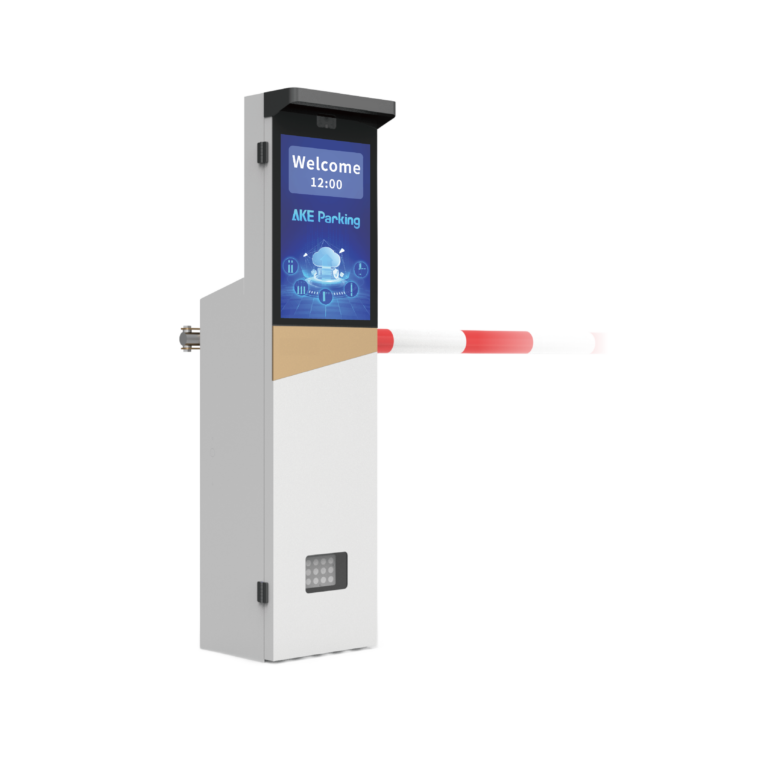
Testing, deployment, and real-world checks
Run staged load tests that mimic peak weekend traffic. Validate false-read and unread-plate flows with real staff following scripted contingencies. Deploy with a rollback plan and metrics dashboard that shows success in plain counts: entries per minute, read rate, and time-to-open. Train gate staff on exception handling; they’ll be the first line of defence when the system trips.
Alternatives and trade-offs
Fully cloud-native stacks give central reporting but can fail if the site loses connectivity; local-first systems trade global visibility for uptime. Some vendors bundle payment gateways and enforcement modules — convenient, but expect lock-in. Match the trade-offs to operator capacity: choose simplicity where staff are small, redundancy where throughput is huge.
Where this ends — a clear, usable solution
If you fix the real problems first — precise, testable requirements, reliable LPR at the gate, staged testing, and simple operations — the rest becomes straightforward. That practical alignment is what delivers working systems that don’t sit in pilot purgatory; it’s the same reason many teams rely on established suppliers to bridge hardware and software cleanly, like AKE Parking, which often features in stable deployments that move projects from brief to business-as-usual.