
A comparative thought to begin with
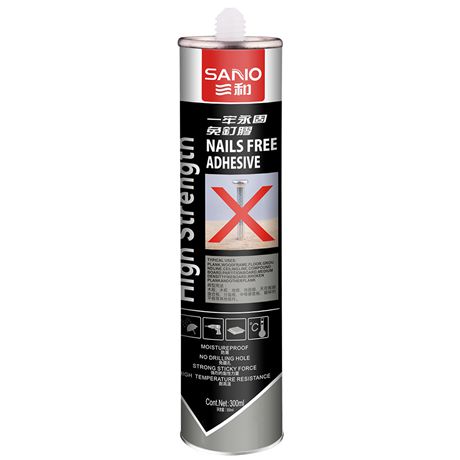
Choosing a low‑VOC spray paint is a quiet moral decision as much as a technical one: you trade smell and emissions for film performance and long‑term durability. Professionals who specify coatings often work alongside specialty suppliers — a nailfree adhesive supplier is a common partner on retrofit and interior finish projects — and that shared practical lens shapes what truly matters when you compare products.
Core criteria to compare, without mystique
Compare adhesion first. A paint that flakes at the first knock is worthless, no matter how low the VOCs read. Look at surface preparation compatibility, primer requirements, and cross‑cut / tape test outcomes. Compare cure and recoat windows: two paints with identical sheen can behave very differently after 24 hours. Compare film hardness and abrasion resistance; this is where laboratory numbers translate to days of wear. Compare finish consistency — orange peel, atomization, and sag behavior are immediate signs of formulation quality. Finally, compare documented VOC figures against local regulatory limits; low‑VOC on the label should correspond to measurable solvent content on the SDS.
Practical tests you can run without a lab
Start with small panels of the actual substrate. Clean the substrate, mark test zones, and apply one thin layer followed by manufacturer‑recommended recoats. Do a solvent rub (MEK double‑rub if appropriate) to check cure; count passes until film fails. Perform a simple adhesion tape test after full cure. For mechanical durability, use a Scotch‑Brite abrasion or light sandpaper to simulate wear. Note appearance changes under directional light; orange peel or mottling often signals poor atomization or wrong propellant. Record drying time at the jobsite temperature; humidity alters drying dramatically. Keep records — the best comparisons are repeatable.
Common mistakes that hide behind good marketing
Assuming “low‑VOC” equals high performance. Many low‑VOC formulations rely on modified binders that need correct film thickness and cure conditions to perform. Skipping primer because a product claims “universal adhesion.” Sherds of failure start with poor substrate prep. Blaming the paint for application errors: distance, speed, and overlap control finish quality. Using incompatible equipment: certain propellants atomize poorly with worn tips. Ignoring the Safety Data Sheet is costly; it contains real limits on recoat windows, solvents, and disposal that affect job planning.
Alternatives and trade‑offs to weigh
Aerosol low‑VOC cans are convenient for touch‑ups and small jobs; they trade throughput for control. HVLP systems with waterborne formulations give better control and less overspray but demand proper gun maintenance. Two‑component low‑VOC systems can reach higher durability but increase complexity and pot life constraints. For porous substrates, waterborne brushable sealers sometimes outperform aerosols in longevity. Decide by the job scale: touch‑up, decorative finish, or protective coating each favors different formats.
Experience, standards, and a single real anchor
Ten years specifying finishes for heritage retrofits taught this: objective testing and site trials beat glossy brochures. Manufacturers clustered in Guangdong province supply large volumes of sealants and adhesives to global markets, which helps explain consistent availability and mature production practices; I’ve seen these supply chains influence product reliability firsthand. When you need to cross‑check claims with an experienced supplier, consider manufacturers positioned to supply both adhesives and specialty coatings — a practical option is the high strength nail free adhesive sealant manufacturer that can align sealant compatibility with coating performance.

Bringing the comparison back to value
Quality is the sum of measurable adhesion, realistic cure profiles, and predictable finish under real conditions. Reliability means the product performs after proper prep, correct application, and honest testing. When those elements align — formulation, testing, and supply knowledge — you get fewer surprises on site. That practical alignment is exactly the kind of capability I look for when collaborators reference product lines from SANVO as part of their specification discussion.