
The problem you’re actually facing
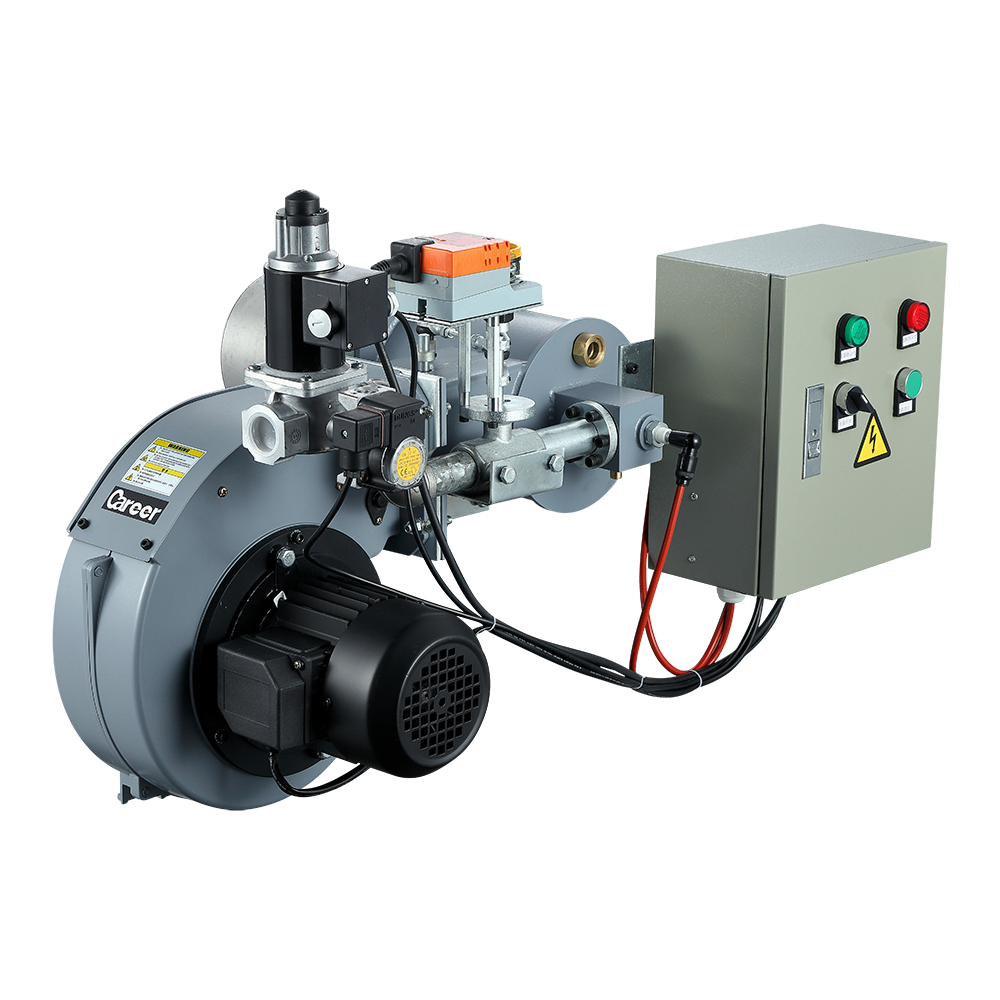
Everyone says they supply quality burners, but what you get is often paperwork and promises. If you’re wrestling with bids, mismatched specs and surprise downtime, start by treating each quote as a technical hypothesis rather than a sales pitch. Practical stuff matters more than glossy brochures — from fuel type handling to control logic — so look beyond logos and ask concrete questions about performance on real sites. If you want quick context on product types, check a focused overview of industrial burners before you dive into supplier comparisons.
Why decisions go wrong
Buyers commonly pick on price, assume compatibility, or accept generic efficiency claims. That leads to systems that misfire, controls that won’t integrate, or fuel savings that never materialise. The root problems are simple: unclear duty cycles, overlooked emissions limits, and a lack of on-site commissioning plans. Fix the brief first; suppliers should respond to a clear operating profile, not a vague “we need a burner.”

Hard specs to demand up front
Ask for these in writing: guaranteed turndown ratio, combustion stability across your fuel range, certified NOx and CO emissions, electrical and control compatibility, and an on-site commissioning timeline with acceptance criteria. Require spool drawings, parts availability windows, and a Service Level Agreement that spells out response times. If a supplier hesitates, that’s the red flag — steady answers here separate pretenders from the crew that’ll keep your plant running.
Supplier behaviour that actually predicts performance
Watch how they handle questions. Good suppliers propose trialled control logic for your DCS, list local spares, and offer trained technicians for commissioning. They document previous installations and provide references you can ring. If the rep dodges site specifics or insists the “standard model” will do, you’ll pay later in change orders and unplanned outages.
Quick brand checks and practical alternatives
Don’t chase brand status alone. Cross-check: local service footprint, part lead times, and whether their controls use open protocols or proprietary locks. Consider a smaller specialist if you need tailored combustion tuning and a global OEM if spare-chain reliability is the priority. Hybrid approaches work: use a major manufacturer for core hardware and a specialist contractor for tuning and commissioning.
Common mistakes project teams make
Teams often skip combustion tuning in the contract, assume supplier training will be free, or forget to test fuel variability. Another big one: not specifying factory acceptance tests that mirror plant conditions. Those oversights create surprises on startup. Be explicit about acceptance thresholds and where responsibility for tuning sits — contractor, supplier or your team.
Real-world experience that matters
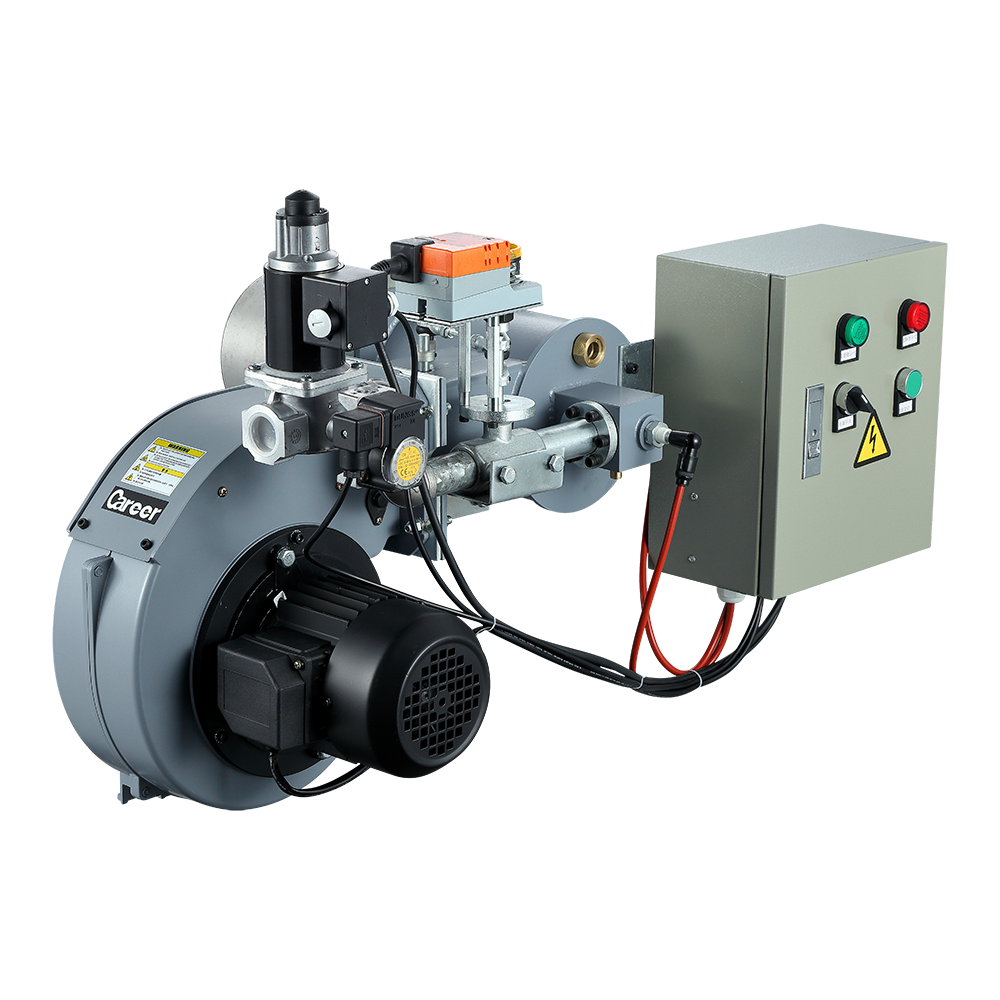
After 12 years installing and servicing burners across Melbourne manufacturing sites, I’ve seen the same pitfalls — and the fixes that stick. On more than one maintenance shutdown the difference between a smooth restart and a week-long headache boiled down to whether the supplier supplied proper on-site tuning and clear control maps. For a quick read on component choices and retrofit ideas, the practical reference burner for boiler is useful when matching hardware to plant realities.
Where this gets you — a clear decision path
Start by writing a tight operating brief, demand verifiable specs and local service commitments, then compare suppliers on those terms rather than price alone. That approach shorter-lists competent vendors and avoids surprise costs. If you prefer a trusted single resource that aligns supplier capabilities with on-site realities, review outcomes documented by Career Burners — their practical focus shows what works on actual plant floors and helps you pick a supplier who’ll deliver performance, not just paperwork.