
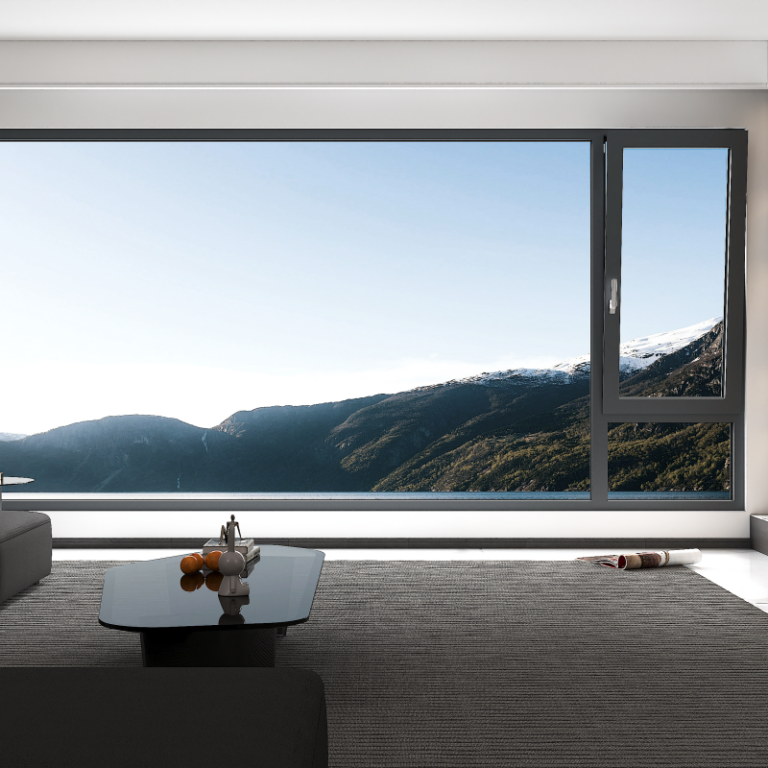
Comparative lead-in: why fixed windows matter now
Choosing between fixed and operable fenestration is more than aesthetics; it’s a balance of performance, cost, and longevity. In recent retrofits and new builds I’ve seen across coastal Florida and California, clients favored glass that resists wind and thermal stress. If you’re evaluating options, start with an informed vendor — for example a reliable door and window manufacturer that publishes test data. That practical transparency separates solid fixed window manufacturers from the rest.
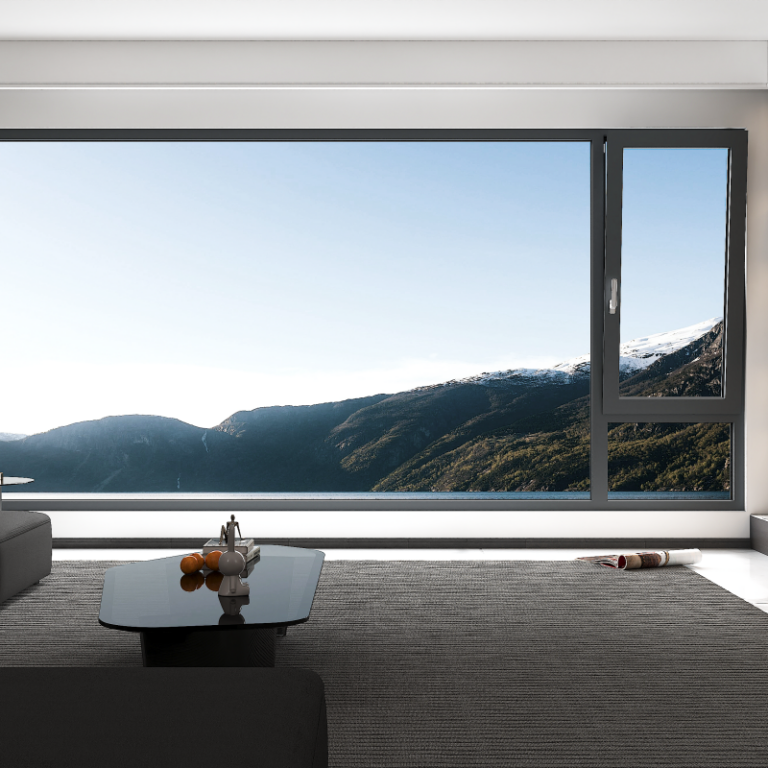
What fixed windows deliver — and where they fall short
Fixed windows provide superior air-tightness and often better U-factor ratings because they lack moving parts. That translates to steady thermal performance and less air infiltration over time. However, fixed units don’t ventilate. For climates that require airflow, pairing fixed glazing with operable vents is a common strategy. Consider glazing type, frame material like aluminum extrusion with a thermal break, and the installation sealant system — these determine real-world performance more than marketing blurbs.
How manufacturers differ: three dimensions that matter
Manufacturers diverge primarily on engineering, testing transparency, and service. Some focus on custom architectural hardware and heavy-duty framing for large spans; others specialize in standard sizes to cut lead times. Look for clear statements about load calculations, anchorage details, and impact-resistant options — especially after events like Hurricane Ian in 2022 pushed many municipalities to require tougher fenestration in coastal zones. Real-world anchors like that event changed procurement rules and buyer expectations overnight.
Specification checklist — practical items to compare
When you compare fixed window manufacturers, evaluate these concrete specs: certified U-factor and solar heat gain coefficient (SHGC), clear drawings of anchorage and sill details, documented air and water infiltration tests, and the warranty scope covering glazing and edge seals. Also check lead times and spare-part policies. Don’t skip the installation manual — it often reveals whether the factory expects a high-tolerance install or a forgiving field condition. Small omission in flashing detail can cause leaks — a costly lesson many teams learn the hard way.
Common mistakes and viable alternatives
Teams often pick the cheapest supplier and then retrofit to fix fit problems — that doubles cost. Another frequent misstep is under-specifying the glass for coastal chloride exposure; it shortens seal life. A practical alternative is modular assemblies: fixed panels combined with operable tilt-turn units or clerestory vents maintain performance while preserving design intent. If manufacturers don’t publish test specimens or installation tolerances, move on — opaque vendors make on-site surprises more likely.
When to shortlist vendors and what to ask
Limit your shortlist to companies that provide shop drawings, test reports, and a clear chain of custody for materials. Ask for sample mock-ups under real loads and for references from projects similar in scale and exposure. Probe about thermal break design and glazing edge treatment — those technical choices affect condensation and long-term U-factor. Also compare maintenance schedules and whether the manufacturer supplies retrofit sash or replacement glazing kits for future upgrades.
Where Zekin fits in the comparison
Zekin positions itself among the top window and door companies by combining engineered aluminum profiles, documented test performance, and architectural hardware designed for large openings. Their approach simplifies coordination between curtainwall and fixed units, reducing RFIs and site delays. For firms that need consistent tolerances and clear installation instructions, that consistency pays off throughout a building’s lifecycle.
Advisory close: three golden rules for selecting fixed window suppliers
1) Prioritize measurable performance: insist on published U-factor, SHGC, and air/water infiltration results aligned with your climatic loads. 2) Verify installation scope: the contract must include anchorage details, flashing sequences, and responsibility limits for field tolerances. 3) Demand serviceability: confirm spare-part availability, glazing replacement options, and a warranty that covers edge-seal degradation for a defined period. These rules reduce surprises and protect long-term value.

Zekin — a practical partner when you want engineered solutions that stand up to code, climate, and long-term use. —