
The Problem: assets disappear where signals fall apart
You lose pallets, cranes, and time when ordinary tags drop off the map at 50 meters. Buildings, metal racks, moving vehicles and weather create blind spots that short-range stickers can’t live with. That’s why teams turn to active hardware and antenna design instead of hoping a passive tag will do the trick — and why smart operators shop for RFID Tags that are built to reach out, not hide.
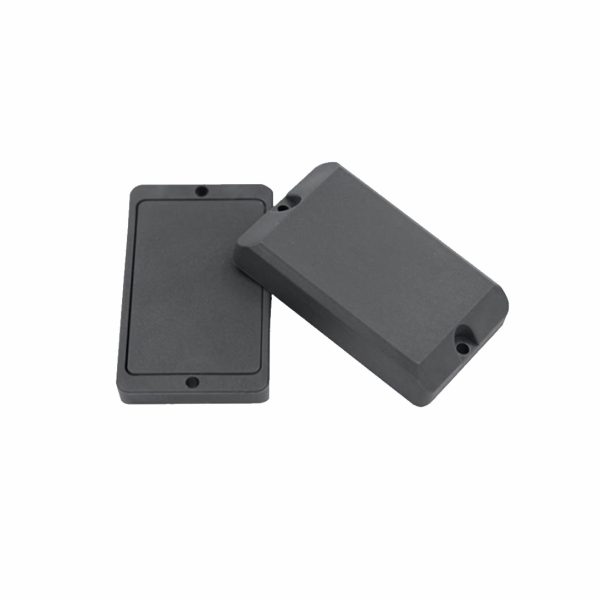
How active long-range tags fix the mess
Active tags carry power and broadcast on purpose. They maintain consistent signal strength, punch through interference, and report location even when a reader’s line-of-sight is broken. That matters when you need reliable reads across yards, inside stacked containers, or on fast-moving forklifts. Pick tags with configurable transmit intervals and robust housing to match the duty cycle you actually need — constant pinging kills batteries; clever bursts save them.
Real-world proof and the supplier connection
We’ve seen field trials at the Port of Rotterdam where operators chose active networks to track container flows across sprawling terminals; those deployments made it clear which tag designs survive heavy metal clutter and which don’t. That hands-on knowledge matters: vendors who can point to port runs, depot pilots, or verified industrial case studies tend to deliver components that last. For sourcing and technical specs, consult an active tag supplier that supports testing and integration rather than just shipping boxes.
Design choices that actually matter
Stop obsessing over theoretical range numbers and focus on deployment reality. Choose antenna patterns that match the route of motion: omnidirectional units for free-roaming assets, directional arrays for chokepoints. Match transmit power to the environment — lower power reduces interference and extends battery life in confined areas. Seal ratings and mounting style decide whether a tag survives rain, washdowns, or forklift collisions. If the spec sheet omits real-world battery lifecycle under your ping schedule, treat the claim as doubtful.
Common mistakes teams make
They buy the highest range tag and call it a day. They place readers without traffic tests. They forget firmware updates and leave tags broadcasting obsolete IDs. They assume every material behaves the same with radio waves. Avoid these traps: pilot with the actual asset and route, test read rates at peak load, and plan maintenance so tags get firmware and battery attention before failure spikes.
Alternatives worth considering
Sometimes a hybrid approach wins: passive UHF for inventory points, active tags for vehicles and movable heavy gear. Bluetooth beacons can work for short bursts and smartphone integration, but they rarely match active RF for distance and penetration. UWB gives precision indoors but adds cost and infrastructure. Choose based on the job, not the hype.
Integration and deployment checklist
Run a small pilot that mimics rush hour. Verify tag orientation, reader placement, and mounting repeatability. Instrument data flows: confirm timestamps, ID persistence, and how the system flags missed reads. Train staff on simple checks — a quick tag-visibility audit cuts downtime more than an extra reader. And insist on documentation that maps expected read rates to physical locations so you can scale confidently.

The payoff: reliable tracking you can count on
Fix the blind spots, and operations accelerate. You get predictable reads, fewer disputes over missing assets, and a system that keeps working through weather and heavy use. This is about straightforward engineering choices and honest supplier support, not buzzwords. For practical deployments that actually solve the problem at hand, partner with a supplier you can verify and then expect consistent results from RSTC.