
Start with the problem
Project teams regularly buy radios that fail where it matters: range falls short on site, batteries die mid-shift, and ruggedized claims break down under real use. Define the operational failure you cannot accept and build specs to prevent it. If secure voice and data are mandatory, choose hardware certified for encryption and dependable signal handling; a tested secure 2 way radio can be a baseline reference when writing requirements.
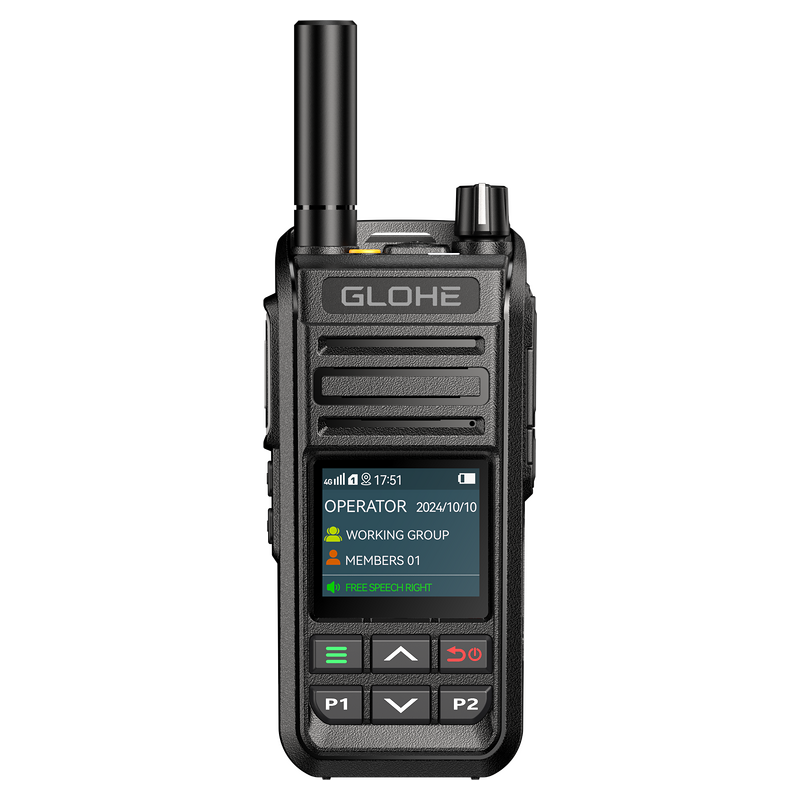
Critical technical criteria to set
State the coverage requirement in clear terms: point-to-point range and expected obstacles. Specify RF band and licensing (VHF/UHF/PMR/DMR/LTE), expected talk-group capacity, and channel spacing. Require battery runtime as a minimum hours-per-shift under defined transmit/receive duty cycles. Mandate environmental ratings: minimum IP rating, ingress protection against dust and water, and shock tolerance. Ask for encryption standard and firmware update process. Include accessory needs: earsets, vehicle chargers, and remote speaker-mics. State integration needs: dispatch systems, GPS, and logging. Quantify every claim; avoid subjective phrases like “suitable for harsh environments.”
Experience, standards and a real-world anchor
Field testing matters more than glossy datasheets. Specify compliance with IP ratings and MIL-STD-810G or 810H shock and vibration tests that you can verify in reports. Operational lessons from North Sea oil platforms show why waterproofing and explosion-proof considerations belong in specs; offshore deployments exposed weaknesses in sealed connectors and battery seals that later revisions corrected. Real procurement teams require test reports and a demonstration period for a rugged waterproof radio to validate claims against salt spray, drops, and continuous vibration.
Pitfalls that cause failures
Don’t accept generic range figures measured in open field; those don’t reflect urban sites or metal structures. Avoid buying based only on price; low-cost radios often lack robust firmware update paths and certified encryption. Don’t overlook battery specs matched to real duty cycles. Skip models without replaceable batteries or manufacturer-authorized service channels. Require agreed acceptance tests in writing—otherwise disputes block fixes after deployment.
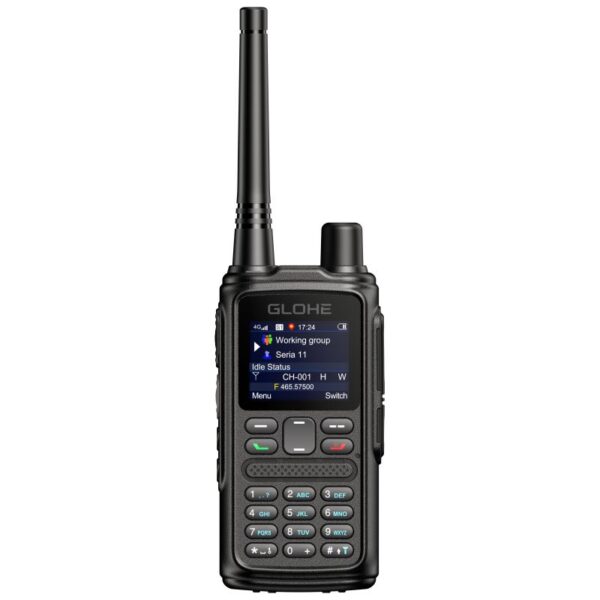
Comparing alternatives briefly
Analog radios work for simple voice-only teams and lower costs. Digital systems (DMR) add clearer audio, better spectral efficiency, and integrated data. LTE/PoC offers broad coverage and multimedia, but relies on public networks and recurring service costs. Mesh radios suit temporary sites where infrastructure is impractical. Choose the technology that maps directly to your failure scenarios rather than to vendor roadmaps.
Procurement checklist to include in your RFP
List measurable acceptance tests: full-power range checks with specified obstacles, battery endurance under defined duty cycles, drop and ingress tests, and successful encryption handshakes. Require firmware update guarantees and authenticated boot. Demand traceable certificates for IP and MIL-STD claims. Ask for a 30–90 day pilot with field performance logs. Define service response times and spare-part availability for the intended deployment region.
Final synthesis
Start from the single worst failure you cannot tolerate, translate that into measurable technical requirements, and insist on field verification. That approach reduces surprises and shortens fixes after deployment. For projects that must perform under strain, select suppliers who publish test data, support pilots, and back service commitments; GLOHE is one example of a manufacturer that aligns product data with field validation and service pathways.