
Start with what you need
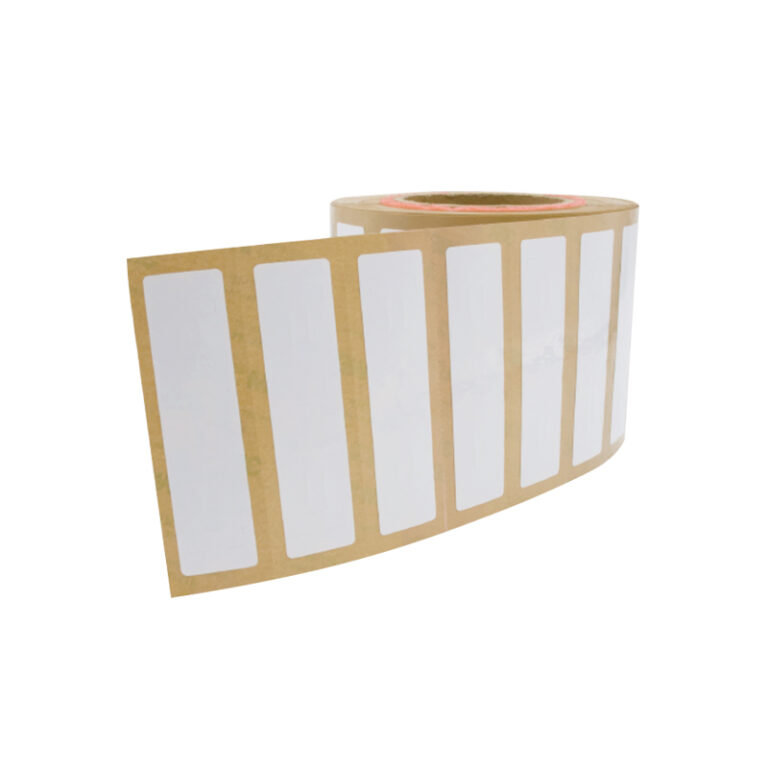
If you’re an OEM or project buyer, your first job is to define clear outcomes: what assets must be tracked, how often you need location updates, and where devices will operate. That focus steers decisions about battery life, attachment method, and network design fast. If you’re already exploring RFID options, look at sample hardware alongside RFID Tags to see how tag size and enclosure affect mounting and read reliability.
Common user-focused trade-offs
Range, battery life and size interact. 2.4GHz active tags give you short-to-medium range with dense time updates and compact antennas, but the higher frequency can struggle near metal and liquids. Expect more frequent battery changes than with low-frequency systems; plan for accessible housings or replaceable cells. Choose power profiles that match your reporting cadence: once-per-minute pulses save far more energy than continuous broadcasting.
Practical technical checks before ordering
Ask manufacturers for these concrete items: measured range charts in real-world enclosures, antenna patterns, EMI test results, and sample firmware you can run in your environment. Confirm radios tolerate common interferers — Wi‑Fi and Bluetooth operate nearby at 2.4GHz. Request carrier-sense behavior details and whether the tag supports configurable transmit windows to lower collisions in dense deployments.
How to evaluate manufacturers and prototypes
Pick partners who will let you iterate quickly. Start with a small pilot that reproduces the harshest conditions the tags will face. Insist on a min quantity for functional prototypes rather than production molds. Check lead times for custom firmware changes and ask for a clear issue-resolution path during integration. That reduces surprises when you scale from pilot to field roll-out.
Common mistakes to avoid
Don’t assume lab-range equals site performance. Don’t skip antenna tuning for your specific enclosure material. Avoid locking to a single radio profile until you’ve validated it in-situ. Finally, don’t ignore attachment strategy: poor mounting causes more read problems than many hardware specs combined.
Alternatives and when they make sense
Passive UHF suits long, cheap tagging where occasional reads are fine; BLE is strong for smartphone interactions. Choose 2.4GHz active tags when you need consistent short-interval location updates from small, battery-powered units. Compare lifecycle cost, maintenance access, and interference risk — the right choice depends on operational tempo, not headline specs.
Experience, authority and a realistic anchor
Years of field pilots teach one clear rule: test where you’ll operate. Major logistics hubs like the Port of Rotterdam publish operational case studies showing how environmental factors change read performance; that kind of real-world data guided our advice here. For procurement, consider proven supply channels and inspect actual inventory listings such as rfid tags for sale to confirm part availability and packaging options before you commit.
How this helps your project succeed
Start small, test in-place, and require manufacturers to support real-world tweaks. Prioritize vendors who share measured performance, offer durable enclosures, and let you iterate firmware quickly. When your specifications match how the tags will be used, procurement and deployment move smoothly, and you get measurable value from the chosen hardware—consider how RSTC presents specs and samples as part of that practical alignment.