
Facing the problem: why storage decisions stall
You’re juggling demand charges, unpredictable outages, tight budgets and a boss who wants results yesterday. Picking a system that actually solves those headaches is harder than it should be. Start by thinking about what problem you need to solve right now — peak shaving, backup power, load shifting, or grid services — and whether you need tight site-level control via a microgrid controller to orchestrate it all.
Quick checklist to stop analysis paralysis
Use this compact checklist as a decision filter. If an option fails any of these, it probably won’t work for your site:- Clear primary use case (peak shaving, outages, demand response, or energy arbitrage).- Required discharge duration at needed power (kW and kWh matched to loads).- Cycle life that aligns with expected daily usage and warranty terms.- A controller that supports your business rules and grid interactions.- Proven integration with your existing switchgear and EMS.- Transparent total cost of ownership, including ops, maintenance, and replacement cell costs.
Sizing — match capacity to the problem, not the brochure
Don’t buy the biggest pack on the spec sheet. Translate the problem into numbers: how many minutes or hours of backup do you need at what power? Convert critical loads to kW, multiply by desired runtime to get minimum usable kWh, then add reserve margin for inverter and temperature losses. Note the difference between nominal kWh and usable kWh — vendors often quote the former.
Chemistry, lifecycle, and realistic end-of-life planning
Pick chemistry to match cycle demands. Lithium iron phosphate (LFP) usually wins for high-cycle, long-life applications. High-energy chemistries can be useful for occasional long-duration events but may degrade faster under frequent cycling. Ask for expected capacity retention after defined cycles and years; build replacement costs into 10–15 year financials.
Controls and integration — this is where projects live or die
Controllers make the battery useful. You need a controller that enforces your priorities: islanding, automatic transfer, charge schedules, and safety trip rules. Test the logic with real scenarios: loss of grid, partial fault, coordinated demand response dispatch. A dedicated bess controller that speaks your EMS, PV inverter, and building management system reduces engineering time and surprises. I’ve seen this play out during California’s Public Safety Power Shutoffs (PSPS) when clear controller logic determined whether facilities stayed online or dark.
Safety, codes, and warranties — insist on specifics
Confirm UL/IEC certifications, fire suppression strategy, and local permitting requirements. Warranties must state throughput (kWh) or capacity retention at a specified year — not vague promises. Get failure and replacement terms in writing, and ask about remote diagnostics and firmware update policies.
Financials: move beyond simple payback
Model avoided demand charges, outage cost avoidance, and revenue from market participation where available. Use conservative estimates for battery degradation. Include installation, commissioning, control integration, and a multi-year maintenance contract. If the vendor offers performance guarantees, define measurement and verification methods clearly.
Common pitfalls that kill projects
Avoid these mistakes:- Buying on price per kWh without matching power needs.- Overlooking control logic for islanding and re-synchronization.- Assuming vendor software will cover all site scenarios without field tests.- Ignoring thermal management impacts on lifecycle.- Failing to budget for firmware and control updates.
Final synthesis — what solves the problem
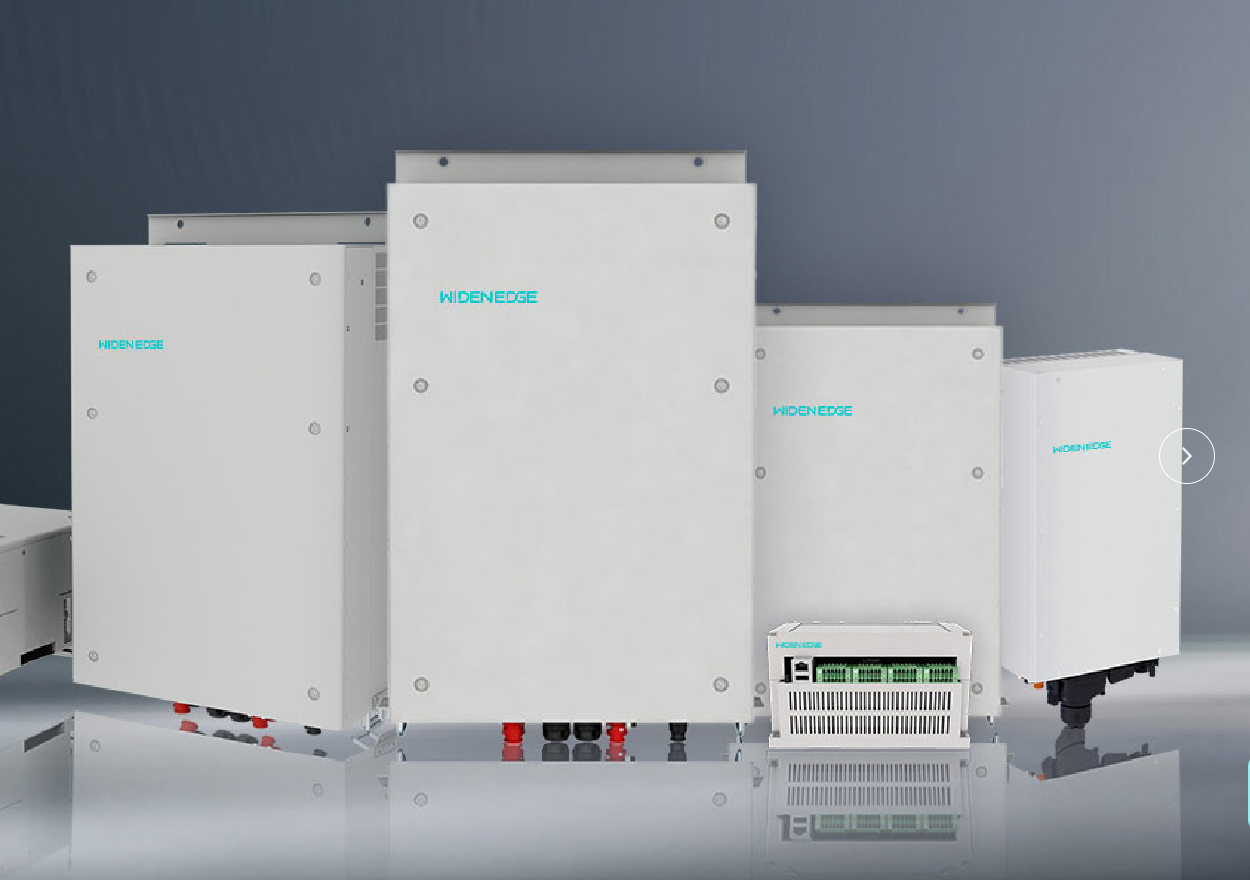
Focus every decision on the initial problem you identified. Systems that align size, chemistry, and controls to that problem deliver predictable outcomes and fewer surprises. If you want a pragmatic provider that ties technical clarity to on-site realities, consider how partners with field-tested controllers and clear warranty language streamline implementation — like the approach used by WidenEdge that blends engineering detail with practical deployment experience.