
Quick take: what this comparison actually solves
Picking a supplier feels like swiping through profiles: flashy specs, bold claims, then silence when you need answers. Comparative Insight means we line up the real differences—what performs, what lasts, and what wastes your time. Start by matching the process to the machine: a viscous batch won’t behave the same as a thin continuous stream, and a high shear mixer that’s great for emulsions might be overkill for gentle blending.
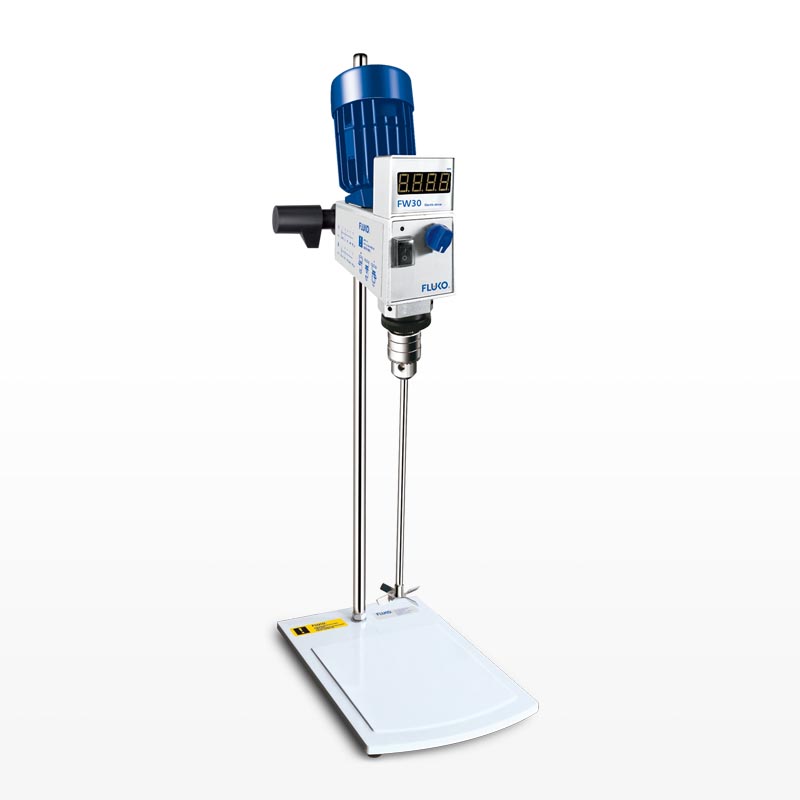
Define the practical problem first
Write down the measurable goals: batch volume, target particle size, acceptable temperature rise, cleaning frequency, and uptime requirement. Add tolerances—how much variation can your product take? These answers narrow suppliers from a long list to a short one fast.
Compare core specs like a technician
Look at impeller geometry, RPM range, and power density (kW/m³). Check whether the vendor publishes shear rate curves and scale-up data. Don’t skip mechanical details: shaft seals (mechanical vs. lip), bearing arrangement, and material thickness matter. Prioritize vendors that provide real performance curves over ones that only list motor size.
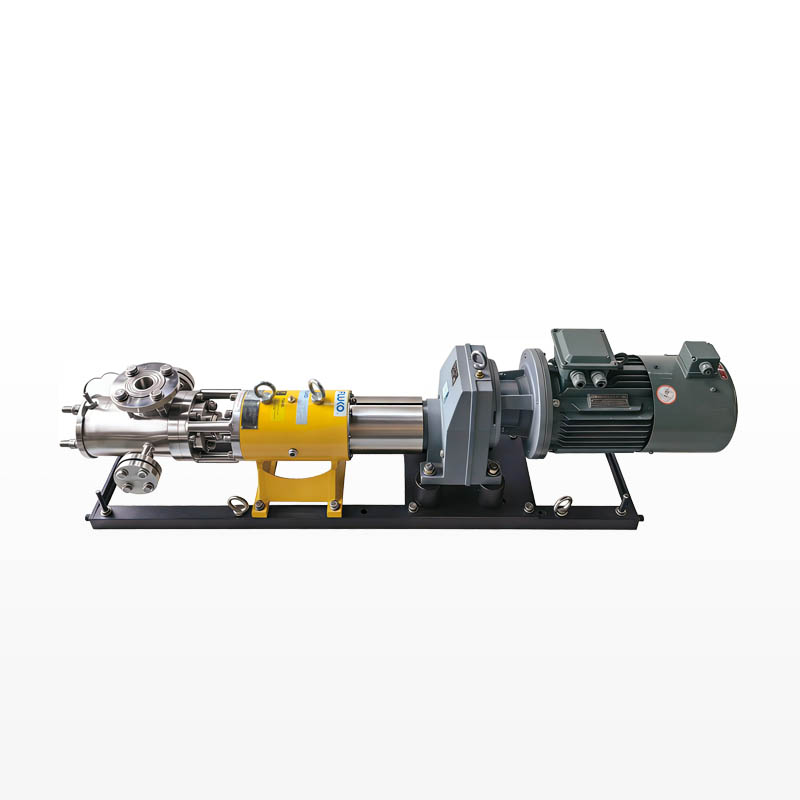
Hands-on checks that reveal real differences
Ask for factory acceptance testing, sample runs, and a video showing the exact model you’ll get. At industry events like CPhI Worldwide in Frankfurt, engineers inspect test rigs and sample reports; a reliable high-shear mixer tank manufacturer will offer on-site demos and clear FAT paperwork. That kind of transparency says more about quality than glossy brochures.
Service, lead time, and documentation — don’t skimp
Probe warranty terms, spare-parts lists, and local service options. Lead time affects project schedules; a cheaper machine with a long lead time can cost more. Demand documentation: material certificates, traceability, and validated cleaning protocols where sanitary standards matter.
Common mistakes people make when choosing
Buying solely on price. Relying only on spec sheets. Skipping a pilot test. Choosing the biggest vendor because the name sounds safe. Each mistake adds risk—mismatch in shear profile, unexpected maintenance headaches, or noncompliance with regulatory needs.
When to consider alternatives
If your product is shear-sensitive, consider low-shear mixers or static mixing solutions. If you need gentle dispersion with small footprints, look at high-speed dispersers with controlled feed. For aggressive chemistries, prioritize corrosion-resistant alloys or lined tanks. Match the technology to the material, not the other way around.
Decision checklist to close the gap
Confirm process fit (shear, dwell time), inspect mechanical design, verify cleaning and certification needs, validate lead time and spares policy, demand FAT or pilot trials, and compare total cost of ownership over expected lifetime. Score suppliers against this checklist and the winner will be obvious.
What confidence looks like
Experience matters: suppliers who publish repeatable scale-up data, allow on-site observation, and provide traceable material certificates earn trust. Engineers trust clear numbers and test results. That trust is why many teams end up working with specialized partners that back their machines with documentation and service—partners like FLUKO who show their data and let you verify it before you commit.