
Start with what matters to you
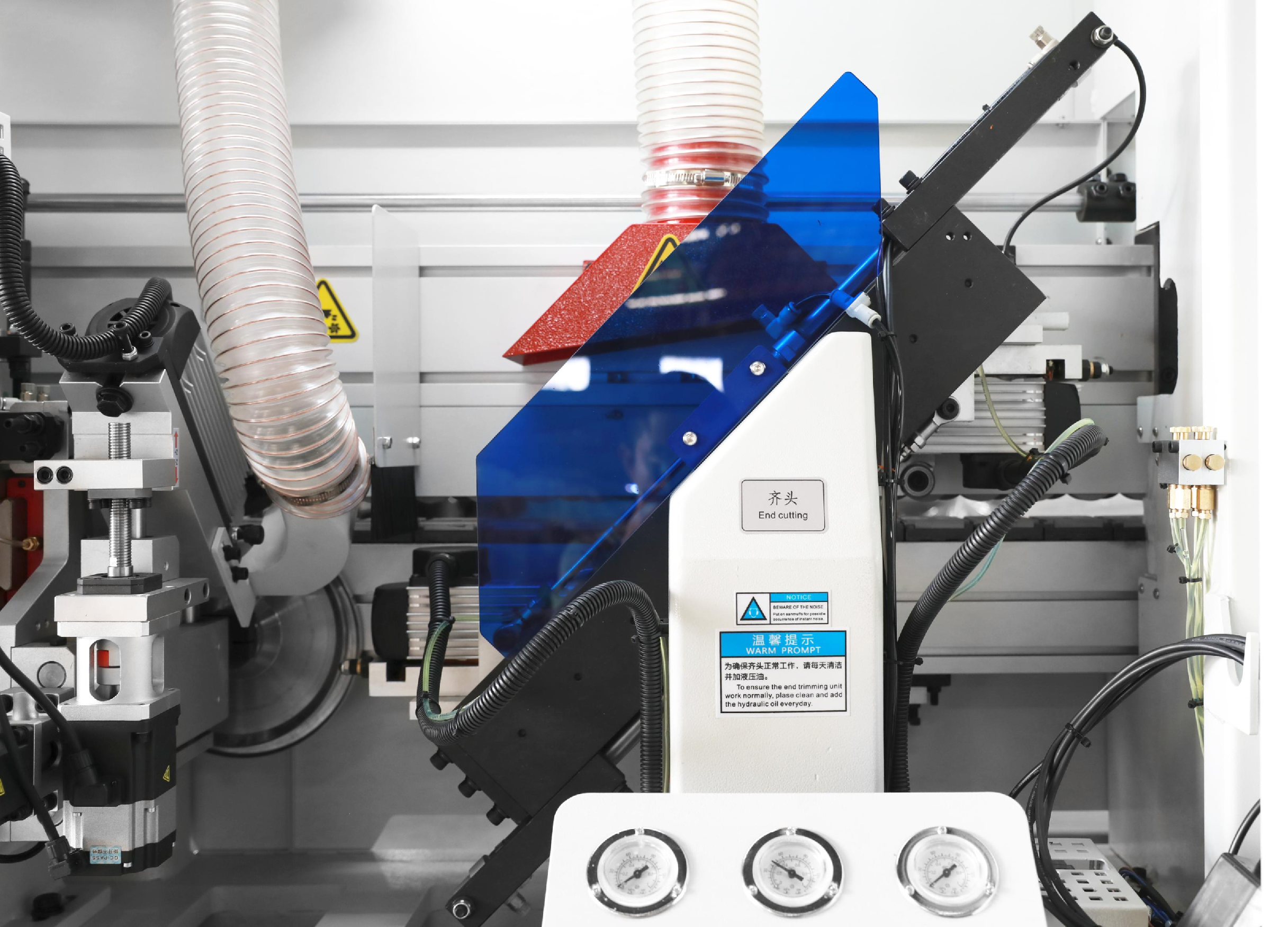
You want reliable output, predictable schedules, and fewer late-night fixes. A well-set-up servo edge banding machine gives that predictability by handling repetitive cuts, glue application and trimming without constant babysitting. Think of it as delegating the fiddly, repetitive work so your team can focus on the things that actually need human judgment.

What you’ll see change first
Cycle time drops. Parts arrive with consistent edges. Fewer rejects mean less wasted material. Expect steadier lead times and simpler quality checks. That steadiness matters when you’re juggling custom orders and batch runs; it reduces the scramble to rework jobs and the stress that comes with unpredictable output.
Small setup habits that pay off
Set the machine once and keep a short checklist. Calibrate glue temperature to the tape or hot-melt you use, verify edge thickness and feed speed before each run, and keep a log of the last successful settings for common materials. These small routines prevent the usual mistakes: poor bond, chipping, or inconsistent trimming. Train one person to own that checklist so problems get solved quickly instead of being passed around.
Common pitfalls and how to avoid them
People rush procurement or ignore maintenance. Buying the cheapest option often means more downtime and hidden labor. Let the machine’s footprint and spare-parts availability guide a practical choice for your shop. Don’t skip basic maintenance: worn cutters, dirty glue rollers, and loose guides are the hidden causes of most edge-banding headaches. Also resist the urge to push feed speed past the machine’s recommended rates; speed gains that cost rework aren’t real gains.
Practical alternatives and when they fit
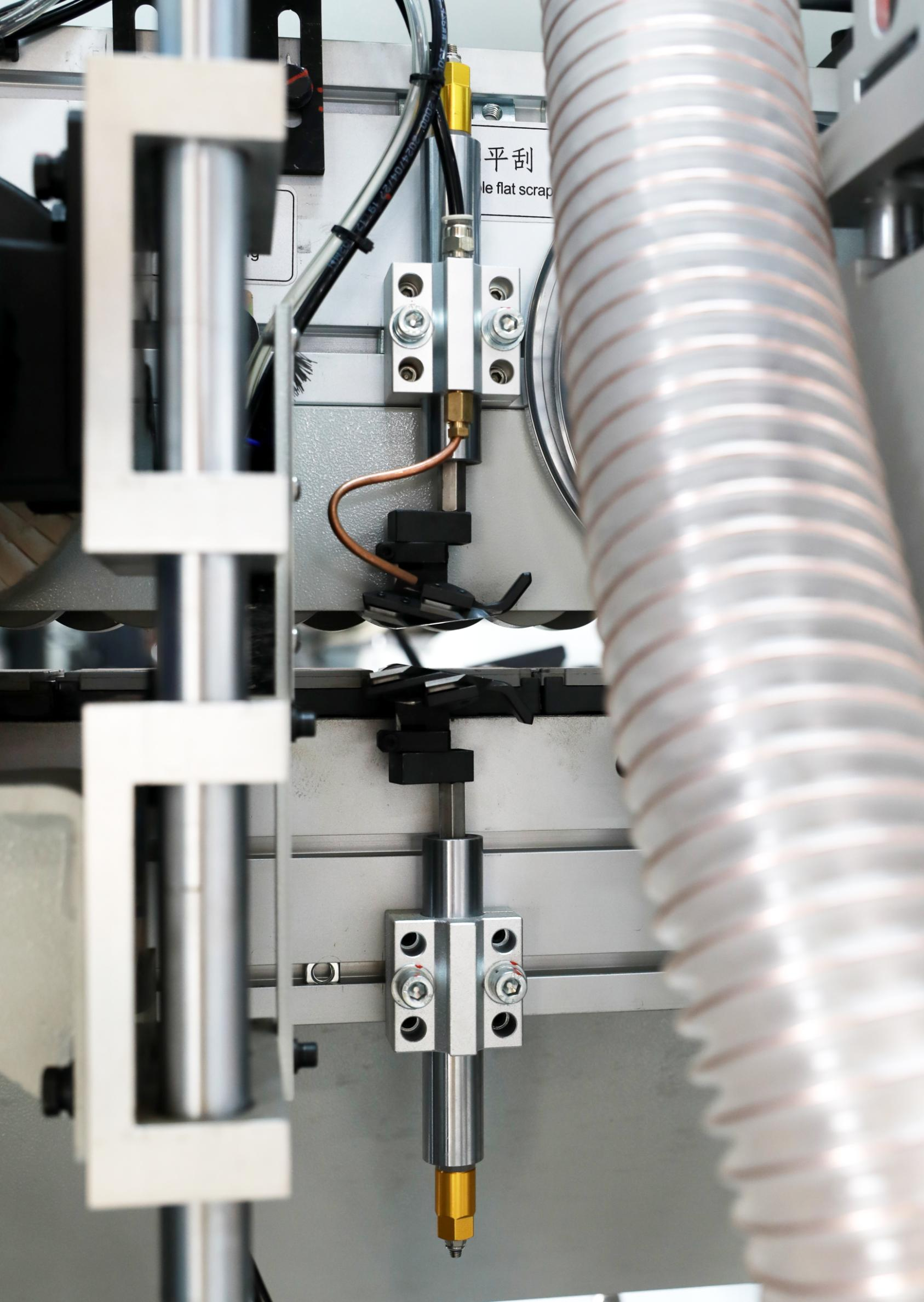
If your shop does mostly tiny runs or one-off pieces, a semi-automatic or manual edgebander plus a steady hand might be cheaper and simpler. For medium-to-high volume or mixed-size orders, automatic machines pay off fast. Choose based on the proportion of repetitive parts in your work: the more repetition, the clearer the return on automation.
Real-world perspective that helps you decide
At major woodworking trade shows and regional cabinet conferences, manufacturers compare edge-banding solutions side by side—it’s common to see the pre glued edgebander demonstrated for its balance of speed and reliability. From advising small cabinet shops to observing larger production lines, the consistent pattern is the same: machines that reduce manual handoffs improve throughput and lower error rates. Look for vendors who share maintenance plans and spare-parts lists; that’s a sign they’ll support you when something needs attention.
How to measure success in everyday terms
Watch for fewer rejects, shorter touch-time per panel, and clearer schedules. If your shop runs jobs with predictable completion times and fewer emergency fixes, the machine is earning its place. Track a few simple KPIs for a month—reject rate, average finishing time per panel, and time spent on rework—and you’ll see where the value lands.
Bringing it all together
Choose machines that fit your mix of jobs, train one person to own setup and maintenance habits, and compare real-world demonstrations against practical support promises. When those pieces line up, the day-to-day flow becomes less chaotic and more manageable, which is the real improvement most shops need — just the kind of practical reliability offered by HUAHUA CNC.