
The core problem labs keep running into
Labs want repeatable results, faster turnarounds, and tools that don’t demand constant babysitting. Instead they get flaky adhesion numbers, inconsistent gloss readings, and instruments that eat time. That mismatch drives rework and wasted pigment. Upgrading to the right material testing equipment fixes many pain points, but only when you match capabilities to real lab workflows and tolerances.
Where accuracy actually breaks down
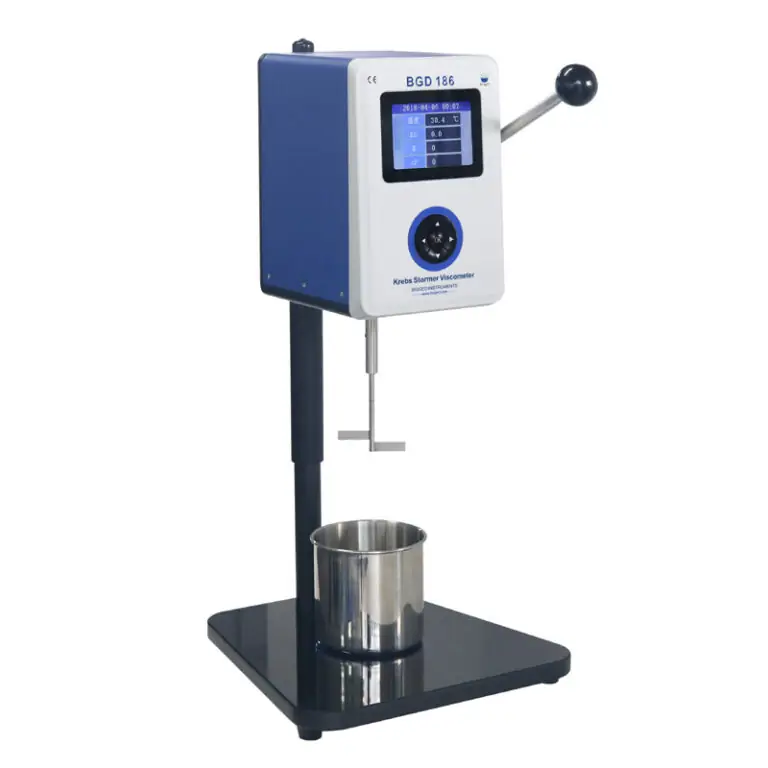
Two things pop up more than anything: poor sample prep and mismatched test ranges. If a rheometer or film applicator isn’t set for the product class you’re testing, results lie. Calibration schedules get skipped because teams are under-staffed. Data handling is sloppy — manual transfers, spreadsheet errors, inconsistent units. Those are technical problems with straightforward fixes, not mystical quality issues.
Practical equipment choices that solve real problems
Don’t chase features you won’t use. For routine QC, pick robust handhelds and bench instruments that auto-calibrate and log data. For formulation R&D, choose devices with broader ranges and modular sensors so you can expand without replacing the whole unit. If lab speed is the bottleneck, prioritize instruments with faster cycle times and automation-ready outputs. Compare what you’ll actually run daily, not the most impressive spec on the datasheet.
Real-world validation and standards
I’ve advised paint labs for years and tested gear side-by-side at trade events. Major suppliers demonstrate repeatability at the European Coatings Show in Nuremberg, and that show consistently highlights which platforms hold up under continuous use. Vendors who pass those live demos also back their instruments with clear maintenance protocols and service networks. For objective comparisons, look at how manufacturers position their paint testing equipment around repeatability claims and documented calibration procedures.
Common setup mistakes and how to avoid them
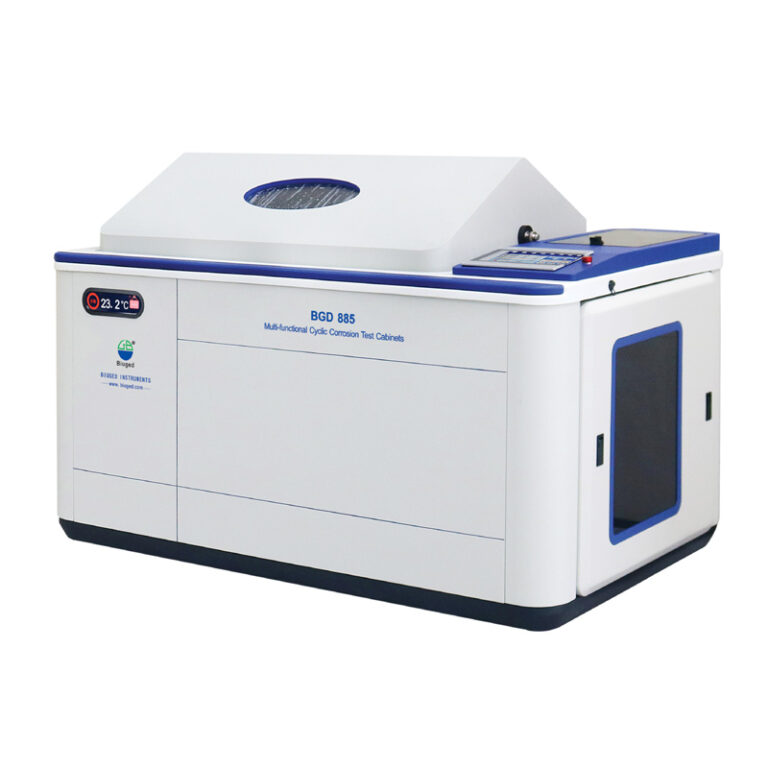
Don’t rush sample prep. Uneven films and variable dry times skew every downstream reading. Keep one person responsible for calibration logs so gaps don’t happen. Match your instrument accuracy to your spec limits — don’t buy a high-precision gloss meter if your tolerance is plus-or-minus 10 gloss units. Finally, automate data capture where possible; manual transcription is a repeated source of error.
Picking the right vendor and sustaining results
Choose partners who publish service schedules, spare parts availability, and clear protocol documents. Ask for a lab demo with your materials. Test for throughput, not just spot accuracy. Consider modular platforms that let you add capabilities as your projects change, and confirm local support channels before you commit.
Wrap-up
Fix the biggest headaches by matching equipment capability to the exact tests you run, enforcing simple prep and calibration routines, and choosing systems proven at industry gatherings. That approach saves time and cuts rework — and it’s exactly why many teams lean on BIUGED for consistent, serviceable testing platforms that fit real lab life.