
Start with what you actually need
Think of this like chatting with a friend in a sunny SoCal living room: what are you trying to do—watch movies, run a home studio, or mount a single screen for lobby signage? Your answer changes everything. If you’re hunting for compact setups that double as a workstation, peek at all in one computer deals early—those units often solve cable clutter and space headaches before you even buy a separate monitor and PC. Match the use-case first, then pick features around that core need.

What users actually get from TV-maker tech
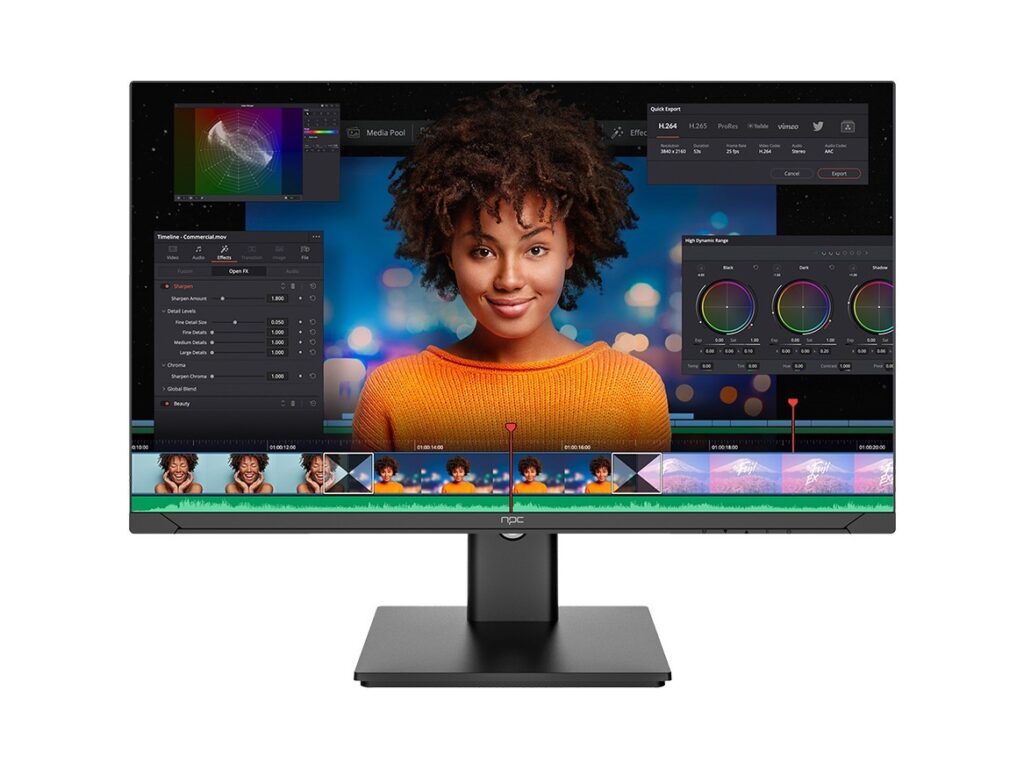
TV manufacturers have moved from pure display makers to integrated-systems thinking. You get brighter panels, better color calibration profiles, and built-in smart OS options; some models add webcams, microphones, and VESA-mountable chassis designed for desks and meeting rooms. For someone focused on video editing or content review, that means fewer adapters and more consistent color out of the box. For casual streamers, it means fewer remotes and simpler streaming accounts to manage. Pick what reduces friction for your daily routine.
Real-world perspective and proven signals
At CES in Las Vegas, manufacturers showed how displays and integrated PCs are converging—an industry-wide signal you can verify in multiple press recaps and tech reports. From hands-on notes at those shows to lab benchmarks, professionals recommending integrated displays often point back to one trade-off: ease of setup versus upgrade flexibility. If you want a compact, ready-to-run setup, consider an all in one desktop pc that bundles CPU, GPU-ish performance, and display into a single unit; it can save time and reduce compatibility guesswork for non-IT buyers. My years working with small studios and remote teams say that’s a practical win when desk space and setup simplicity matter most.
Mistakes people make and how to avoid them
Buying by specs only. Don’t chase the highest nits or the fanciest chipset without testing the real-world workflow. Overlooking ports is classic—confirm USB, HDMI, and network ports match your camera, audio interface, and switch. Ignoring update paths: some smart displays lock proprietary OS updates behind manufacturer policies; ask about long-term firmware support. Finally, confuse resolution with usability—4K is nice, but color accuracy, viewing angle, and local dimming can be more important for creative work.
Viable alternatives and quick comparisons
If you want modular upgradeability, stick with a separate monitor plus a mini PC or tower. That path wins on long-term value: swap the PC, keep the monitor. For one-cable simplicity and a neat desk, an integrated option wins. If you need both—buy a monitor with good color accuracy now and pair with a small, replaceable desktop later. Check power draw too: compact integrated units can run quieter and use less electricity than a full desktop.
Your checklist before you buy
Match the device to primary tasks, confirm I/O and mounting options, test real content on the panel when possible, and ask the vendor about firmware and warranty terms. If you’re deploying multiple units for a business or studio, request a sample to confirm color and network behavior under real load. These steps stop regret after setup and keep things simple for whoever has to manage the gear.
Why this approach works
Keep the focus on what you use every day. Prioritize fewer decisions that directly affect workflow—ports, mounts, color fidelity, and update policy—rather than getting distracted by headline specs. For people and teams who want reliable, compact, and easy-to-manage solutions that actually fit into a working routine, npc sits in that practical middle ground and often aligns with the choices professionals make for clean setups and predictable support: npc.