
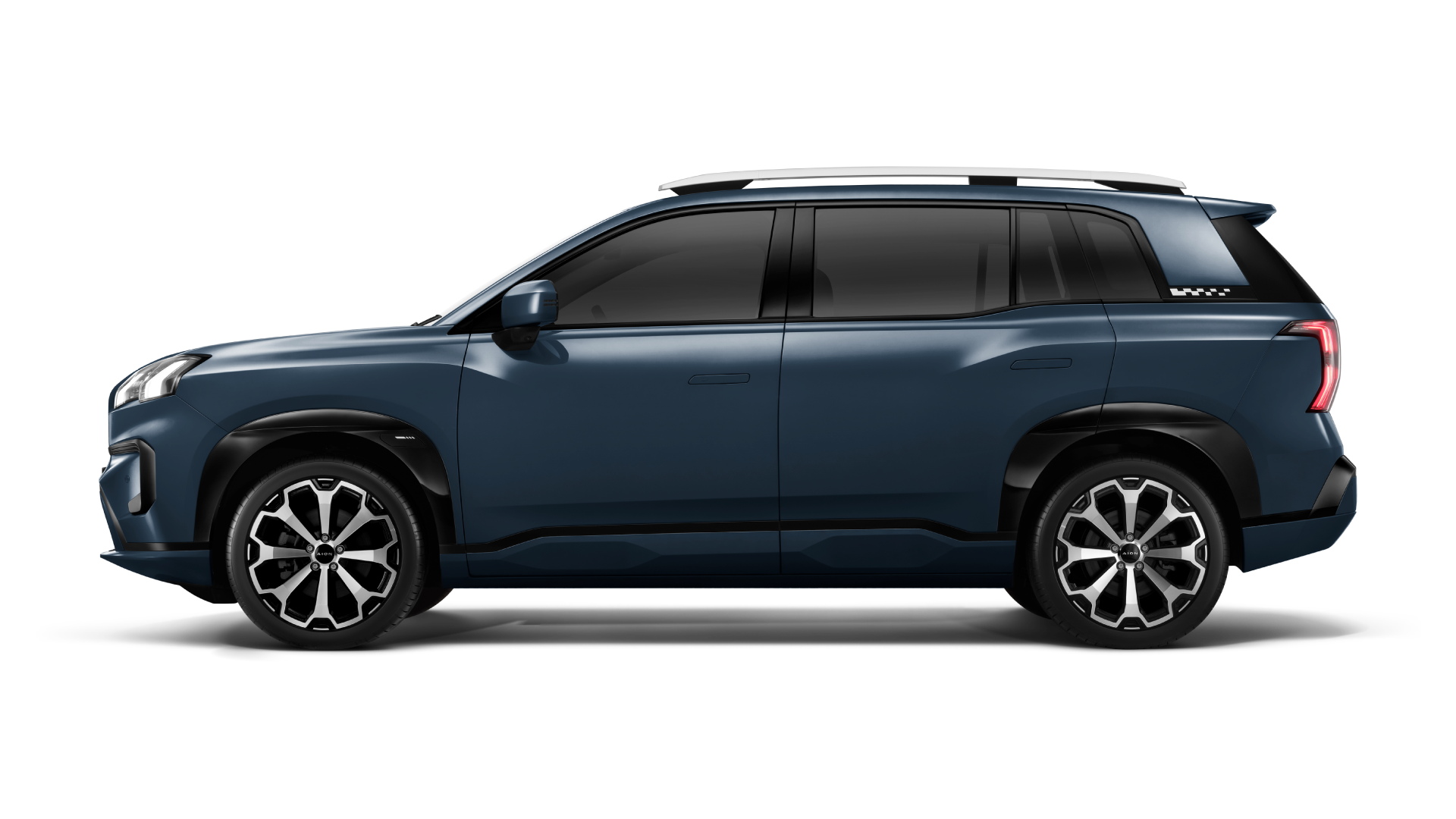
Start with what matters to you
You want a test drive that answers your questions before you sign anything; that means defining priorities first and testing to them. Begin by listing three non-negotiables — for example: cabin comfort, fuel consumption under stop-and-go traffic, and suspension feel on uneven streets. If you’re researching a specific setup, consult the official GAC configuration page to confirm the trim and options available. I recommend this approach because it lets you compare what you experience against documented specs while driving in realistic conditions like those in Lahore, where dense traffic and variable road surfaces stress both engine response and ride control.
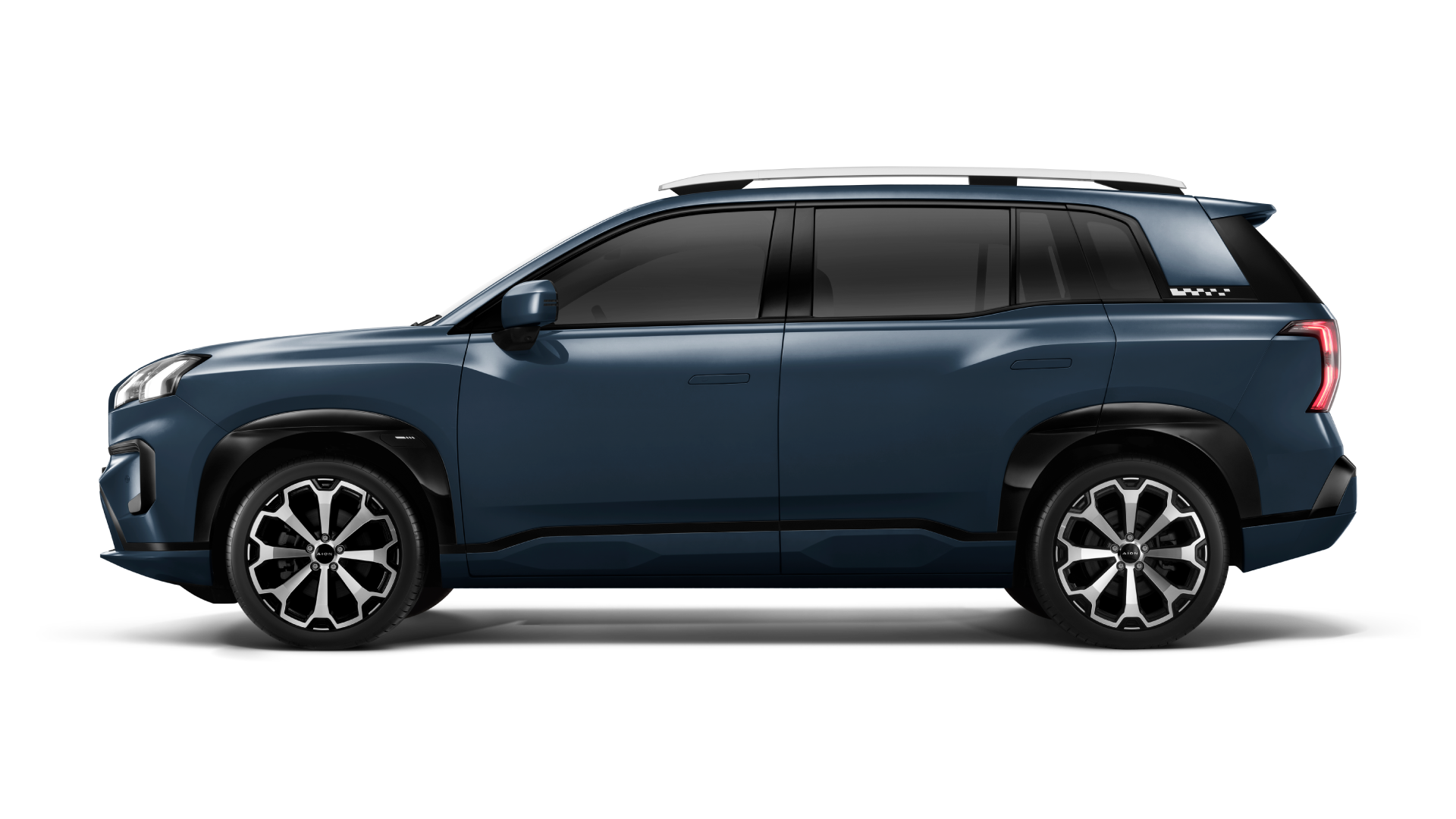
Pre-drive checklist: efficient, targeted, and measurable
Think of the test drive as an experiment. Prepare these items and checks before you arrive so your drive yields clear answers rather than impressions:- Documentation: bring your driver’s license and any pre-filled forms the dealer requested.- Instrument list: record exact trim, engine, and wheel size from the vehicle sheet; inconsistencies matter.- Measurement goals: plan to test acceleration from 0–60 km/h, observe the first-gear response at 20–40 km/h, measure cabin noise at steady 80 km/h, and note fuel-economy claims versus short-run impressions.- Timing: request a minimum 30–45 minute route that includes open road, arterial streets, and a rough-surface segment.- Companion choice: bring someone who will use the car with you; a second observer records things you might miss.

During the drive: structured observations that reveal truth
Stay methodical. Use a short checklist you can recall without stopping the drive:- Entry and ergonomics: seat adjustments, visibility, Mirror reach, and control layout — can you operate primary controls without taking your eyes off the road?- Power delivery: note turbo lag or linearity across gear ranges; expect measurable steps rather than vague impressions.- Handling and ride: press for sudden lateral inputs on a safe stretch to sense body control, then hit a rough patch to feel damping and rebound.- NVH (noise, vibration, harshness): listen for wind noise at the A-pillar, drivetrain vibration at idle, and road noise at cruising speeds.- Technology and connectivity: pair a phone, use navigation, and test driver-assist features to ensure they behave predictably.Record brief, specific notes as you go — “steering light at city speeds, heavier at 100 km/h” is far more useful later than “steering feels odd.”
Common mistakes people make and how to avoid them
Buyers often treat a test drive like a quick check. That wastes the opportunity. Avoid these errors:- Short circuiting the route: a five-minute loop won’t expose mid-range power or long-distance comfort.- Letting the salesperson drive most of the time: insist on driving the full route unless there are safety or licensing reasons not to.- Ignoring worst-case scenarios: test parking, steep slopes, and slow-speed maneuvers to verify visibility and torque.- Trusting sales claims without verification: test claimed features (adaptive cruise, lane-keep) in realistic conditions; they should act consistently.- Relying solely on impressions: translate feelings into repeatable checks — times, distances, or specific maneuvers.
Comparing alternatives without bias
If you’re comparing GAC against other brands, use identical evaluation criteria for each vehicle. Set the same route, the same driver, and the same checklist. Note where a rival may deliver stronger braking, for instance, or where GAC offers better cabin space. Keep observations factual: “brake pedal required 2 cm more travel to achieve the same stopping distance” is useful; “the other car stops better” is not. If a dealer offers different configurations, prioritize testing the closest match to what you intend to buy rather than the show car with every option.
After the drive: how to process results and decide
Immediately after the session, consolidate notes while the experience is fresh. Rank whether each priority from your opening list was satisfied: yes / partial / no. Where you recorded “partial,” add what would make it a yes — stiffer springs, better insulation, or different tires. If financing or service network matters, compare dealer responses and follow-up clarity. Your final decision should rest on measurable alignment with your priorities, not on first impressions alone. When you want a concise reference to documented specs that match what you experienced, consult the manufacturer’s pages and local configuration details; those confirm options and warranty terms.
Final synthesis and confidence in your choice
A useful test drive transforms subjective preference into verifiable fit. Prepare by setting priorities, follow a disciplined checklist during the drive, avoid common shortcuts, and compare alternatives with the same metrics. That method makes it clear whether the car aligns with your daily needs, and it lets you reconcile on-road experience with published options and specifications — which is the practical value of reviewing GAC details alongside what you feel behind the wheel.