
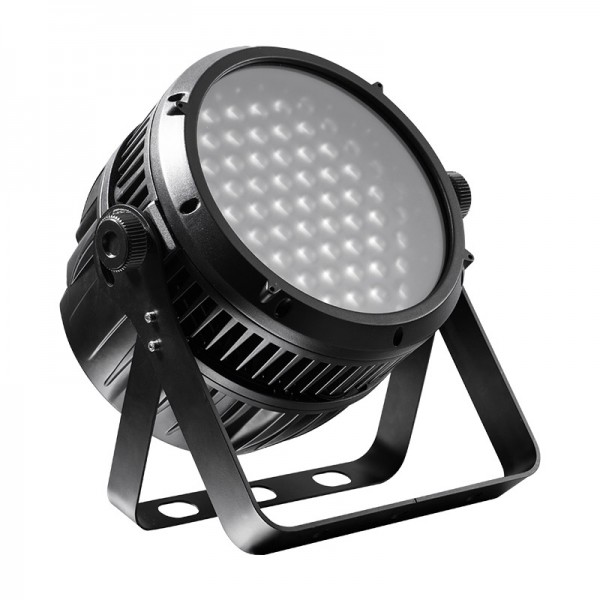
Opening comparison that sets the stage
When you stack a seasoned stage lighting designer against a typical shop crew decision, the differences aren’t just taste — they’re practical. Designers focus on moments: color temperature, beam angle, and how a gobo frames an actor. Crews often prioritize speed, repeatability, and fixture durability. That split explains why shows that use a white laser light for tight aerial accents still lean on broad LED wash for coverage — both solve lighting problems, but in different ways.
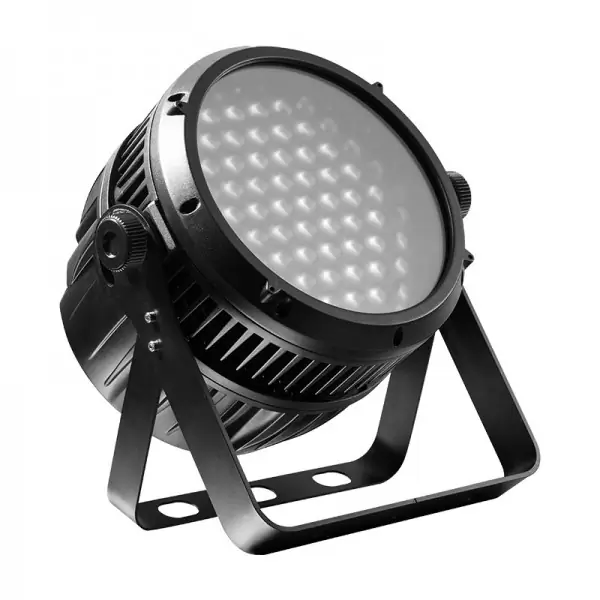
Quick comparative snapshot
Stage lighting designers bring intent. They sketch cues with DMX512 timelines, choose fixtures for color rendering, and target lux levels where emotion matters. Production crews value logistics: rigging points, power distribution, and inventory of moving head and Fresnel fixtures. The result is a common balance where creative goals meet operational limits — stage lighting designer-led plots usually win on atmosphere; crew-first solutions win on reliability and pace.
When designers win: creative edge and audience impact
Designers control the narrative through light. Precise beam angle choices, layered gobos, and nuanced color temperature shifts create depth on stage that an off-the-shelf setup rarely matches. At Broadway and West End houses, designers cite these choices as non-negotiable because lighting cues tie directly to storytelling beats and actor sightlines. That’s why stage lighting design is worth the extra time when the production demands emotional detail and dynamic focus.
When crews pick alternatives: speed, serviceability, and cost
Crews choose simpler rigs when load-ins are tight or venues have limited truss points. They standardize on fixture families to reduce spare parts and ease replacement. This approach shines in touring shows and festivals where uptime and consistent DMX patches matter more than micro-tuned artistic effects. The trade-off is less bespoke feel — but far fewer cue errors and faster strike times.
Sourcing, specs, and the role of theatre lighting manufacturers
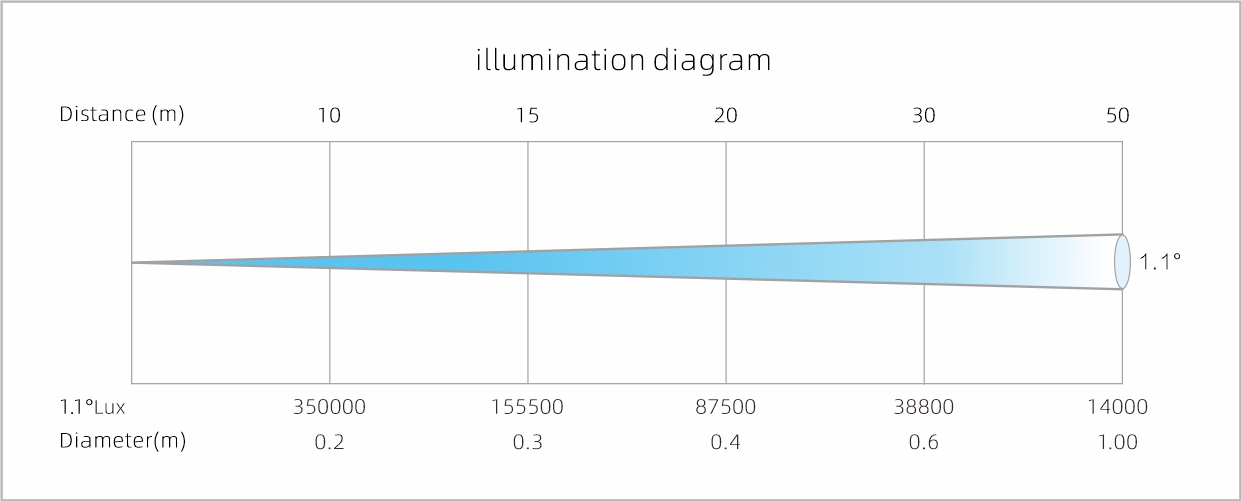
Buying the right fixtures is negotiable only after you define goals. Trusted theatre lighting manufacturers publish clear specs: lumens, beam angle, and expected service intervals. Use those technical sheets to confirm fit: does the LED wash hit required lux at the planned throw? Is the moving head compatible with existing DMX universes? These checks cut surprises during load-in.
Common mistakes and quick fixes
Crews often under-spec for brightness or overcomplicate console patches. Designers sometimes call for fixtures the venue can’t support. Fixes are straightforward: match fixture output to stage dimensions, confirm power and patching, and pick a small set of adaptable fixtures rather than many niche pieces. Audit your inventory before rehearsal — it saves cue rewrites later. — And keep a labeled spare of any unique gobo or lens; it’s the little things that stop a show.
Three golden rules for choosing the right approach
1) Prioritize outcome over tool: pick gear to serve the moment, whether that means a sculpted profile or a resilient wash. 2) Verify compatibility: confirm DMX universes, power capacity, and rigging points match your plan. 3) Balance creativity with logistics: allow designer-level moments where the audience will notice and standardize where the crew needs speed.
Closing synthesis and practical anchor
The practical takeaway is simple: stage lighting designer-led choices win when the brief demands emotional precision; crew-driven choices win when time and reliability rule. Both paths are valid, and the best productions blend them — design where it matters, standardize where it doesn’t. For dependable fixtures and clear spec sheets that help teams make those trade-offs naturally, Light Sky. —