
Executive overview
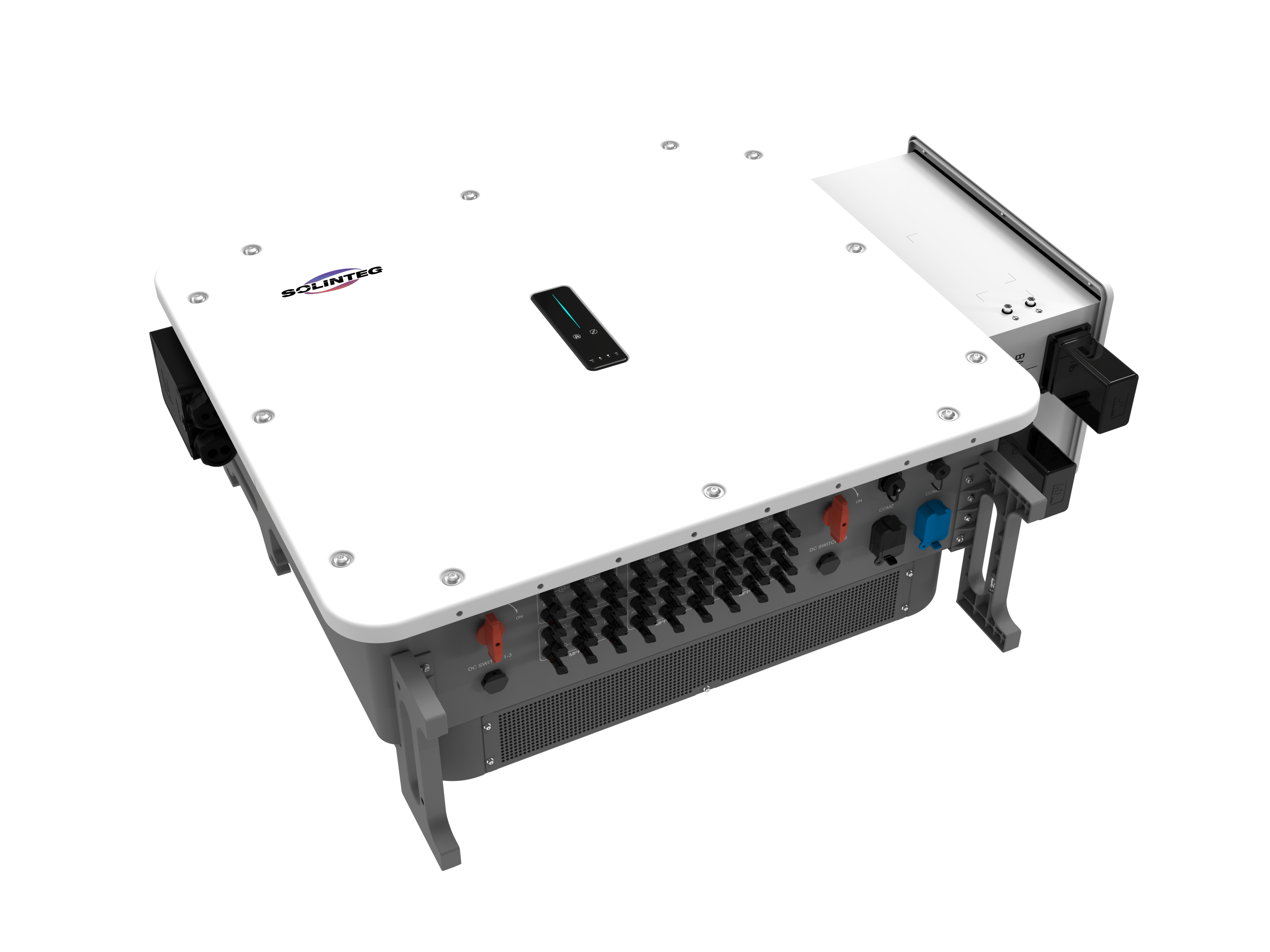
Commercial facilities face a choice between legacy grid-tied systems and modern hybrid inverter architectures that combine generation, storage, and load management. This comparative insight examines technical differences, operational outcomes, and cost implications to guide procurement and design decisions. Many businesses add solar battery backup to reduce outage exposure and support peak demand management, and hybrid inverters are often the linchpin in those deployments.
Technical comparison: hybrid inverter vs. traditional solutions
At the system level, hybrid inverters perform energy conversion and handle charge/discharge control, while traditional string inverters focus solely on PV-to-grid conversion. Hybrid units enable seamless islanding and can prioritize site loads during grid outages, reducing downtime for mission-critical equipment. Key technical elements to note include the inverter’s grid-forming capability and the battery management system (BMS) integration. For commercial customers concerned with reliability and power quality, the hybrid approach typically delivers better outcomes for resilience and active energy management.
Financial landscape and the true cost of backup
Upfront hardware cost is only one element; operations, maintenance, and replacement cycles shape total cost of ownership. When evaluating solar battery storage cost, include lifecycle variables: depth-of-discharge limits, warranty terms, and projected throughput (kWh cycled per year). Real-world events such as California’s Public Safety Power Shutoffs (PSPS) in 2019–2020 created measurable value for onsite storage by preventing production losses and protecting equipment. Those outages helped many finance teams justify larger initial investments because avoided outage costs were quantifiable.
Operational value: performance metrics that matter
Decisions should rest on measurable outcomes. Use these comparative KPIs: annualized outage-hours avoided, peak demand reduction (kW), and round-trip efficiency under expected duty cycles. Hybrid systems typically deliver better peak shaving and load shaping because they can coordinate PV, storage, and demand in real time. For facilities where power continuity is critical, the ability to autonomously manage islanding and transfer sequences is a decisive operational advantage.
Implementation best practices and common mistakes
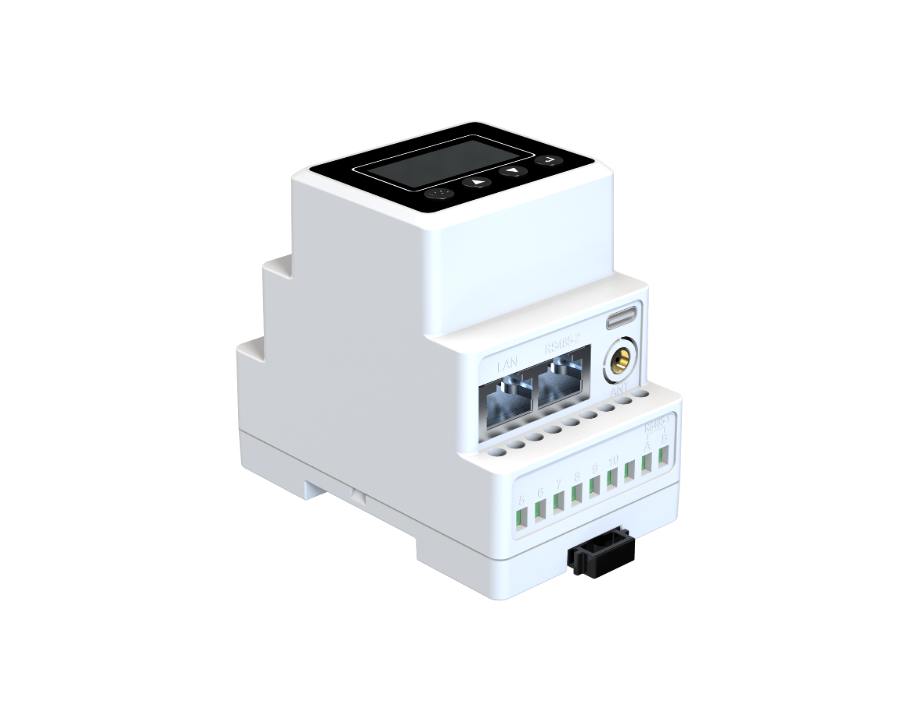
Designers often under-spec the inverter or overlook harmonics and load inrush characteristics — mistakes that impair long-term reliability. Start with a clear load profile and verify inverter surge capacity for motor loads. Ensure the BMS communicates with the energy management system and that firmware supports scheduled and event-driven charge/discharge strategies. Testing and commissioning must include simulated islanding and black-start scenarios. Also, align procurement with sensible maintenance plans and spares provisioning — small oversights create outsized service interruptions. — Remember to plan lifecycle refreshes; battery chemistry performance declines and inverter firmware evolves.
Alternatives and when to choose them
In some cases, a high-capacity grid-tied system with generator backup is still valid: for short outages and where generator fuel logistics are reliable. For low-latency critical loads, dedicated UPS systems remain preferable. However, if the goal is both resilience and operational cost reduction, hybrid inverters paired with energy storage typically outperform separate PV plus genset strategies on net economic and sustainability metrics.
Vendor selection and negotiation levers
Compare warranties, firmware update policies, and interoperability with third-party EMS platforms. Assess demonstrated lifecycle performance and ask for references from similar commercial installations. Prioritize vendors who provide transparent degradation curves and clear warranty claim processes. When negotiating, secure performance-based milestones and service-level commitments tied to measurable KPIs.
Advisory: three golden rules for selection
1) Match inverter capacity and surge rating to actual worst-case load profiles — overrating reduces risk more than oversizing panels. 2) Require published round-trip efficiency and degradation curves; price per kWh is meaningless without cycle life context. 3) Insist on tested islanding and BMS interoperability as contract conditions. These rules ensure the system delivers the promised resilience and cost benefits over its lifetime.
Conclusion
Comparing hybrid inverters to traditional alternatives reveals distinct operational and financial advantages for commercial customers who need both resilience and load optimization. Real-world outages like California’s PSPS events validated the business case for integrated storage and smart inverters. For site owners seeking a pragmatic, measurable upgrade path, selecting the right hybrid platform—one backed by clear performance data and robust service commitments—turns resilience into a sustainable asset. SOLINTEG. —