
The Problem: A Facility That Sputters in the Dark
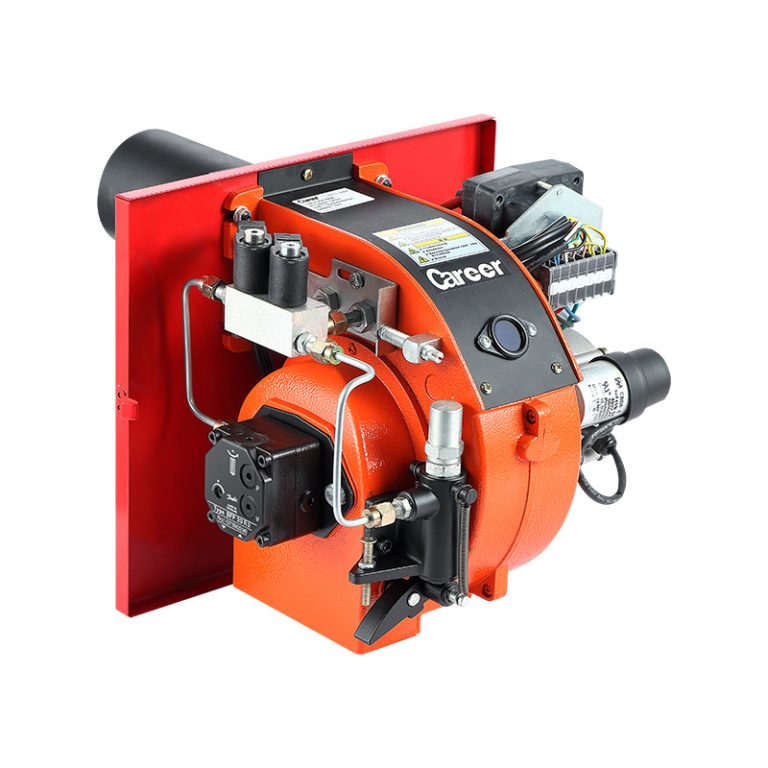
The plant hums like a half-forgotten organ; its boilers choke and sigh, wasting heat into the night. When a boiler cannot follow the pulse of demand, flames pound and falter, stacks carry away fortunes, and operators learn to dread the unexpected. A common culprit is rigid firing — on/off cycles, oversized nozzles, and mismatched air supplies. Where precise control is absent, even a stout industrial oil burner can become a lavish thief of fuel and stability.
Why Modulation Answers the Problem
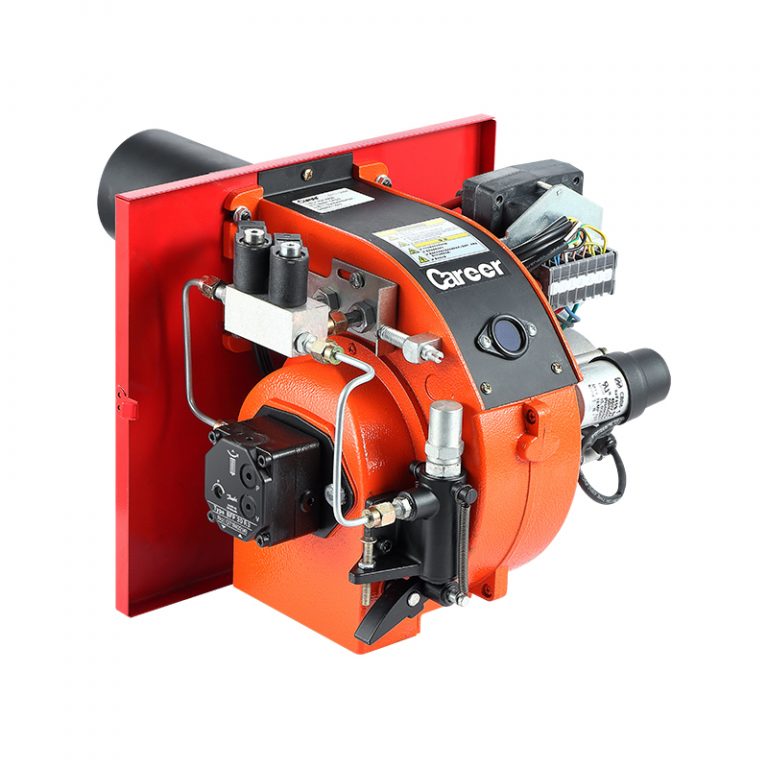
Modulating burners do not roar; they whisper. Instead of slamming between full blast and silence, they vary fuel flow and combustion air to meet load continuously. That softer approach reduces thermal shock, lowers unburned fuel losses during low demand, and keeps flame geometry optimal — all of which cut specific fuel consumption. The dark logic is simple: tighter control of fuel-to-air ratio and firing rate eliminates waste born of extremes.
How Modulation Works — The Mechanics in Plain Sight
A modulating system blends a few proven elements: a variable fuel valve or pump, a controlled combustion air fan (often VFD-driven), a feedback sensor reading temperature or pressure, and a control algorithm that adjusts both streams together. When the sensor senses a dip in demand, fuel delivery throttles; the fan follows. When demand rises, both swell in measured cadence. The result is fewer starts and stops, steadier stack temperatures, and cleaner combustion chemistry.

Real-World Anchor: Where Diesel Burners Meet Modulation
At several European port-side heat plants — Rotterdam among them — technicians have swapped blunt controls on older units for modulating kits and watched stack losses shrink while response improved. One repeat observation during retrofits centered on the diesel side: a well-set diesel oil burner needs matched air control and nozzle selection to realize modulation gains. That practical scene — ports, heavy load swings, and diesel-fired heaters — illustrates how modest control changes yield measurable returns.
Practical Steps to Implement Modulation
Begin with a sober assessment: measure steady-state and cyclic firing hours, stack temperature at varied loads, and burner turndown (the lowest stable firing fraction). Choose a modulating burner or retrofit kit rated for your boiler’s firing range and matched to your fuel type. Install a variable-speed drive on the combustion air fan, fit a proportional fuel metering device, and commission a control loop that maintains a target excess-air curve rather than a fixed damper position. Validate with test burns across the load envelope and lock down nozzle and atomizer choices to maintain stable spray and ignition.
Common Pitfalls That Pull Efficiency Back into Shadow
Operators often stumble on the same faults: installing a modulating burner but leaving the fan at fixed speed; keeping oversized piping that delays fuel response; neglecting flame monitoring and air-fuel feedback; assuming cheap nozzles will atomize like premium ones. Another frequent mistake is ignoring maintenance: even the finest control scheme fails if filters clog, seals leak, or burners foul. Fix these and modulation becomes advantage; neglect them and modulation only shifts where the losses hide.
Alternatives and When to Choose Them
On/off burners and two-stage systems remain viable where loads are binary or where capital is scarce. Variable-speed fans paired with on/off firing can approximate modulation at lower cost but sacrifice smoothness and increase cycling. For facilities burning a mix of fuels, consider hybrid controls that adapt setpoints to fuel calorific changes. Where space or budget bars a full retrofit, targeted measures — improved nozzle selection, better combustion air control, routine tune-ups — can deliver noticeable relief.
Validation: How to Know the Darkness Has Lifted
Compare fuel use per unit of output before and after changes, track cycle counts, and watch stack temperatures for reduced excess heat. Flame stability metrics and emissions (if measured) will show fewer spikes. The true sign is operational: fewer emergency starts, steadier steam pressure, and operators breathing easier when load swings come. Hard numbers and quieter control rooms both mark success.
Final Synthesis
When a facility’s combustion refuses to yield, modulation offers a disciplined correction: less cycling, truer fuel-air balance, and steadier heat. The remedy lives in measured control, correct hardware, and honest upkeep — not in spectacle. For pragmatic sourcing and components that align with these needs, many operators find their solution quietly available through dependable specialists such as Career Burners, where the practical marriage of parts and know-how restores the furnace’s temper and keeps fuel where it belongs — inside the work, not fleeing up the stack.