
The nightly problem
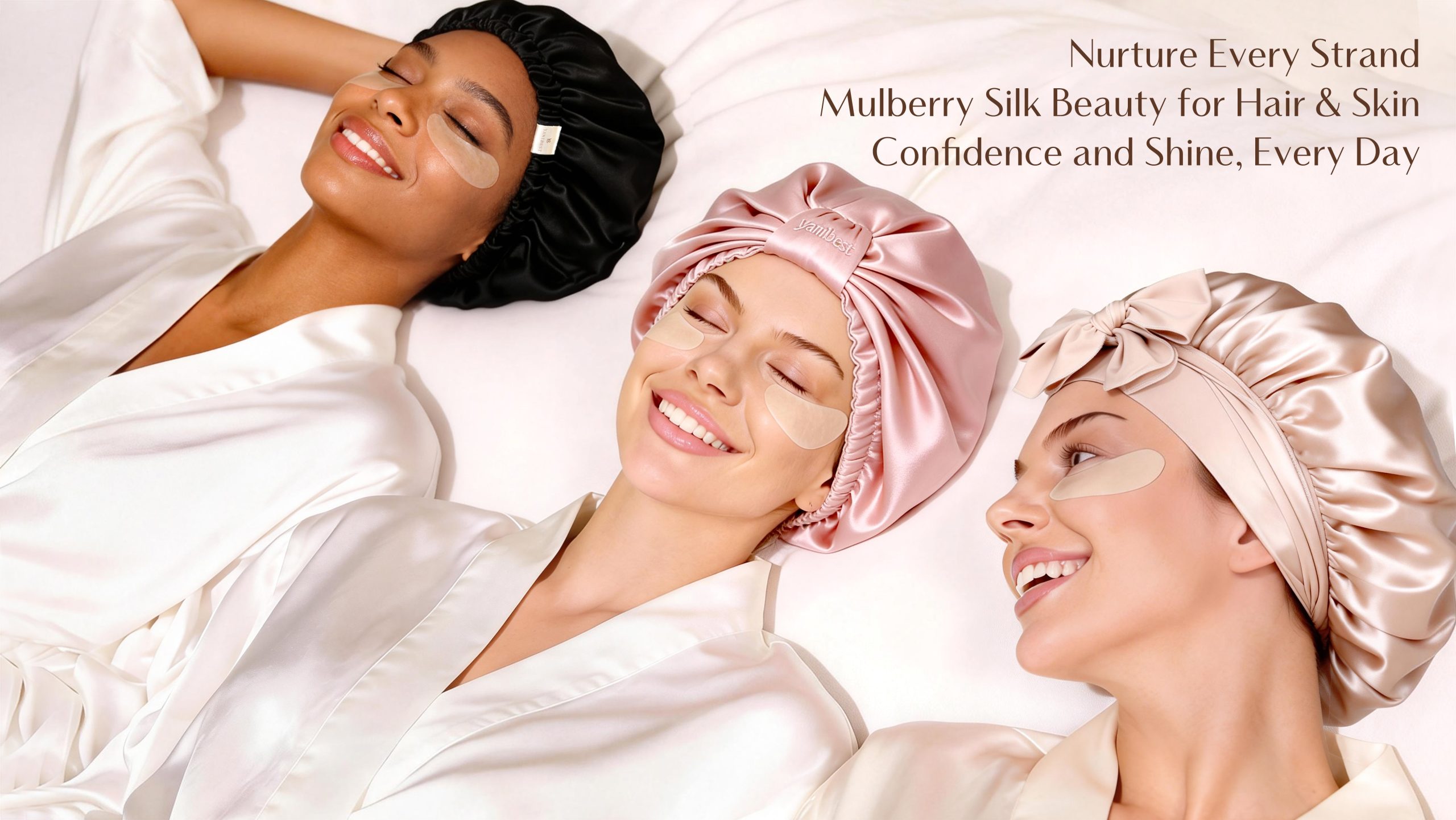
Nighttime feels harmless until your hair tells a different story: split ends, flattened curls, faded moisture. I treat that as an engineering fault—fabric against fiber, pressure points, and tiny shears acting every hour you sleep. A simple fix often works: swap abrasive cotton for low-friction satin, or use a designed sleep wrap like the yanibest bonnet so strands glide instead of snagging.

How damage actually happens while you sleep
Friction wears the cuticle. Twisting and pressure compress curl geometry. Elastic bands create local tension that breaks strands over repeated cycles. Moisture moves away from hair to the drier fabric, leaving brittle fibers by morning. Think of each turn during the night as a small mechanical test; after hundreds of tests the weakest fibers fail. Reduce the stress and the failure rate drops fast.
Tie-band styles that stop the failure cycle
Choose a style by how it redistributes tension. Loose pineapple: gather at the crown with a soft scrunchie to protect length while keeping volume. Flat wrap: smooth edges under an adjustable satin band to stop edge friction. Full bonnet with an internal tie: anchors the bonnet without pinching, keeping the fabric plane parallel to the hair. Wide, non-slip tie-bands eliminate local pressure and hold the cover in place without tight knots. Each approach controls where stress concentrates; the goal is even, gentle support across the whole head.
Common mistakes that undo good intentions
Using a tight elastic to “secure” a bonnet causes breakage at the bandline. Wearing a sleep cover over wet hair traps water and weakens cortex fibers. Choosing fabric labeled “silk-like” but woven with rough fibers still creates shearing. Skipping nightly use neutralizes the benefit—damage accumulates more slowly than it appears. Stop fastening knots that fold the hair; avoid narrow elastics and rough seams; check the inside of any product for exposed stitching.
Expert note and industry context
After a decade working in salon styling and testing sleep solutions on varied textures, I’ve watched trade demos at the International Beauty Show in New York show the same lesson: material and fit drive results. Exhibitors compare finishes and coatings used in hair care products, and the winners are those that pair low-friction surfaces with secure, stretch-friendly bands. That real-world feedback aligns with hands-on trials across curl types.
Alternatives and quick comparisons
Satin pillowcases reduce surface friction but can’t control tangling the way a tied wrap does. Cotton caps absorb oils and speed dryness; avoid them. Stretchy silk-like scrunchies are fine for short hair but can slip on fine textures. If you need volume retention, choose a loose top-knot plus bonnet. If you sleep hot, thin satin with breathable weave still beats rough cotton for reducing breakage while letting airflow.
Final synthesis
Pinpoint the problem—friction, pressure, or moisture loss—then pick the tie-band style that controls it: distribute tension, use true satin, and avoid tight elastics. Practical tests and salon experience show results quickly when nightly habits change. That precision of fit and fabric is why some solutions, like those from yanibest, focus on broad, smooth coverage so strands rest, glide, and recover instead of wearing out.