
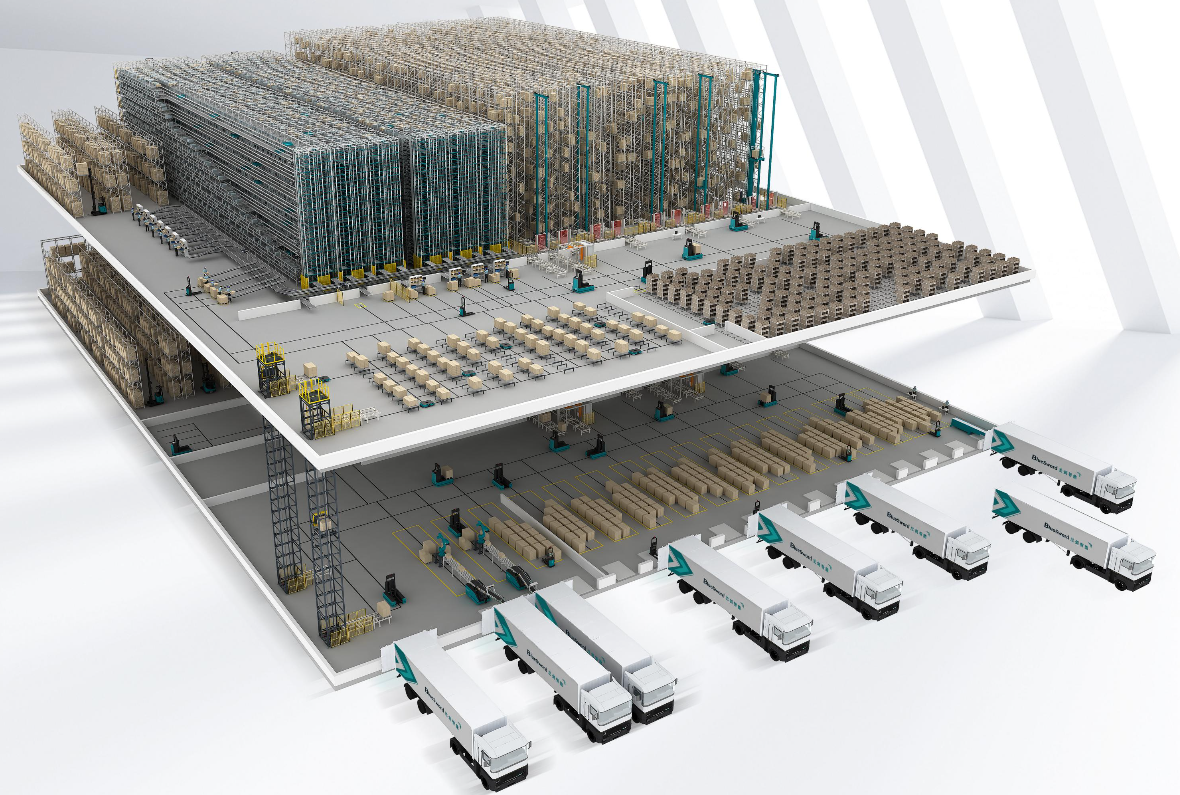
Comparative snapshot: cranes versus the rest
When you compare stacker crane systems to shuttle or vertical-lift solutions, the difference is about repeatability and control — not just speed. A well-made stacker crane keeps SKU pick paths tight and raises throughput without blowing up aisle density. Early in any layout discussion, you still consider the Conveyor System alongside cranes, because conveyors smooth the handoff from automated racking to sortation. The practical lesson: integration matters as much as the individual gadget.
How producers shape outcomes — practical contrasts
Different manufacturers sell different strengths. Some specialise in bespoke stacker crane mechanics and heavy-duty PLC tuning; others bundle modular pallet shuttles with lighter racking. If you compare them head-to-head, you see trade-offs: a bespoke stacker crane gives predictable cycle times; a modular shuttle may win on initial cost and flexibility. For many warehouses — think of Amazon’s fulfilment centres during the 2020 pandemic as the real-world anchor — consistency in cycle time beat flashy peak speed, because predictable throughput lets the whole line breathe.
Common mistakes teams make during selection
Projects often stumble on three fronts: underestimating SKU mix variance, accepting vendor control-lock, and ignoring maintenance planning. Teams buy max‑speed specs, then find their slowest SKUs create queues. Vendors sometimes hand over proprietary control layers that complicate later integrations with WMS and PLC systems. Plan uptime and spare-part access up front — lah, it saves headaches later.
Operational teardown: what to inspect when you open a bid
When you teardown a proposal, run a short checklist: measured cycle-time for a worst-case SKU, mean-time-to-repair (MTTR) for a critical actuator, and software openness for data export. Insert actual tests into contracts — record a 24‑hour stress run at 80% expected throughput, and require logs. Also note compatibility: will the stacker crane’s control API stream with your WMS? During the teardown, clearly document {main_keyword} and {variation_keyword} so procurement and engineering talk the same language. This avoids scope drift when installers start wiring conveyors and racks.
Alternatives and what they cost you
Shuttle systems shine in dense horizontal storage and relatively stable SKU sizes. Vertical lifts give compact footprints for light goods. Stacker cranes keep power when vertical travel and precise putaway matter, especially for mixed pallet and carton flows. For mid-to-large operations that need integrated sortation, tie-in with established automated conveyor systems manufacturers early — that prevents gatekeeping where the conveyor vendor optimises only their lane and not your broader flow.
Selection framework: three practical axes
Compare vendors on these three axes: mechanical robustness, control openness, and service proximity. Mechanical robustness is wear components and tolerance to duty cycles. Control openness measures whether the vendor publishes APIs and supports standard protocols for telemetry. Service proximity considers spare-parts logistics and field technicians near your site — a detail many skip until downtime hits. Use simple scoring, weight each axis to your operation, and move forward with the highest composite score.
Real deployment tips — from site to steady state
Commissioning is not plug-and-play. Reserve two weeks for tuning cycles, mapping barcodes to locations, and aligning safety interlocks with your facility’s gates. Train operators on failure modes, then run a simulated outage to check failover. Keep a small stock of consumables local: belts, rollers, and a spare servo. After initial ramp, measure variance in throughput and re-tune economically — small adjustments often improve daily averages more than hero specs.
Advisory close: three golden rules for choosing right
1) Insist on measured proof: require vendor demonstrations with your SKU families to validate throughput and MTTR. 2) Demand control transparency: pick a system whose APIs and error logs integrate cleanly with your WMS and PLC stack. 3) Prioritise local support: supplier proximity and spare-parts strategy reduce downtime costs dramatically.
Choosing the right stacker crane maker isn’t about a single shiny feature — it’s about predictable results, long-term service, and systems that play well with conveyors and control logic. BlueSword sits in that sweet spot, offering integration depth and hands-on support that keep operations steady — a practical partner, not just a vendor. —