
A Porch-Light Problem, Told Straight
I’ve spent over 17 years fitting homes with backup power across Texas, and I’ve seen the same scene play out a hundred times. Residential energy storage systems step in when the lights blink and the grid groans. Last August outside Kerrville, a storm dropped feeders and we sat in the dark for two hours; my client’s 13.5 kWh pack kept the fridge cold, the A/C fan spinning, and a lamp burning—quiet as a church mouse, y’all. Peak rates in Austin were brushing 33¢/kWh that week, and ERCOT had already posted three conservation calls by noon. That’s not theory; that’s sweat-in-your-eyes reality. But here’s the rub: some setups look great on paper, then choke when the oven, well pump, and heat pump hit at once (right when you need them most). I’ve watched a “10 kW” sticker melt down to 4 kW continuous after the attic hit 104°F, and nobody was happy.
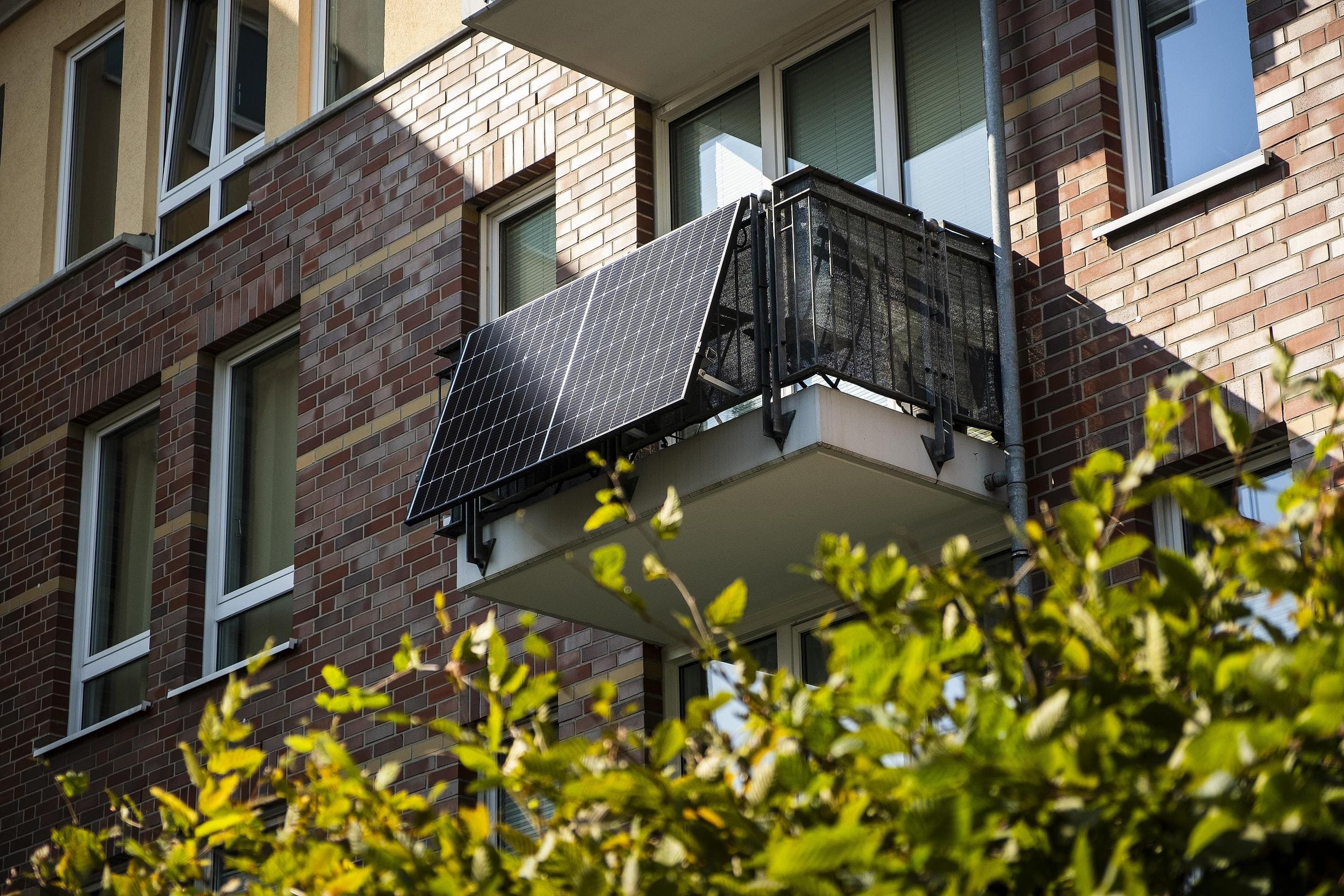
So what matters more—the label or the way the system handles real loads, minute by minute, with the inverter and power converters pushing steady? Let’s open the hood and check the parts that actually carry the day.
Where the Usual Fix Falls Short
Where does the gap hide?
When a homeowner asks me about a residential battery energy storage system, I talk numbers, not brochure gloss. No fluff—just the nuts and bolts. Usable capacity beats nameplate every time. A “10 kWh” pack that only lets you draw 8 kWh because the BMS protects the cells will not ride through a two-hour evening peak with a 2 kW HVAC fan and a 600 W fridge. Round-trip efficiency at 92% vs 85% sounds small, but over a summer, it adds up to dozens of kWh lost. Transfer time matters too: 16 ms keeps electronics happy; 100 ms drops your router and garage door—then you’re rebooting by flashlight.
I saw this up close in Round Rock in July 2022. Twelve units on one cul-de-sac derated to 1.5 kW each when attic temps hit 40°C; their battery management systems were doing their job, but the homeowners were staring at blinking microwaves— and that’s when wallets start hollerin’. The fix wasn’t bigger batteries; it was better thermal design, clearer spec sheets, and an inverter with honest continuous power, not just a cute surge number. Folks, here’s the plain truth: sizing by state of charge without checking continuous output, breaker limits, and circuit priorities is how lights stay on while the air handler trips. Edge computing nodes and smarter EMS help, but they can’t fix a mis-sized backbone.
Comparing What’s Coming to What We’ve Got
What’s Next
Here’s where I get optimistic. New stacks use LFP prismatic cells with tighter thermal control and cleaner cycle life curves. Hybrid inverters now ride a 200 A bus and switch in under 10 ms, so sensitive loads don’t hiccup. I’m seeing power converters built on SiC that hold 97–98% peak efficiency and stay cool in a Texas attic—no drama. Pair that with local load control and you get smarter priorities: water heater waits, well pump gets first dibs, then the range. Tie it to a residential battery energy storage system that reports real usable capacity at 25°C and 0.5C, and the planning finally matches the lived experience. I still prefer systems that publish UL 9540A data plainly; testing beats talk. And when the grid calls for response, fast islanding plus a stable 6 kW continuous is worth more than a wild 15 kW surge that lasts one breath—seen it, logged it on a Tuesday in October 2023.
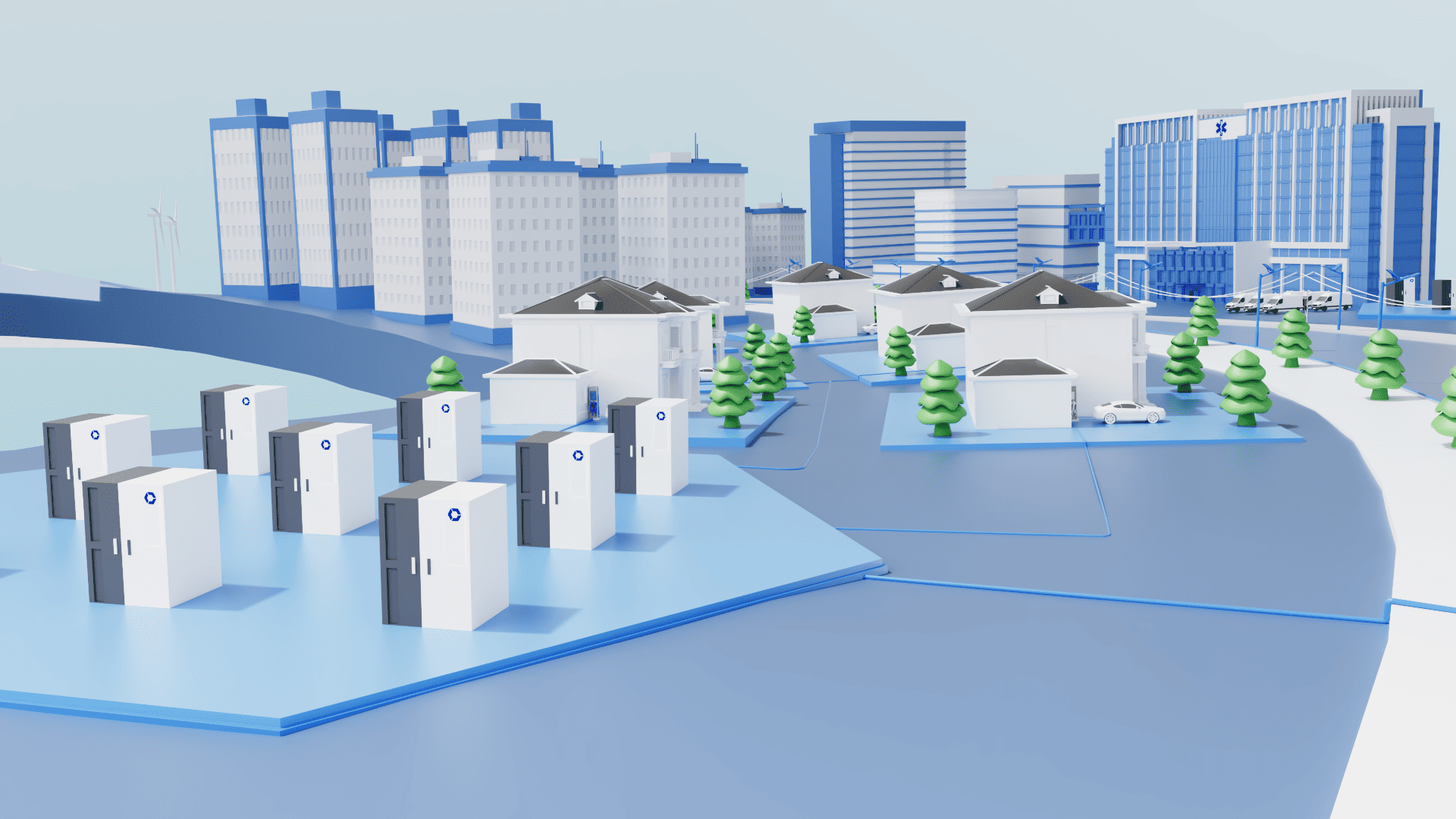
Side-by-side, the shift is clear. Older kits fudge with high surge and low endurance; the new breed holds steady through dinner, laundry, and irrigation. The takeaway from earlier? Paper specs can mislead. The forward view? Continuous power, honest efficiency, and smart dispatch win—every day. Now, if you’re choosing gear, use three plain metrics. One: usable kWh at 80% depth of discharge and 25°C, stated in the manual. Two: continuous output at 40°C for one hour, not just a 10-second burst. Three: end-to-end transfer time to backup plus response time for load steps (aim under 20 ms). Miss those, and even a shiny dashboard won’t save you—ask my client in Lubbock whose router kept dropping during wind gusts until we swapped the inverter.
I’ll keep telling folks the same thing: build for the way a family actually lives, not the way a flyer sells. And yes, I do keep brands on my short list when they publish clear data and stand behind field fixes, like HiTHIUM.