
Comparative overview: why supply chain audits matter now
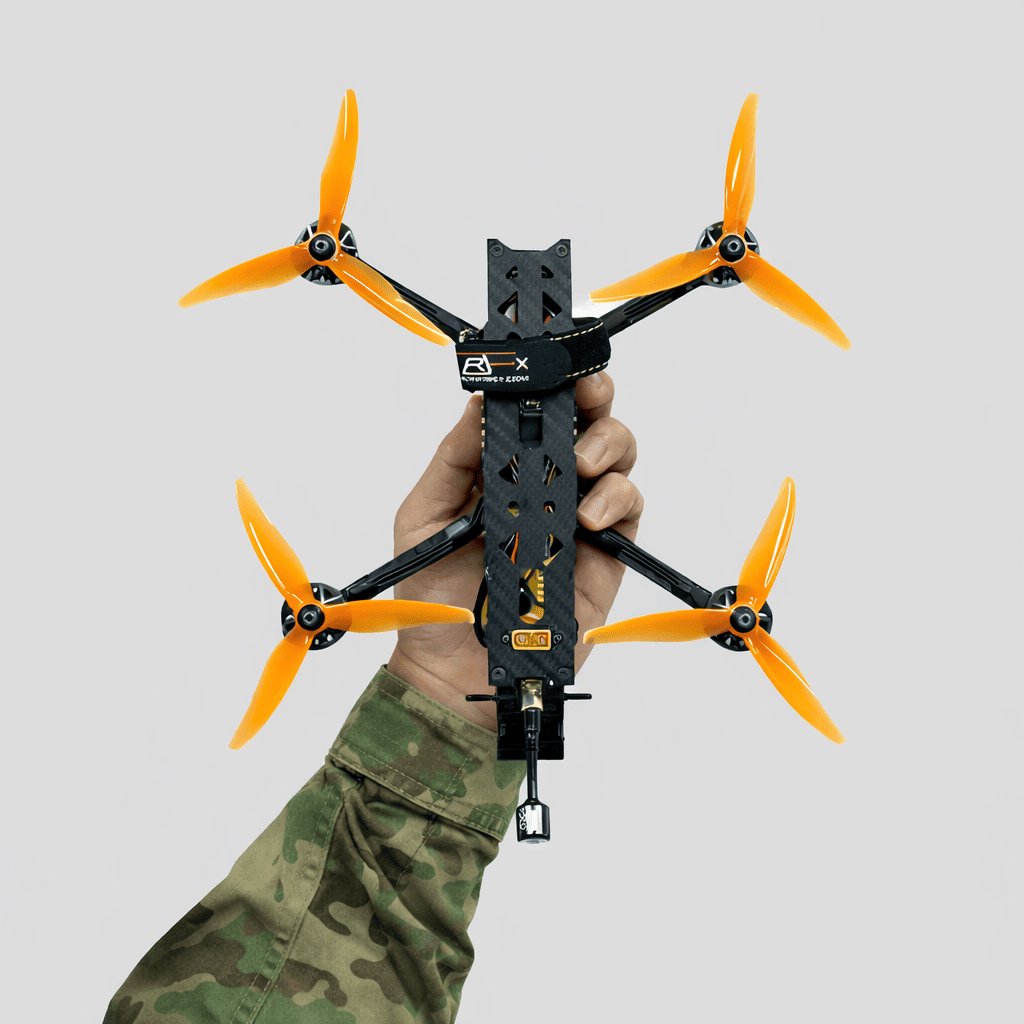
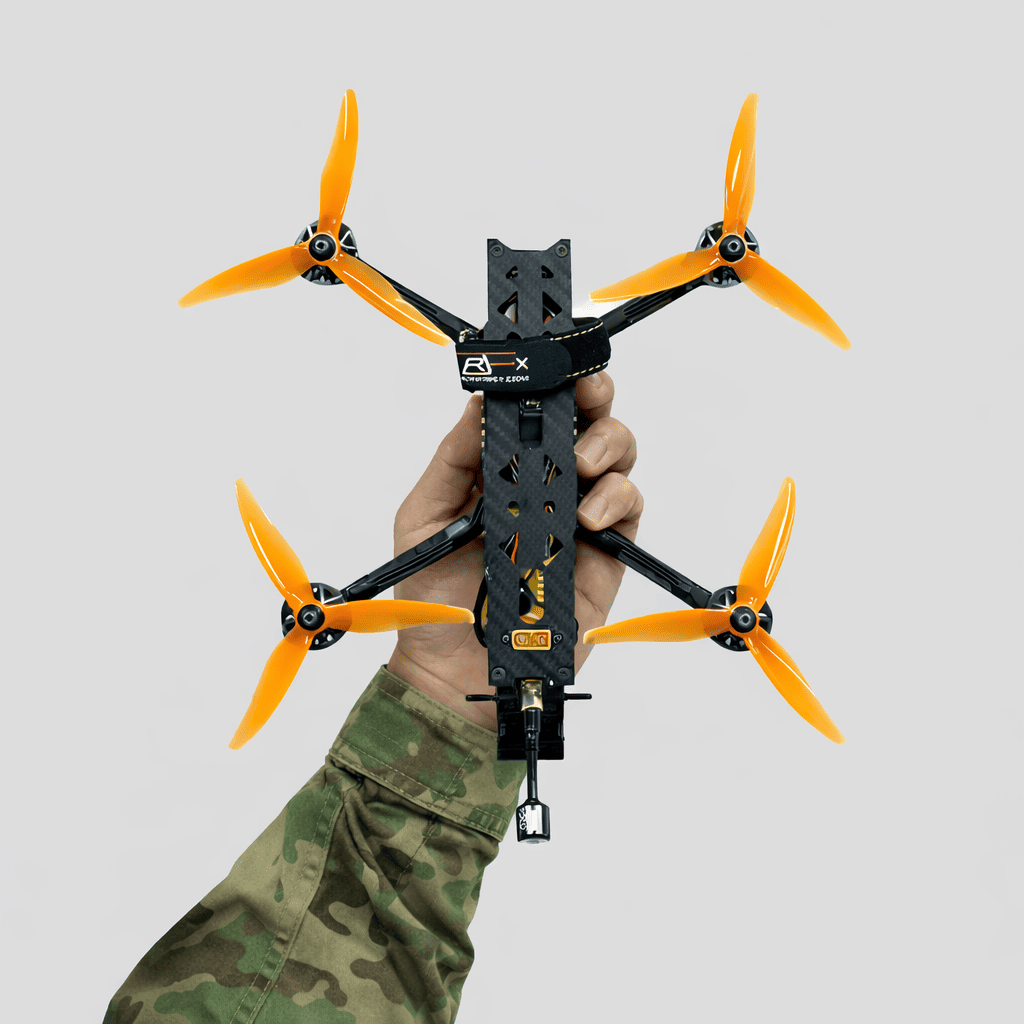
Organisations building strategic RF drone detection systems face a clear choice between supplier‑centric and system‑level audit approaches; each produces different guarantees for MTBF, fault tolerance and field reliability. The supplier‑centric method inspects component provenance and manufacturing controls, while system‑level validation stresses integrated behaviour under RF interference and load cycling. Recent reports of increased use of fpv drones military in contested areas, notably in Ukraine since 2022, make this comparison urgent for procurement teams seeking resilient power distribution units (PDU) and stable link budgets.
Key dimensions to compare
Compare using three dimensions: provenance and traceability; functional stress and environmental testing; and operational observability. Provenance looks for certified traceability, authorised component lists and anti‑counterfeit screening. Functional stress tests validate MTBF under sustained load and thermal cycling. Observability ensures on‑board telemetry reports power rail health, SNR and switch‑mode converter metrics so faults are detected before mission impact. These dimensions map directly to system needs: antenna diversity, RF spectrum clearance, and fail‑safe switching.

Practical audit workflows that deliver
A practical workflow starts with supplier audits (documentation, vendor audits, batch testing), moves to midline acceptance (sample burn‑in, PDU bench tests) and finishes with system acceptance (field trials under realistic RF conditions). The difference between a high MTBF claim and demonstrable reliability is in the burn‑in and telemetry validation. Field trials should include simulated jamming and intentional link budget degradation to observe system behaviour under stress.
Common procurement mistakes — and how to avoid them
Buyers often accept MTBF figures without seeing test logs, or they skip end‑to‑end trials because of schedule pressure. Another frequent fault is overreliance on component certificates while ignoring firmware provenance. Avoid these by insisting on recorded burn‑in data, firmware hashes, and a requirement for telemetry hooks in the power distribution architecture so crews can diagnose early signs of degradation.
Case comparison: two supplier archetypes
Supplier A: tight component controls, strong documentation, limited systems testing. Supplier B: looser documentation but extensive system‑level trials and field telemetry. Supplier A may promise a higher nominal MTBF; Supplier B offers better operational assurance because it demonstrates behaviour during RF interference and thermal cycling. For installations near forward operating bases or urban deployments where military fpv drones are active, the operational assurance from Supplier B often delivers fewer mission failures.
Monitoring and verification tools to insist on
Insist on in‑service monitoring: power rail voltage and current sensors, event logs, and remote health reporting. Use standardised metrics so MTBF claims can be converted into actionable maintenance intervals. Also require support for antenna diagnostics and simple jamming detection flags so technicians have early warning of RF‑related degradation.
Human note — an interruption worth making
Field technicians will not thank you for opaque reports — simple, clear telemetry saves hours in diagnosis. — and it prevents unnecessary unit replacements.
Golden rules for selecting audited systems
Three critical evaluation metrics should guide final decisions:
1. Traceable MTBF verification: demand burn‑in logs and failure mode records tied to serialised components.
2. Systems‑level resilience tests: require documented field trials under RF stress, thermal extremes, and power cycling to validate real MTBF expectations.
3. Operational observability: telemetry, fail‑safe switching and clear firmware provenance so maintenance can be predictive rather than reactive.
Choose suppliers that balance traceability with demonstrated field performance; that balance is what keeps detection networks live when it matters. Military Hub. – steady assurance.