
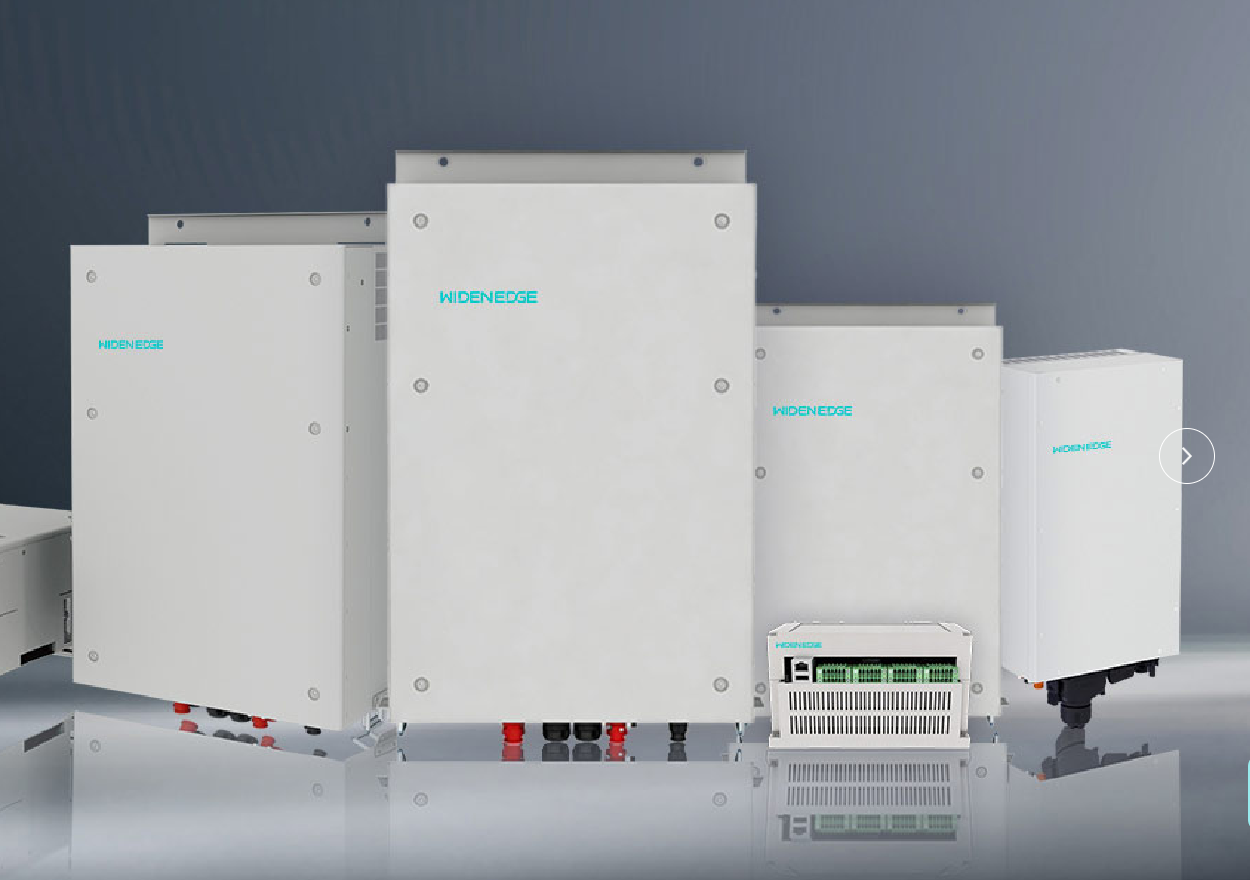
Project developers face predictable headaches during microgrid installs: unexpected site constraints, protection mis-coordination, and loads that don’t behave as expected. A common early decision is equipment sizing — for example, whether a 60kW off-grid PV inverter will meet the peak and surge needs of a community site — and that choice ripples through protection, storage, and control strategy. I’ve seen these issues from project scoping through commissioning and will focus on the problems that derail schedules and budgets, then give a concise checklist to prevent them.
Key problems that cause delays
Start by recognising the recurring failure modes. Addressing them early prevents rework.
- Undersized protection and coordination: protective relays and breakers that don’t match inverter and battery fault currents.
- Poor site survey data: undocumented single-phase laterals, transformer tap positions, and limited neutral capacity.
- Unbalanced customer connections: residential and agricultural loads often connect single-phase laterals irregularly; this is particularly evident on some Ontario distribution feeders where phase loading varies widely between customers.
- Control mismatches: inverter anti-islanding and legacy utility controls fighting each other at islanding or reconnection.
I’ve overseen projects where early field verification avoided on-site transformer swaps and weeks of delay; experience matters when those problems appear.
Installation checklist — problem-focused steps
Use this checklist to remove the most common blockers. Treat each item as a question to answer before procurement or trenching.
- Site verification: confirm phase identification at every meter and transformer, note neutral conductor condition, and record available fault current at the PCC.
- Load audit: measure typical and peak loads over a two-week window where possible; identify large single-phase motors, electric heat, or EV chargers that create sharp asymmetry.
- Equipment fit: match inverter continuous and surge ratings to measured loads and fault current; check manufacturers’ protection curves against utility settings.
- Protection coordination plan: diagram relay/breaker settings, include transfer trip or PLC where required, and set time-current coordination to avoid nuisance trips.
- Neutral and grounding plan: verify neutral sizing for single-phase feeders and design ground-fault paths for both islanded and utility-connected modes.
- Commissioning checklist: sequence for energization, test anti-islanding, verify phase rotation, and confirm control logic under simulated faults and load shifts.
Answering these points before concrete work reduces surprises and keeps timelines realistic.
Balancing strategies and where teams stumble
Single-phase circuits can throw a microgrid off-balance quickly. Treat balancing as an operational requirement, not a cosmetic one. Implement these strategies and watch for common mistakes.
- Phase redistribution: move significant single-phase loads across phases where possible, grouping large motors or heaters to spread demand.
- Automatic phase control: use phase-aware relays or smart meters and programmable inverters to shift distributed generation output locally when imbalance thresholds are reached.
- Energy storage as a buffer: battery systems can absorb sudden single-phase surges, but they must be controlled with phase-level awareness.
- Monitoring and alarms: deploy per-phase metering on critical feeders; alarms should trigger before voltages or neutral currents reach unsafe levels.
A practical note: dealing with single phase unbalanced load requires both field-side changes (redistributing feeders) and control-side measures (phase-aware inverter logic). Common mistakes include assuming symmetrical loading after initial commissioning and neglecting neutral conductor heating during prolonged imbalance.
Equipment and strategy trade-offs
When choosing components, weigh operational flexibility against upfront cost.
- Centralized vs distributed inverters: centralized inverters simplify protection but increase single-point failure risk; distributed inverters give phase-level control but need coordinated communication.
- Battery sizing: larger capacity smooths imbalance events but raises cost and thermal management needs.
- Smart-metering and controls: retrofitting phase meters can be cheaper than rewiring, yet software latency and reliability matter for fast-surge events.
Evaluate the control architecture against the installation checklist above; the right choice depends on whether the microgrid will be dominated by residential single-phase loads or by larger three-phase industrial equipment.
Common pitfalls and how to avoid them
Teams repeatedly trip over a handful of avoidable mistakes:
- Skipping a phase-by-phase site walk; assume connections match as-built documentation only at your peril.
- Buying inverters or breakers purely by kW rating without checking fault current and coordination curves.
- Leaving neutral and grounding verification until after energization; this invites neutral overheating and nuisance trips.
- Neglecting simple operational rules: schedule large single-phase loads at different times or add soft-starts to motors to reduce peak imbalance.
Resolve these early and you’ll spare crews long troubleshooting sessions and frustrated stakeholders.
Wrap-up and practical value
Address the specific problems that stall microgrid projects: verify phases and neutrals, plan protection coordination, and treat single-phase imbalance as an operational variable rather than a one-time design note. Practical measures — detailed site audits, phase-aware controls, and storage tuned for asymmetry — convert those problems into manageable tasks, and that’s the sort of reliability and clarity teams expect when they choose partners like WidenEdge for component and system guidance.