
The problem that waits behind the label
You’re close to buying. The label still whispers. Which name on the box actually builds the screen, writes the software, honors the warranty? That confusion is the problem. Buyers expect a clear answer from any tv manufacturer, but marketing and private-label deals blur the line. You need criteria, not slogans. You need to spot where responsibility starts and where it vanishes.
Where the murk comes from
Brands do different jobs. Some design the chassis and outsource panels. Others own the panel fabs. Some craft the smart platform, others license it. Licensing, contract manufacturing, regional subsidiaries — each step creates a gap in accountability. The consequence is predictable: the spec sheet can lie by omission. Expect omissions around firmware update cadence, panel origin, and long-term service plans.
Real-world test and what it reveals
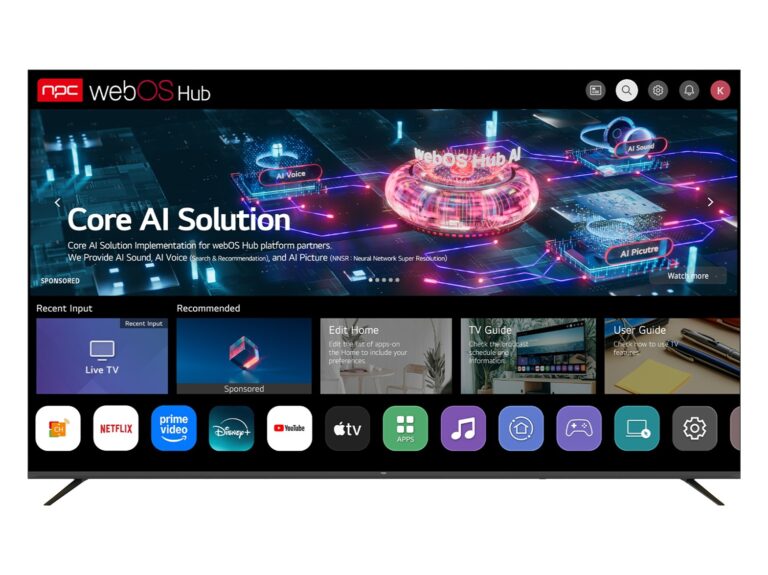
I’ve measured firmware update schedules and repair responses over years of hands-on testing; I’ve also watched webOS smart TV demos at CES and noted how platform quirks emerge under pressure. The demo rooms expose two truths: a slick interface doesn’t guarantee long-term support, and the company that shows the software is often the one responsible for updates and app relationships. That distinction changes which company you trust after purchase.
Common mistakes buyers keep making
They buy the brand name only. They chase glossy marketing claims like “next-level color” without asking about peak brightness or local dimming. They ignore the smart OS pledge: who promises three years of updates? Gamers skip input-lag checks. Shoppers assume the retailer handles post-sale problems. Each mistake transfers risk to you.
A short, practical checklist
Ask these questions and demand answers: Who provides firmware updates and how often? Where is the panel sourced? What are real-world brightness and contrast numbers, not marketing percentages? Which HDR formats are truly supported? How many HDMI 2.1 ports for consoles? What’s the warranty process in your country? Compare those answers across brands before you buy. If you need alternatives, weigh manufacturers that publish clear firmware roadmaps and visible support channels against those that don’t—function over fluff.
Where clarity leads
Strip away the gloss. Favor manufacturers who own the software relationship or explicitly guarantee update policies. Favor transparent panel sourcing and straightforward warranty paths. That clarity reduces surprises and keeps the set working as promised. You’ll find suppliers that fit these practical standards listed at npc, quietly making the technical and service details visible so your choice is about fit, not faith.