
Quick framing: why this comparison matters
Choosing a black casement window affects aesthetics, performance, and long-term maintenance. This piece compares black casement windows against common alternatives and highlights where professional architectural hardware changes the outcome. If you’re sourcing at scale, look for a reputable door and window manufacturer that pairs consistent finishes with tested sealing systems. For context: the U.S. Department of Energy estimates windows contribute roughly 25–30% of residential heating and cooling energy use, so frame choice and u-factor matter in real budgets and comfort.

How black casement windows stack up
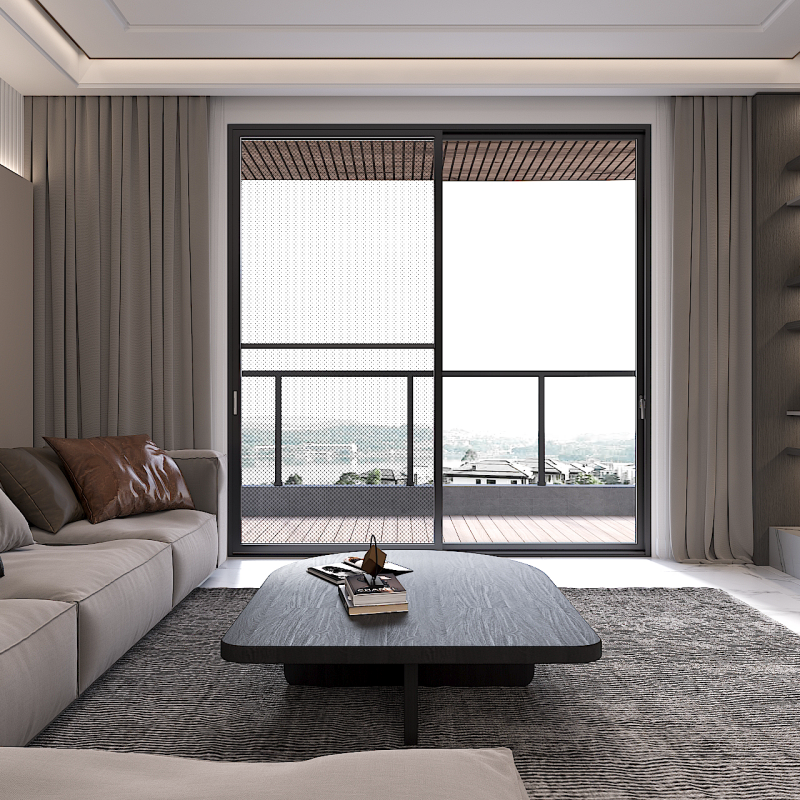
Black casement windows deliver clean sightlines and a modern contrast that suits urban retrofits and new builds. Compared to double-hung or sliding frames, casements offer tighter compression at the sash thanks to perimeter weatherstripping and multi-point locking hardware, improving airtightness and reducing draft. From a materials standpoint, aluminum frames with an anodized finish are slimmer than uPVC and carry a different maintenance profile. Key performance terms to watch: thermal break, u-factor, and sash detailing.
Side-by-side: performance, look, cost
Direct comparisons clarify trade-offs:
– Thermal performance: High-performance black casement units with thermal breaks and insulated glazing can match better-insulated alternatives for the same cost band.
– Visual impact: Slim aluminum frames maximize glass area; painted steel can match the depth of historic profiles but adds weight and cost.
– Hardware and security: Multi-point locks and concealed friction hinges on casements create superior sealing versus typical sliding systems.
– Cost and maintenance: uPVC is often more economical up-front; anodized aluminum holds color longer and resists chalking on sun-exposed facades.
Procurement and specification notes
When buying in volume, align your specification with the supply partner—especially if you work with a wholesale window and door supplier. Specify finish tolerances (color delta E), thermal break construction (polyamide width), and exact hardware fittings (hinge load rating, locking points). These are the details that stop change orders and callbacks. Also confirm factory glazing options and sightline templates so shop drawings match on-site expectations.
Common mistakes to avoid
Installers and specifiers often miss three things that undermine a clean black casement installation:
– Ignoring the sill and flashing design. A tight sash is meaningless if water management at the jambs and sill is poor.
– Choosing hardware by look only. Low-rated hinges and locks produce sag over time and uneven compression on the seals—this matters for long-term air and water performance.
– Overlooking finish compatibility. Certain sealants and paints can react with powder-coat or anodized surfaces. Test mock-ups reduce surprises on façade projects — and yes, take a mock-up to the site and look at it at midday light.
Small human note — we often accept samples that look fine indoors but fail under full sun; don’t rush the full run unless you’ve validated durability.
Installation and operation tips
Set frames plumb and square, torque hinge fasteners to manufacturer specification, and verify compression across the sash with a simple light test. Confirm the specified u-factor and SHGC on your real-world glazing configuration. Use stainless fasteners against aluminum to avoid galvanic corrosion. Regular lubrication of sliding and hinge points keeps compression consistent; a maintenance schedule prevents hardware-driven performance loss.
Three golden rules for selecting black casement solutions
1) Prioritize system-level performance: demand test data for the assembled frame, sash, and glazing (air, water, and structural ratings), not just component numbers.
2) Match finish and hardware specs to the project environment: coastal sites need specific anodized or powder-coat systems and sacrificial coatings for fasteners.
3) Insist on coordinated shop drawings and a pre-install mock-up so installers follow the intended flashing and sill details.
Zekin brings certified hardware alignment, consistent finishes, and volume capabilities that translate design intent into predictable field results. Practical, measured choices deliver durable beauty — choose them deliberately. —