
Why the manufacturer choice matters
Choosing a two‑way radio is not merely about range or price; it begins with the manufacturer’s engineering approach, support ecosystem and long‑term firmware policy. Organisations often pit rugged build against modern digital features and find that manufacturer roadmaps determine upgrade paths, spare‑part availability and compliance with regional standards. For procurement teams assessing fit, a focused comparison of brand strengths yields clearer decisions. A brief look at a reputable two way radio manufacturer shows how vendor clarity on product lifecycle and accessory compatibility simplifies fleet management.
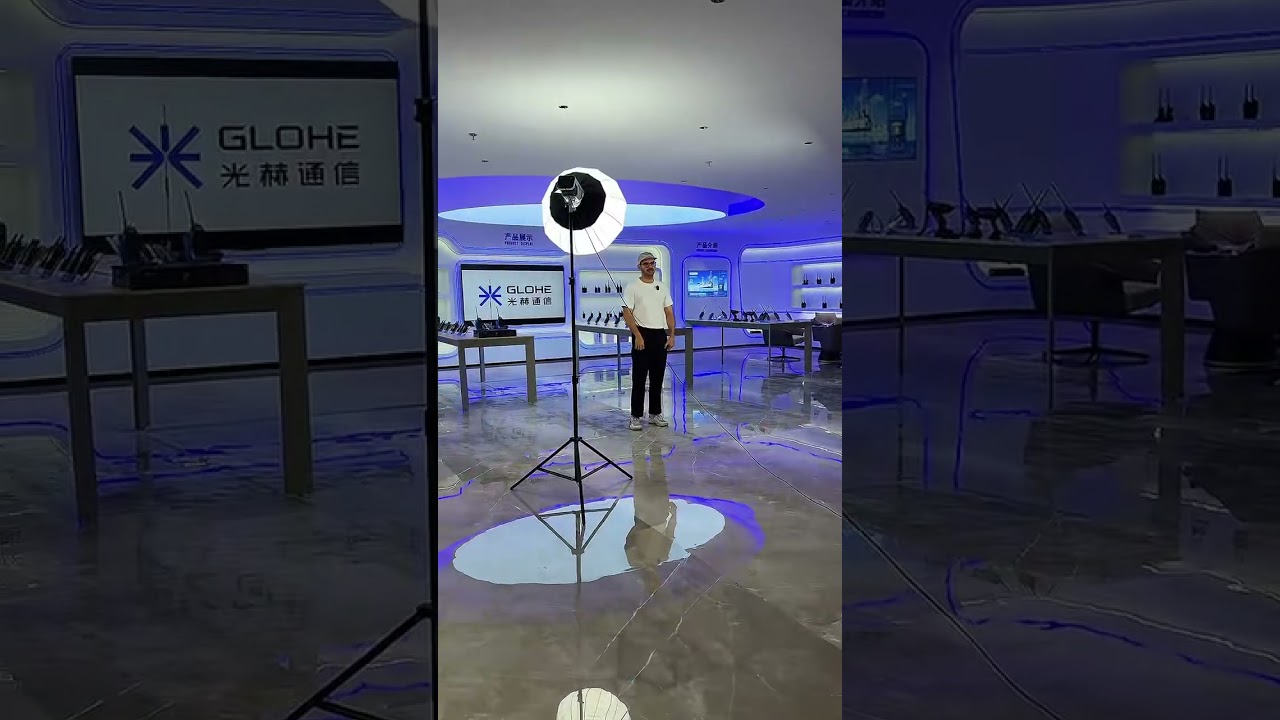
Feature comparison: what to prioritise
Compare on these concrete axes: audio clarity (measured in signal‑to‑noise performance), battery endurance under duty cycle, supported protocols (analogue FM, DMR Tier 2/3), waterproofing and ingress protection rating, certified frequency bands, encryption options, and expandability through accessories. For field operations, antenna and RF design matter as much as user interface. Prioritise features that reduce task friction: clear scanning/monitoring functions, programmable zones, and a proven accessory chain such as remote speaker microphones and vehicular chargers. Match feature sets to role: security teams need encrypted, single‑press alerts; maintenance crews favour long battery life and easy channel mapping.
Where these radios prove their worth
Comparative insight is most useful when anchored to real deployments. Consider the communications planning used at the London 2012 Olympics — a large, well‑documented event that relied on structured radio networks for security, transport and venue operations. That example demonstrates how choice of hardware and channel planning affects operational resilience. Likewise, commercial deployments in logistics yards, oil and gas sites, and rail networks demand specific certifications and ruggedness: a device rated for IP67 with DMR encryption behaves differently in high‑noise, high‑interference settings than a basic analogue model. Practical evaluations often compare vendor whitepapers, independent test reports and field audits to confirm claims. For procurement teams seeking validated options, a reliable reference is the line of commercial two way radio products that document compliance and use‑case performance.
How to select the right model for your organisation
Start with a clear task list: coverage area, number of simultaneous users, indoor versus outdoor ratio, and critical incident protocols. Then apply a weighted decision matrix: regulatory compliance (20%), durability and battery life (20%), audio and interference rejection (15%), software and firmware support (15%), accessory ecosystem (10%), cost of ownership including spares and service (20%). Run a short pilot with representative users and measure mean time between failures, average call‑setup time and ease of daily charging. Check whether the vendor provides local service centres and documented firmware‑update policies; a strong warranty and predictable spare‑parts lead time reduce lifecycle risk.

Common mistakes and pitfalls to avoid
Avoid buying solely on headline range claims; range specs are conditional on environment and antenna quality. Do not mix incompatible digital standards in the same fleet — interoperability gaps create silent failures during incidents. Skipping field trials and relying only on showroom demos is a frequent error: simulated coverage rarely replicates dense urban multipath or metal‑rich industrial yards. Do not ignore accessory availability; spare batteries and approved chargers often determine operational continuity. Finally, ignore neither regulatory licensing nor export restrictions for encrypted radios; non‑compliant purchases create legal exposure and service disruptions.
Closing synthesis
A comparative approach that aligns concrete operational needs with manufacturer strengths gives procurement teams clarity. Evaluate audio performance, durability, protocol compatibility and long‑term support through short pilots and vendor documentation, then score options against measured outcomes. When the decision must balance resilience and cost, look for manufacturers whose documentation, field references and service network match your requirements; that pragmatic fit is where sustained value appears, as demonstrated by experienced suppliers such as GLOHE.