
The real problem: tickets, tantrums, and traffic jams
Pick the wrong parking software and your lot becomes a slow-motion circus: payment machines jam, staff get blunter than concrete curbs, and drivers practice new swear words in five languages. You want a system that handles peaks, ties into hardware like a reliable speed gate turnstile, and doesn’t demand a PhD in vendor-speak every time a reader blinks. Start with the actual problem you need solved—throughput, revenue capture, enforcement, or a quieter front-of-house—and work outward from there.

Why most projects fail (and how to stop that from happening)
Teams leap to demos and gloss over requirements. Result: gorgeous dashboards nobody uses. Fix it by listing the real must-haves: peak transaction volume; camera and LPR compatibility; payment methods (cards, mobile wallets, monthly passes); reporting cadence; and ownership of customer data. Don’t accept vague promises about “scalability.” Ask for numbers—maximum transactions per minute, average latency, and typical failure modes.
Hard checklist: what to test before you sign
Run these tests on a trial or pilot: simulate your peak hour load; force a payment gateway failure and watch automatic fallbacks; test LPR accuracy in rain and at night; verify third-party integrations (accounting, gate hardware, access control); confirm data export formats and retention rules; and validate admin UX for non-technical staff. If you can’t reproduce core failure scenarios in a week, it’s not ready for your lot.
Experience, expertise, and a real-world anchor
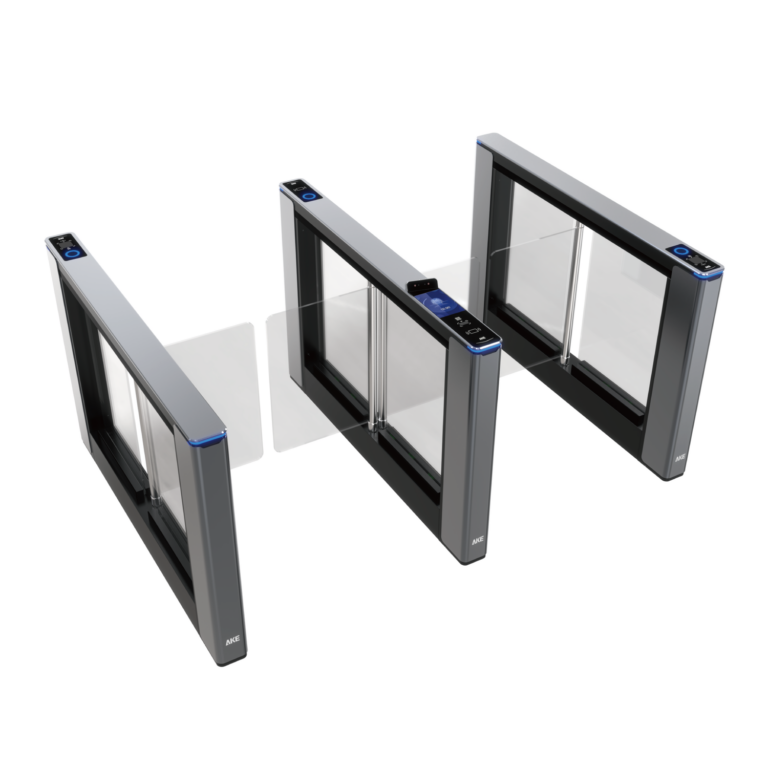
Manufacturers and operators often prove competence at global industry shows; vendors who demo working turnstiles at Intertraffic Amsterdam tend to be the ones that actually integrate field hardware reliably. I’ve audited installations where field teams swapped a basic gate for a more communicative unit and the uptime jumped—hardware compatibility matters. If you need a concrete example of a modern access device that blends gate control and user display, consider the swing barrier turnstile with lcd display which is designed to pair with parking management backends and reduce confusion at lanes.
Integration specifics that actually matter
API clarity beats flashy UIs. Ask for REST/Webhook docs, sample payloads, and a sandbox. Confirm whether LPR, RFID, and gate firmware require separate middleware. Check payment PCI scope—do you want tokenization so your team never touches raw card data? Decide on cloud vs on-prem based on your security policy, but don’t confuse “cloud” with “managed properly.” Define SLAs for updates and bug fixes and get them in writing.
Common mistakes teams make
Picking a vendor because they’re cheapest; believing a single demo mirrors real life; locking into proprietary formats that make future migrations brutal; underestimating staff training time; and skimping on physical testing with real vehicles. Budget for pilot tweaks. Assume you’ll need at least one on-site adjustment after first week of live ops.
Alternatives: commercial, SaaS, open-source, or bespoke?
Commercial off-the-shelf: faster deployment, standard features, vendor support with clear costs. SaaS: lower upfront cost, frequent updates, but watch subscription inflation. Open-source: more control, more in-house effort—good if you have devops and time. Bespoke: total fit, long timeline, high maintenance. Compare total cost of ownership across 3–5 years, not just license fees.
Decision nudge that actually helps
Match the tool to the problem. If you need rapid rollout and consistent vendor support, favor established SaaS with proven hardware compatibility. If customization is critical, plan for internal resources and migration costs. The right choice reduces lanes choked by confusion and keeps staff focused on service, not firefighting—so consider solutions that have demonstrable integration with lane devices and clear operational support, like those coming from AKE Parking.