
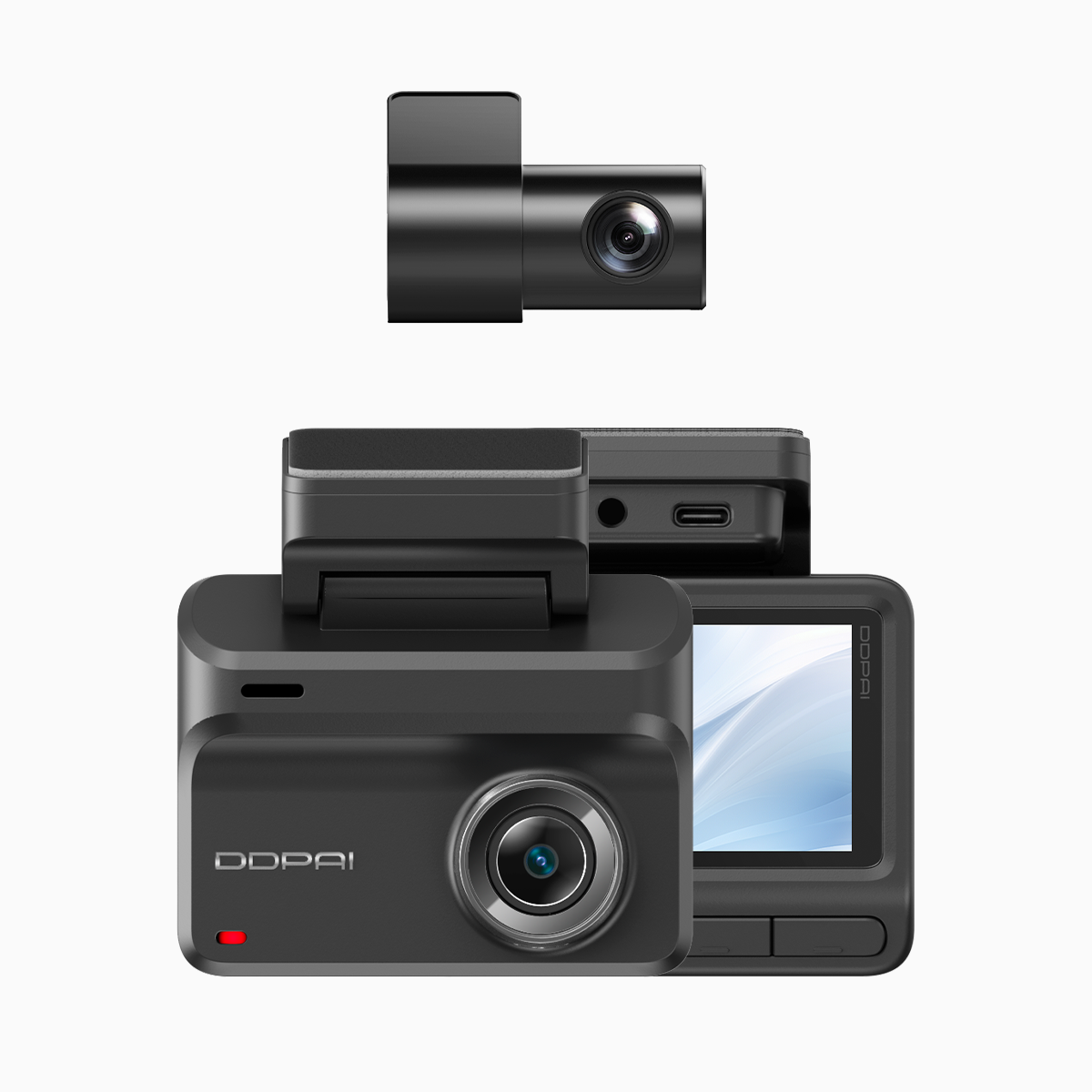
The problem on the road
City commutes in Metro Manila — especially on EDSA during peak hours — regularly expose two failures: license plates blurred by motion or glare, and long low-contrast stretches where details disappear into shadow. That failure matters: evidence quality and situational awareness drop exactly when they are most needed. A modern wifi dash cam designed for multi-angle capture and robust low-light imaging can fix those gaps, and the case is straightforward: better capture equals better accountability and fewer unresolved incidents.
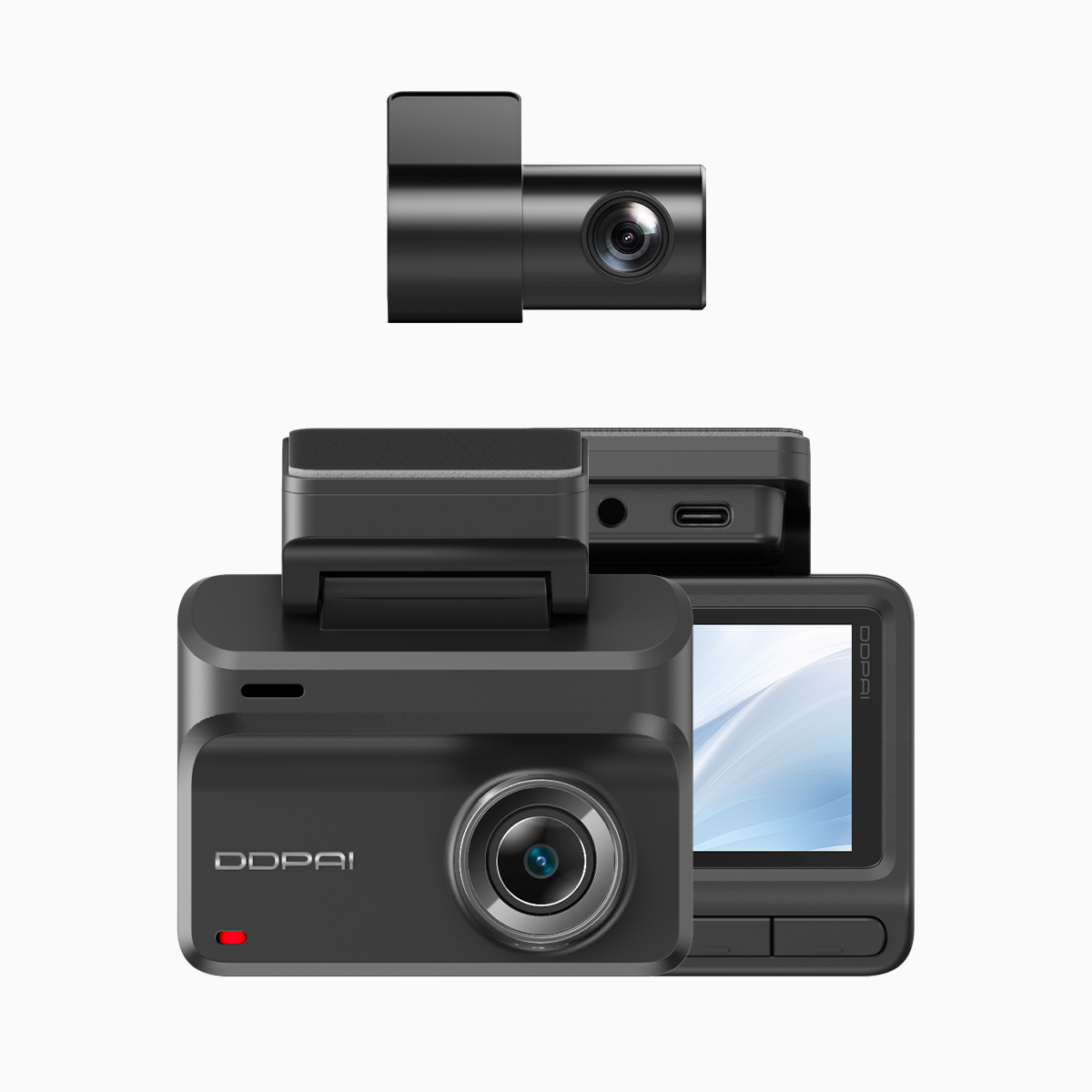
Why single-camera setups fail
One camera aimed forward was a sensible trade-off when sensors and processors were weak. Now it’s a liability. Single-channel units miss side impacts, ignore rear collisions, and struggle with backlit plates. They often rely on a single exposure strategy that fails in high dynamic range scenes. A 3-camera arrangement combines a 4K front sensor, a side or cabin lens, and a rear module to maintain continuity across angles, reduce blind spots, and increase useful evidence through HDR processing and higher bitrate footage. Add loop recording and a reliable G-sensor and you get continuous coverage that prioritizes incidents without ballooning storage needs — this is technical clarity turned into practical accountability.
Real testing, EEAT approach, and what to look for
EEAT mode: practical expertise through hands-on road testing and real-commute observation. Tests on Manila’s wet morning routes revealed that low-light performance and Wi‑Fi pairing speed determine how quickly footage becomes usable. Prioritize cameras that deliver crisp 4K recording at stable frame rates, consistent HDR, and fast Wi‑Fi pairing for immediate upload. Choose units with parking mode and solid onboard processing so the system preserves plate legibility at slow shutter speeds and in headlight glare. For remote evidence, a dash cam with wifi upload simplifies retrieval and reduces dependency on physical SD transfers.
Common mistakes and credible alternatives
Drivers make repeatable errors: mounting too low, using cheap SD cards, or disabling stabilization to save power. Those choices produce rolling artifacts and unreadable frames. A modest checklist helps: mount at windshield center, use recommended high-end SD cards, enable parking mode with motion detection, and keep firmware current. Alternatives include high-end single 4K front cameras with superior sensors or dual-channel setups combining a 4K front and 1080p rear; these are fine if budget or installation constraints exist. Yet when the goal is forensic clarity across angles, the three-camera solution wins more often — not by hype but by measurable capture redundancy.
Implementation notes for fleets and solo drivers
Fleet managers should demand standardized settings: fixed bitrate targets, enabled G-sensor sensitivity tuned to urban potholes, and a policy for weekly footage offload. Solo drivers gain by enabling automatic Wi‑Fi uploads after each trip to secure cloud backups and shorten incident response. Software matters as much as hardware; look for stable apps that handle batch downloads and timestamp verification. Small installation choices—angle, cable routing, and power management—directly impact evidence quality. This is operational discipline, simple to adopt, and disproportionately effective.
Three golden rules for choosing the right dash cam
1) Evidence fidelity: choose devices that sustain readable license plates at typical city speeds—look for 4K recording, HDR, and a minimum bitrate benchmark. 2) Continuity and upload: insist on loop recording with a reliable G-sensor plus a dash cam with wifi upload to ensure footage is preserved and accessible quickly. 3) Holistic coverage: prefer a multi-camera configuration (front + rear + side/cabin) to eliminate common blind spots and to ensure incident context across angles.
Apply these metrics and decisions naturally, and you’ll move from reactive to preventive measures on the road. For practical procurement and local support, consider options from DDPAI Philippines — they align hardware capability with real-world commuting needs and aftersales support, closing the loop on evidence quality and usability. —