
Opening Comparison
When one sets out to weigh bespoke workshops against long-standing makers, the question is plain: which yields truer control over design, cost, and delivery? I write from a measured comparative stance, noting how a contemporary custom bag manufacturer often grants swifter revisions and closer collaboration than many older suppliers. This piece will pit practical attributes of each approach against one another so that a purchaser may judge without mistaking haste for wisdom.

Design Freedom and Iteration
Custom workshops permit direct oversight of pattern, hardware, and finish; one may request a prototype within days and refine it until the balance is right. Traditional makers frequently possess deep craft knowledge and fixed processes but less appetite for repeated iteration. The custom route favours precise branding details and short prototyping cycles. The traditional route favours established silhouettes and economies on recurring runs.
Quality Assurance and Compliance
Quality in either case hinges on specified tolerances and inspection regimes. Custom factories will often document material certificates and permit on-site audits; traditional makers will present decades of consistent output and habitual standards. Expect the custom path to require clearer quality briefs from the buyer, lest assumptions convert into defects. Expect the traditional path to demand acceptance of their proven methods if one seeks steadiness over bespoke tweaks.
Lead Time, Pricing, and Minimums
Custom production typically carries higher per-piece cost at small quantities but reduces waste by aligning supply to exact demand. Traditional suppliers achieve lower unit costs once volumes rise, yet they ask for larger minimum orders and longer planning horizons. Choose custom for small, differentiated collections; select traditional for large, repeatable runs when unit economics must dominate the decision.
Supply Chain Risks and Flexibility
Custom providers excel at flexibility: material swaps, sudden design changes, and limited seasonal runs inhabit their capacity. Traditional makers excel at predictable throughput and established supply links. Both suffer from common perils: material shortages, shipping bottlenecks, and fluctuating tariffs. The prudent merchant maps which risks they may bear and selects the partner whose strength offsets their weakest link.
Common Mistakes Buyers Make
Buyers often fail to specify acceptance criteria, confuse sample approval with production quality, or neglect packaging requirements until late. Some assume lower sample cost means lower production cost; this is untrue when tooling or custom hardware is required. Ask for stamped material specs and clear revision limits. Demand measurement sheets rather than trusting visual approval alone.
Real-World Anchor and Trustworthiness
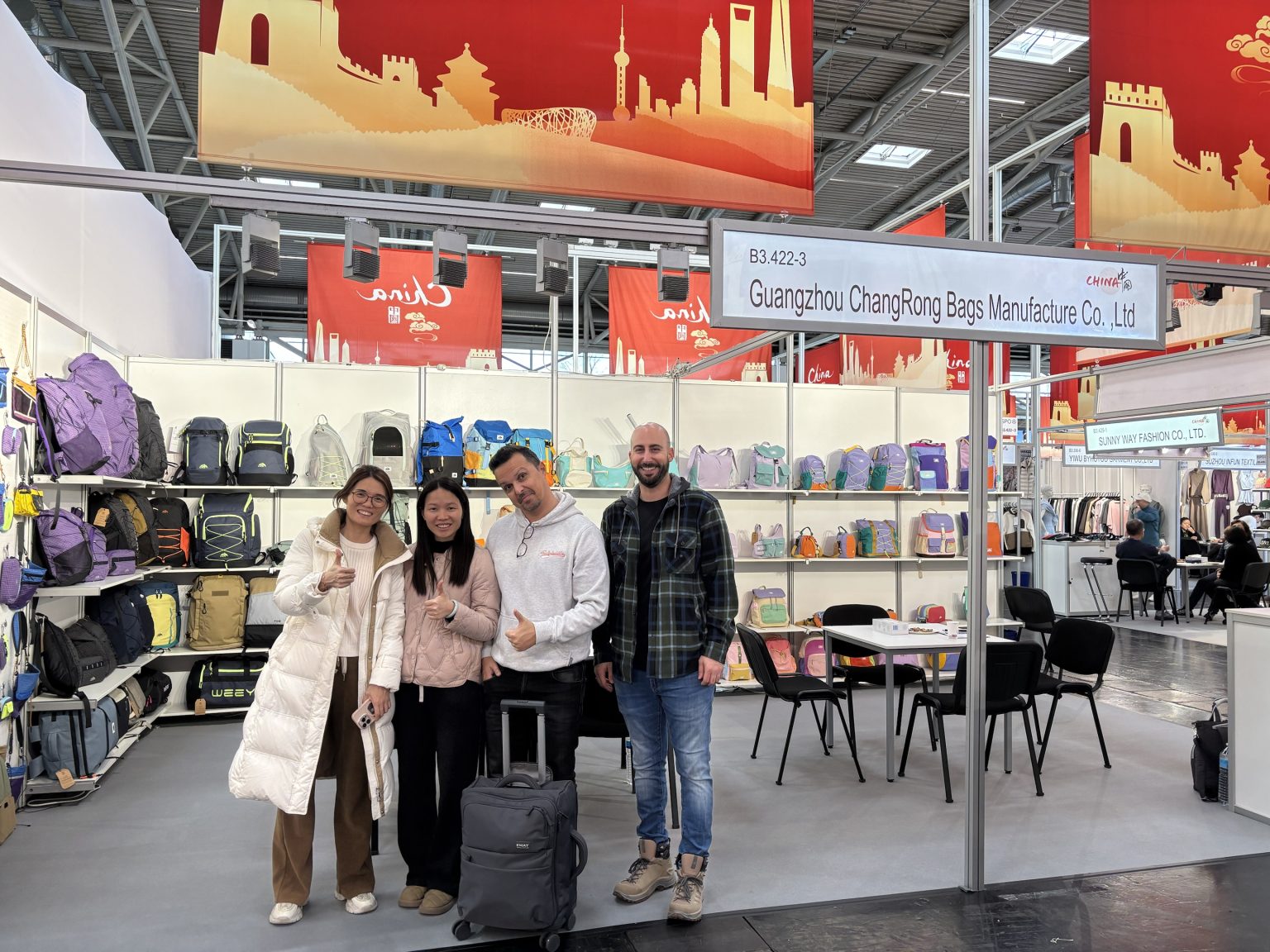
From attendance at the Canton Fair in Guangzhou and repeated inspections across Guangdong workshops, I have seen how proximity to major trade events clarifies capacity and compliance; that firsthand observation undergirds this comparison. Trade shows and regional clusters expose suppliers to global buyers and regulatory scrutiny, which raises standards for those who persist. For those investigating such clusters, one reputable example encountered there is the chinese bag supplier, which exemplifies firms that blend tailored service with measurable process controls.
Concluding Synthesis
The decision reduces to requirements: bespoke detail and rapid iteration point one toward modern custom workshops; scale and steady unit pricing point one toward seasoned makers. Each path demands clear specifications, a shared definition of quality, and regular inspection. For merchants seeking a guarded balance of design fidelity and production reliability, the solution often lies where bespoke capability meets rigorous process—precisely the blend offered through ChangRong.