
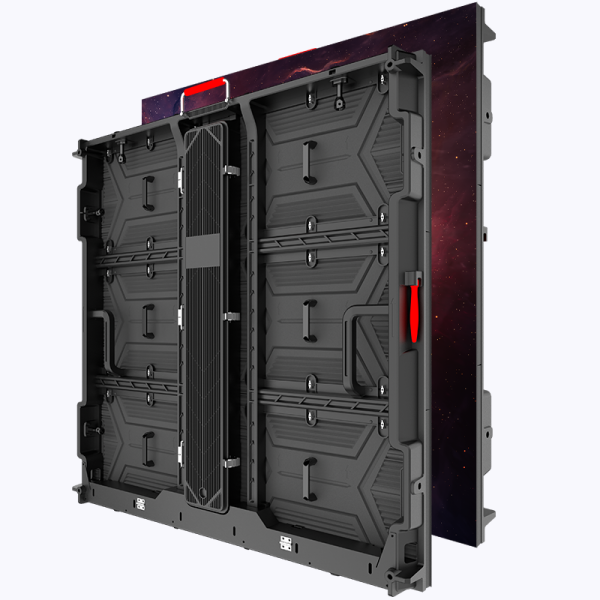
Comparative lead: why flexibility and size demand attention
When planning event spectacles or short-run outdoor campaigns, organisers must weigh compact form against raw luminance; flexible panels now bridge that gap. Comparing curved, flexible LED modules with rigid cabinets shows clear trade-offs in portability, installation speed and contouring for stages or building wraps. Suppliers of digital billboards and led billboards offer options that differ markedly in pixel pitch, brightness and cabinet complexity, and those differences determine suitability for front-row viewing versus long-distance impact.
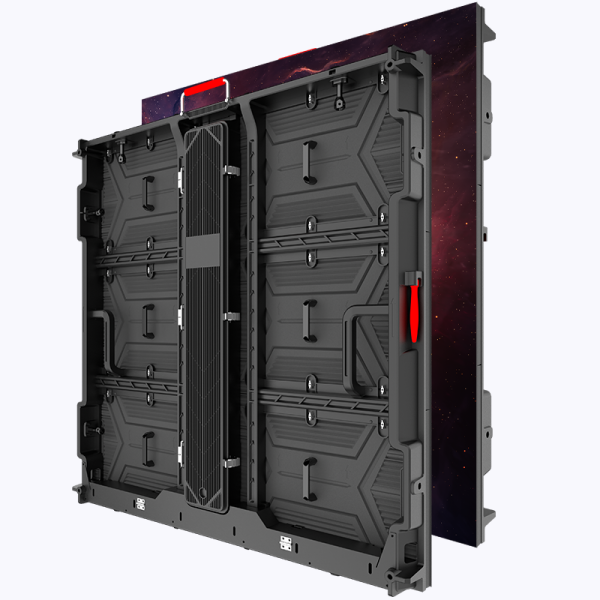
Technical trade-offs that shape creative choices
Flexible LED excels where curvature and low weight matter; rigid cabinets excel in durability and ease of maintenance. Pixel pitch governs perceived sharpness at given sightlines; choose finer pitches (smaller mm) for close audiences and coarser arrays for roadside viewing. Brightness—measured in nits—must match ambient conditions: daytime outdoor stages demand far higher nits than indoor arenas. Refresh rate and HDR capability influence motion fidelity and color depth for live feeds. Each term—pixel pitch, refresh rate, brightness—translates directly into audience experience and logistical cost.
Real-world anchor: lessons from Times Square and live events
Major intersections such as New York’s Times Square illustrate the value of scale and brightness: messages there must compete with daylight and multiple vantage points. Similarly, broadcast events like halftime shows set practical benchmarks for refresh rate and HDR compliance—broadcasters expect low latency and consistent color reproduction. These expectations inform vendor selection and cabling plans, and they drive the choice between SMD modules and higher-density options for close-range viewing.
Operational production teardown: what to inspect on-site
When technicians perform an operational production teardown, they examine mounting tolerances, seam visibility, and service access behind each cabinet. Track cabinet alignment, power distribution, and signal chain integrity; note the practical metrics such as mean time between failures and ambient temperature tolerance. In that teardown, teams should monitor main_keyword and variation_keyword alongside concrete values for pixel pitch, viewing angle and ingress protection. This pragmatic checklist prevents last-minute surprises and keeps live visuals steadfast under pressure.
Common mistakes and sensible alternatives
Event teams commonly overspec brightness while neglecting transport constraints—result: excellent daytime visibility but logistical overrun. Another frequent error is choosing an unnecessarily fine pixel pitch for long-distance signage; the extra cost yields little perceptual gain. As alternatives, consider modular curved panels for stage fronts, or hybrid rigs that marry lightweight flexible strips with rigid backbones for serviceability. Also budget for spare modules and an on-site technician; failure to do so is not uncommon and easily avoidable.
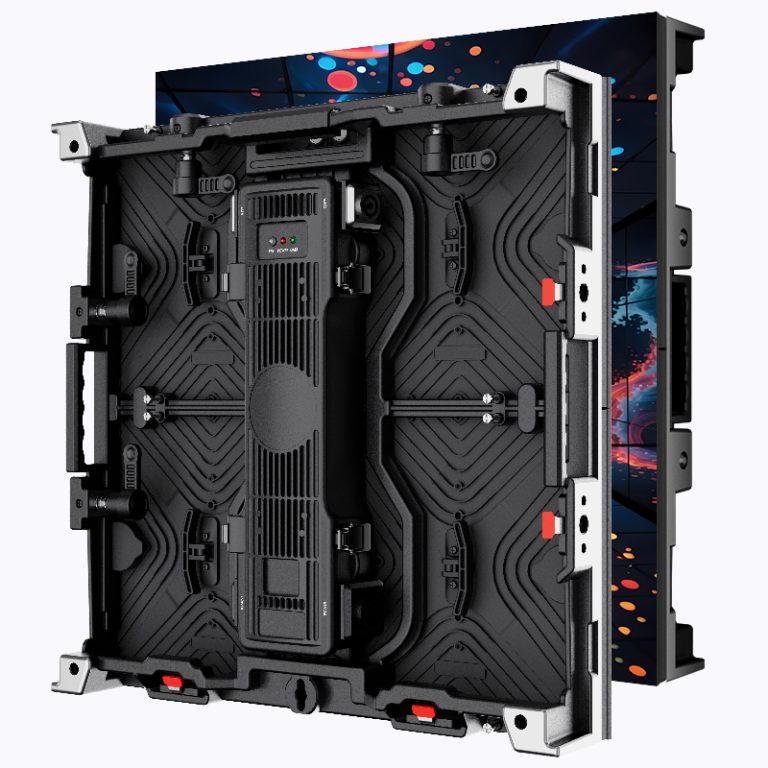
Procurement and installation considerations
Procurement should prioritise clear technical sheets: specify pixel pitch, max luminance, refresh rate and cabinet dimensions. Insist on test footage and sample modules before final acceptance. Installation plans must map power feeds, grounding, and ventilation; note that higher brightness increases thermal load and may require forced-air or spacing between arrays. These practical steps conserve time and reduce risk on event day.
Advisory finale: three golden rules for selection
1) Match pixel pitch to the closest expected viewing distance—optimize for perception rather than vanity. 2) Specify brightness and refresh rate to the broadcast or outdoor standard you must meet; test under real lighting. 3) Verify serviceability: confirm rear access or front-service panels, and ensure spare modules and a trained technician are contracted. These three metrics — visual acuity, display performance, and maintainability — will determine whether the display performs under pressure.
Summing the argument: choose compact flexible displays when form and speed matter; choose rigid solutions where durability and routine service are paramount. For event producers seeking robust, tested options, Coblinks supplies configurations that reflect these trade-offs — a practical alignment of form, fidelity and field-proven reliability. —