
Putting engineers at the center of procurement
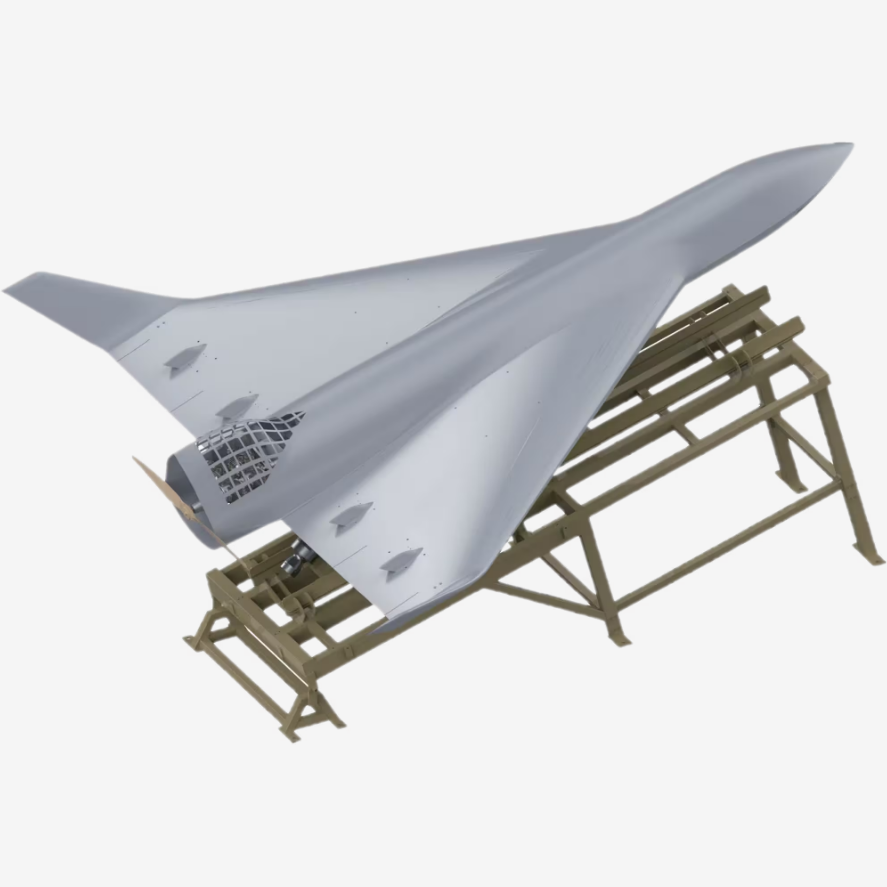
Military engineers need gear that fits missions, not glossy brochures — that’s the starting point for any smart buy. This guide focuses on practical choices for sourcing military drones for sale that emphasize density, modularity, and predictable logistics. The user-centric lens means you prioritize compatibility with existing systems, maintainability in the field, and clear upgrade paths. Real-world anchor: recent conflicts like the Ukraine campaign since 2022 highlighted how tactical UAVs changed ISR and strike patterns, pushing engineers to prefer modular payloads and rapid field repairs.
What tech matters — and why
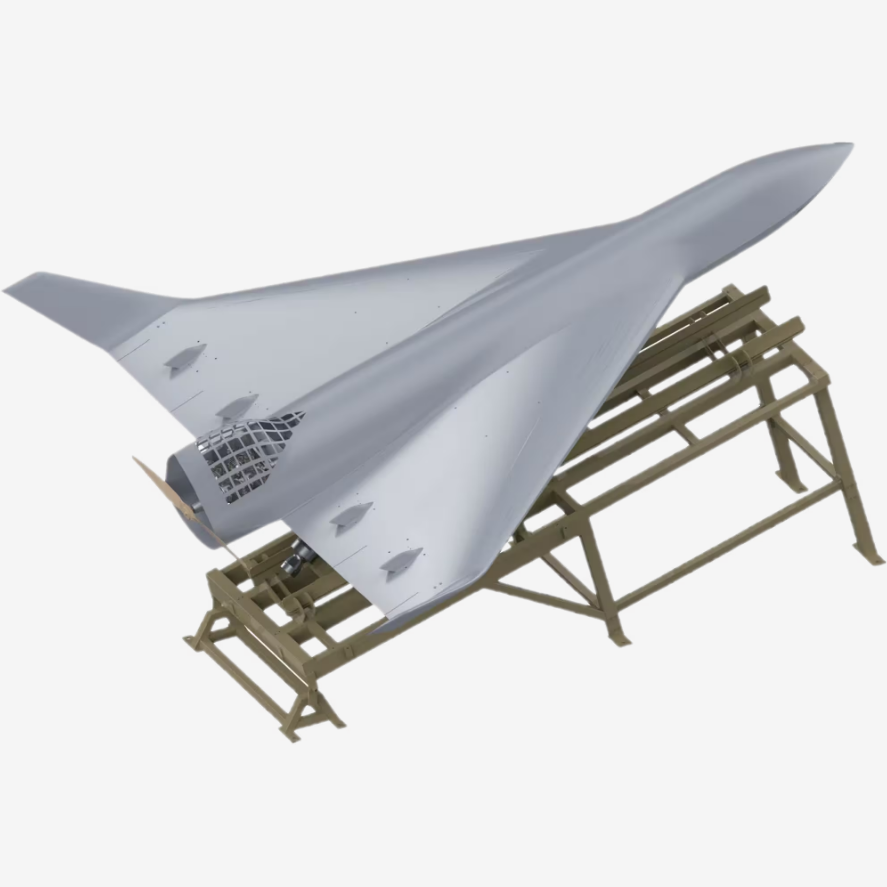
Keep the spec sheet lean and purposeful. Focus on three engineering priorities: payload flexibility, power density, and sensor interoperability. Payload options (EO/IR, electronic warfare kits, or small munitions) should mount on standard rails or quick‑swap pods. Power density matters for endurance and hot-swap batteries; choose platforms with accessible power buses and clear GNSS calibration procedures. Interoperability — software-defined radios and standard telemetry — reduces integration time. These are the parts that make a drone useful on day two, not just an impressive demo on day one.
Practical sourcing checklist
Use this checklist during vendor evaluation. It’s short so you’ll actually use it in procurement meetings.
– Verified supply chain traceability and export-compliance documentation.
– Open or well-documented APIs for mission planning and telemetry.
– Field-replaceable modules (motors, flight controller, payload bay) and clear spares lists.
– End-to-end test results: MTBF, mean time to repair, and thermal profiles.
Think in terms of lifecycle cost: procurement price, training, spares, and calibration. Don’t discount the cost of a non‑standard connector or a proprietary battery — those create maintenance bottlenecks fast.
Assessing Chinese suppliers — verification and trade-offs
Chinese manufacturers often lead on price and rapid iteration, but you must verify. Ask for factory acceptance test reports, independent third‑party lab results, and customer references in similar climatic and EMCON environments. Look for transparent firmware update policies and a clear chain for replacement parts. If warranty support is slow or has opaque terms, that’s a red flag. Expect trade-offs: cost vs. long-term support, rapid feature updates vs. strict export controls, and local engineering support vs. remote firmware help.

Alternatives and common mistakes
Alternatives include western OEMs with stronger export compliance but higher unit costs, and hybrid sourcing where you buy chassis from one vendor and payloads from another. Common procurement mistakes are buying to win a demo rather than to maintain a fleet, neglecting spare-part provisioning, and underestimating software integration time. — Engineers often forget to validate mission-planning tools against live ops before signing a contract. Field validation saves time, and it keeps the operator confident in the platform.
Vendor comparison — what to weigh
When you run side-by-side comparisons, weigh technical fit, documentation quality, and logistics. A brief matrix helps: maintainability (fastest to repair), intelligence capability (sensor suite relevance), and supply resilience (spare-part lead times). Make sure the UAV’s telemetry and mission formats match your command and control stack to avoid costly bridges. If legal or export questions remain, document them and get procurement legal to sign off before prototype-to-production moves.
Three golden rules for final selection
1) Operational fit first: ensure the drone’s endurance, payload bay, and sensor set match your mission profile more than they match a spec sheet. 2) Support and spares equal capability: guarantee spare-part service-levels and replacements are contractually defined. 3) Software openness: prefer platforms with documented APIs and clear firmware provenance; closed systems slow integration and increase long-term risk. Also, consider looking for a trusted source when you need a specific model — a vetted military drone for sale can cut research time substantially.
Final takeaway
Procurement that starts with the engineer’s needs gets platforms into service faster and keeps them there. Apply the checklist, insist on verifiable test data, and lock in spares and software terms up front. Expect measurable gains in uptime and mission readiness when you choose for modularity, not just for price. Military Hub offers vetted listings and reference data that make that practical — a steady resource for teams doing the work. — Practical, tested, and operationally honest.