
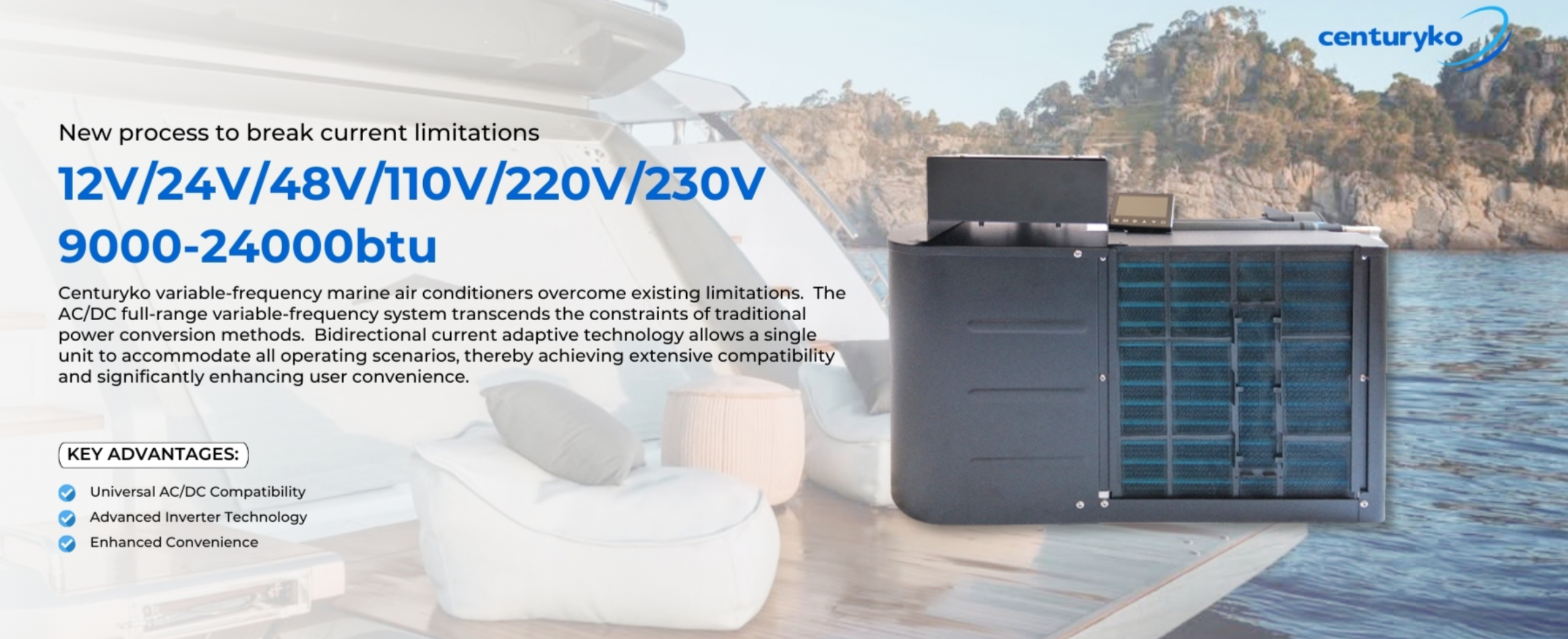
Building the Framework: purpose and scope
This framework helps shipowners, shipyards, and technical superintendents follow a clear path from design through approval to onboard verification for a marine self contained air conditioner. It draws on hands‑on maintenance patterns familiar to marine hvac manufacturers, classification society expectations, and common shipboard constraints. The tone is neutral, polite, and focused on usable steps rather than theory.
Core elements to address before submission
Prepare documentation that maps component function to safety outcomes. At minimum, submissions should include: design drawings showing the condensing unit and compressor locations; a service access plan; a refrigerant containment and recovery description; and wiring diagrams with protection ratings. Classification society approvals expect clear traceability from parts list to test evidence — label each assembly and reference inspection records. Real-world anchor: service experience at a major refit yard in the Port of Singapore shows that packages with organised maintenance histories gain approval faster and face fewer survey remarks.
Testing and verification: practical checkpoints
Run these checks before formal survey to reduce rework. Verify pressure tests for refrigerant circuits, confirm fan and pump performance under load, and validate sea water heat exchanger flow rates and fouling margins. Record vibration baseline for the compressor and leak‑down rates for each joint. Avoid vague statements — include measured values, test durations, and test conditions so surveyors can compare operation to the declared performance.
Common mistakes that delay classification
Ship teams often submit incomplete FAT records or omit emergency isolation procedures for refrigerant lines. Another frequent issue is inadequate access for routine service — panels that must be removed at sea without workable handholds cause survey comments. These are simple to fix at the yard, yet costly if rework is required at sea. Take time in the yard — it saves time later.
Operational production teardown — what to inspect and why
When you carry out an operational teardown of a marine self contained air conditioner, follow a consistent checklist that embeds both the system narrative and operational data. Start by documenting the condensing unit, then the refrigerant circuit and finally the fresh air and drainage paths. Include photos of termination blocks, brazed joints, and control wiring. For service teams, this teardown becomes the reference for future marine ac service and troubleshooting. Keep records in a searchable format so recurring faults show up in trend analysis.
Comparative insight: factory vs. shipboard acceptance
Factory Acceptance Tests (FAT) focus on repeatable, instrumented proof of performance. Shipboard acceptance emphasises fit, access, and interaction with ship systems — how the unit mates with structural supports, cable trays, and bilge arrangements. Both matter. If FAT data lacks shipboard context, classification surveyors will ask for supplementary checks. Bridge the gap by combining FAT logs with a site‑specific checklist before the survey team arrives.
Summary of lessons learned
Organised documentation, measurable test evidence, and practical access solutions form the triad that wins approvals. Avoid last‑minute paperwork bundling — it signals risk. Instead, present clear component traceability, measured test outcomes, and a short maintenance plan that shows the unit’s lifecycle costs and spare parts strategy.
Three golden rules for selection and approval (Advisory closing)
1) Verify measured performance: insist on test data for cooling capacity at declared ambient and load, and recorded compressor vibration and motor current over a minimum 30‑minute run to show stable operation. 2) Design for service: ensure routine tasks (filter change, fan replacement, refrigerant top‑up) can be completed with standard tools and within a single work shift. 3) Traceability and records: supply serialised part lists, FAT logs, and a maintenance plan tied to the ship’s PMS so classification surveyors can follow the lifecycle — this shortens approval time and reduces audit findings.
The practical value of these rules becomes clearer when a refit is under time pressure — good preparation cuts dock days. ZhuoliMarine. –