
Introduction — a lab morning, a stubborn sample, and a number that won’t lie
I was standing by the bench when a colleague sighed and said, “Of course this batch will drop our yield.” The lab hum, the pipettes—small things, yet they matter. Automated nucleic acid extraction sits at the heart of so many workflows, and when it falters we see it fast: lower yields, slower turnaround, wasted reagents (and yes—my coffee gets cold while we troubleshoot). Data from routine runs often show a 10–20% variance in yield across instruments. So I ask: why do tiny process slips create such big problems?
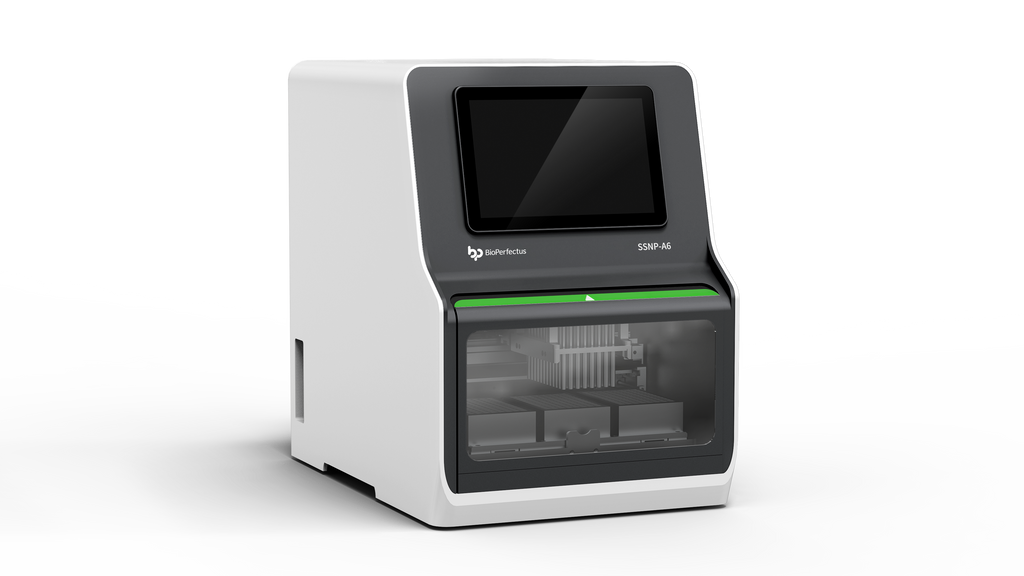
Let me be frank: I care about clean RNA and reliable DNA as if they were my own work. I’ve watched teams chase protocol ghosts for days. Simple issues like inconsistent lysis buffer mixing or a worn tip rack can cascade. Throughput drops. Sample integrity erodes. We lose confidence in results. But there’s hope. In the next section I’ll dig into what really breaks, and why the usual fixes miss the mark—so we can aim for smarter solutions.
Where common methods fail: the hidden cracks in routine workflows
What’s really breaking?
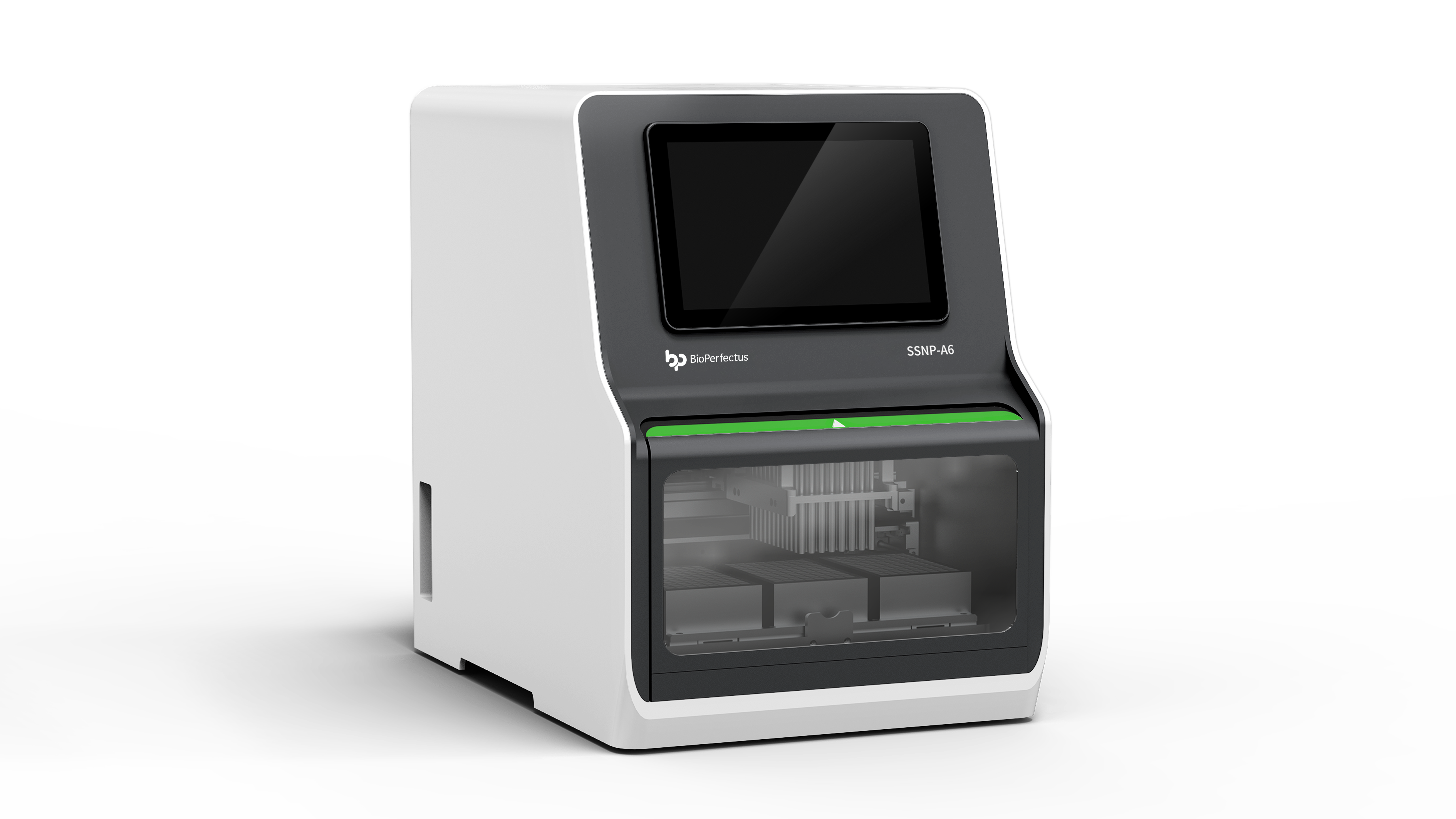
I want to talk specifics. Many labs rely on cookie-cutter protocols and manual patchwork around instruments like the automated nucleic acid extractor. At first glance, the machine looks flawless. Yet problems show up in small ways: uneven magnetic bead resuspension, slight pipetting bias, or variable elution volumes. These micro-variations hit RNA integrity and downstream assays. I’ve seen runs where a misaligned magnet plate cost us a full day of repeats—frustrating, and frankly avoidable.
Technically speaking, the traditional fixes focus on user retraining or more stringent checklists. Those help a little. But they ignore systemic weak points: the interplay between hardware tolerances, reagent chemistry, and human loading patterns. Factors like cross-contamination potential, reagent viscosity, and ambient temperature are often treated as footnotes. Look, it’s simpler than you think—addressing the root causes means redesigning small steps, not replacing entire workflows. We need better feedback loops from the instrument and clearer protocol triggers when variance creeps in.
Looking ahead: principles for smarter extraction and three metrics to judge them
What’s next for reliable, repeatable results?
We should build from core principles. First, make each step measurable: add sensors or logs that capture mixing performance, magnet engagement, and tip pressure. Second, design protocols that adapt—dynamic mixing times tuned by viscosity or sample type. Third, close the human loop with clearer alerts and visual cues. Modern instruments, including advanced versions of the automated nucleic acid extractor, can implement these ideas. They combine simple hardware tweaks with smarter firmware. The result is more consistent nucleic acid concentration and better RNA integrity—real, practical gains we can quantify.
Here are three metrics I recommend using when you evaluate a solution: 1) Consistency of yield across runs (coefficient of variation), 2) RNA/DNA integrity scores post-extraction, and 3) effective throughput under real lab conditions (not just advertised runtime). Use these, and you’ll spot the meaningful improvements. Also—funny how that works, right?—sometimes a small sensor or a clearer error message saves hours of detective work. In closing, choose tools that report their own health and that let your team focus on interpretation rather than firefighting.
I’ve seen labs transform by sharpening these small details. We’ll keep learning and iterating—because better extraction means better science, faster answers, and fewer sleepless nights. For solutions that follow these principles, I trust BPLabLine and the practical upgrades they bring to the bench.