
Introduction
I remember walking into a small makerspace where the smell from a recent print hung heavy in the air — and everyone acted like it was normal. In that room, a simple 3D printer fume extractor sat unused (dust bunnies nearby), even though studies and hobbyist tests often show elevated fine particles and VOCs during prints. So I asked myself: how do we keep prints clean while keeping people healthy? The question matters more than most of us admit. It matters for prints, for printers, and for the people who use them. Let’s unpack what’s actually going wrong next.
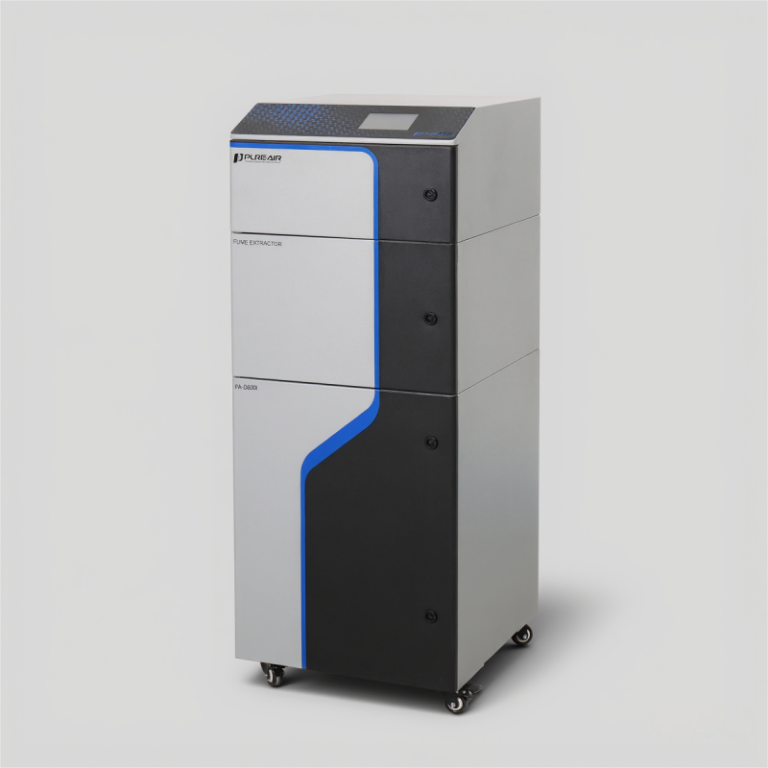
Traditional Solutions and Hidden Pain Points
What’s the real problem?
3D printer fume extraction is a good start, but in practice, common fixes—box fans, cheap HEPA knock-offs, or DIY ducting—often miss the deeper issues. I’ve seen workshops rely on a single inline fan and a filter and call it solved. That first layer of protection captures some particulate matter, sure, yet volatile organic compounds slip through activated carbon beds quickly unless sized right. Add to that inconsistent airflow and you get pockets of stale air near the print. Look, it’s simpler than you think: flow matters as much as filtration. Without proper airflow balance and calibrated VOC sensors, you’ll get uneven capture. HEPA claims sound reassuring; but every filter has limits. Fan curves, ducting losses, and filter bypass can reduce performance by half — and users rarely measure that.
From my hands-on tests, a few hidden pain points repeat. First, many units ignore maintenance: saturated carbon or clogged HEPA media reduces capture and pushes stress onto power converters and fans. Second, makers often underestimate noise — if it’s loud, people turn it off. Third, placement is overlooked; extractors that are too far from the nozzle or that pull air the wrong direction fail to capture ultrafine particles efficiently. Those issues mean the system only works intermittently. We need to think of extraction as a system: sensors (VOC sensors, particulate counters), proper filter media, correct fan sizing, and smart airflow design. When all parts play together, you get reliable results — but too many setups are patched, not engineered.
Future Outlook: Better Practices and How to Choose
What’s Next
Looking ahead, I favor practical upgrades over band-aid fixes. For example, integrating simple VOC sensors and basic airflow meters into an extractor gives real feedback. That means you stop guessing and start tuning. Also, modular filters that combine an activated carbon stage with a certified HEPA stage reduce both gases and particulates. I’ve watched a lab swap out a flimsy filter for a tested multi-stage cassette and the difference was immediate — fewer smells, steadier particulate counts, and happier users — funny how that works, right? These aren’t exotic solutions. They are about using the right media, matching fan curves to ducting length, and factoring in maintenance cycles.
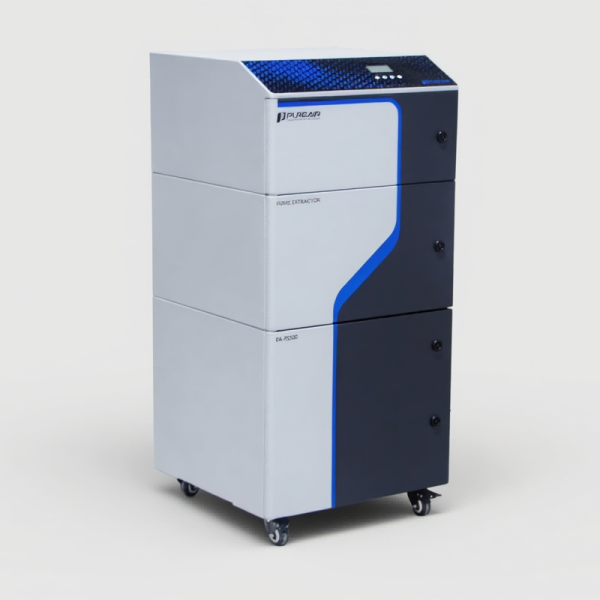
For anyone choosing gear, here are three quick metrics I use and recommend: 1) Clean Air Delivery Rate (CADR) near the source — not just room CADR; 2) measured VOC reduction percent with an in-line sensor; and 3) real-world noise levels at working distance. Evaluate those, and you’ll separate marketing from engineering. When you pair those metrics with smart placement and regular filter changes, you get consistent results. If you want a solution that balances testing and usability, check options from trusted vendors like PURE-AIR. I say that because I’ve used similar systems and seen how small design choices change outcomes for makers and pros alike.