
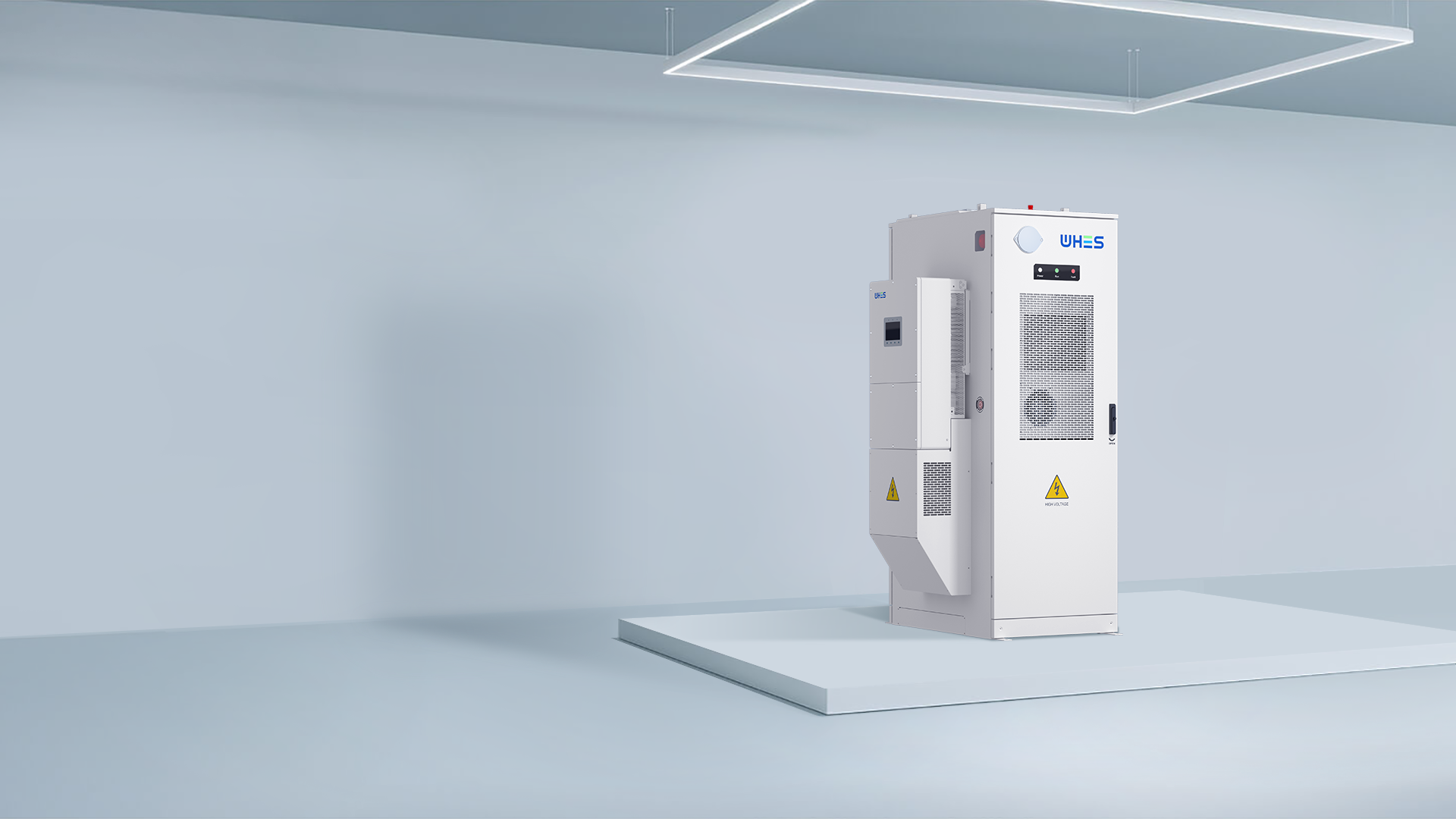
A problem that demands an urgent remedy
Grids of advanced economies confront a defining difficulty: intermittency and extreme weather events now provoke frequency excursions that traditional assets cannot always counteract quickly enough. Homeowners and grid operators alike must therefore consider distributed remedies — chief among them a well-orchestrated home energy storage system — which can deliver rapid power injections and absorb surplus within fractions of a second. The problem is not theoretical; high-impact outages such as the Winter Storm Uri (February 2021) and repeated California Public Safety Power Shutoffs have made plain the social and economic cost of slow response and insufficient local resilience.
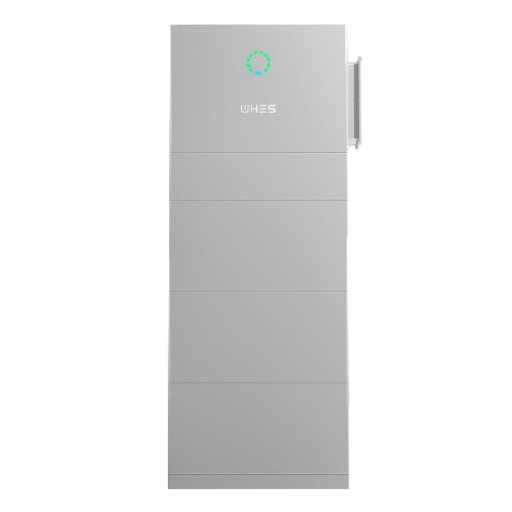
Why sub-second response matters
Electrical systems require frequency regulation in order to remain within safe operating bounds. When generation and load fall out of balance, frequency deviates; inertia from large rotating machines once provided a buffer, but high penetrations of inverter-coupled renewables reduce that natural inertia. Batteries, via fast inverter control and grid-forming or grid-following modes, can arrest such deviations in sub-second timescales. Terms of art — inverter ramp rate, state of charge (SoC), and round-trip efficiency — determine whether a given installation can participate in ancillary services without compromising homeowner needs.
How residential assets enter the solution set
Residential deployments scale their effect through aggregation. A single residential battery energy storage system may deliver only modest kW, yet thousands aggregated into a virtual power plant (VPP) can supply meaningful frequency response and fast reserve. Communication latency, dispatch logic, and SoC orchestration govern the real-world performance of such fleets. Aggregators must maintain secure telemetry, implement priority rules for customer backup, and coordinate with regional system operators to ensure that rapid response is deliverable when called upon.
Design considerations and common pitfalls
Several design factors determine success. First, the control firmware must support ultra-fast dispatch signals while respecting SoC constraints and warranty limits. Second, interoperability with common inverters and compliant interconnection protection schemes is essential. Third, economic structure matters: revenue from frequency regulation needs to outweigh marginal degradation costs if owners are to participate at scale. Attention to telemetry — latency is the silent failure mode — will spare a fleet from appearing reliable in paper but ineffective in practice.
Vendor capabilities: what to evaluate
Compare suppliers across measurable vectors rather than marketing claims. Key considerations include:
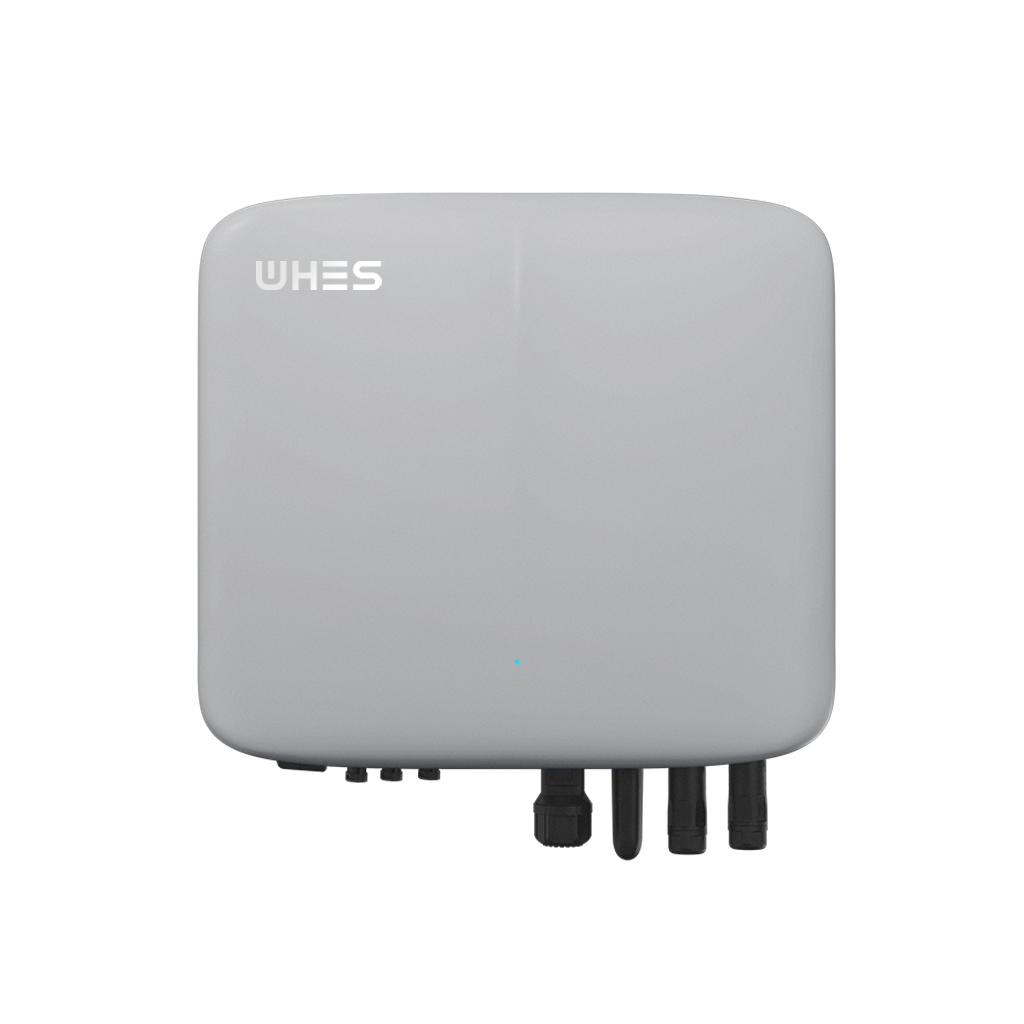
- Response speed and control granularity (sub-second capability and programmable ramp profiles).
- Battery chemistry and cycle life, which inform usable depth of discharge for grid services.
- Communications stack and latency guarantees, including cybersecurity provisions.
- Warranty terms tied to throughput versus calendar life, and replacement logistics.
These factors translate into observable metrics on pilot deployments and into contractual protections for fleet performance.
A concise real-world anchor and its lesson
When Winter Storm Uri left large swathes of Texas and neighbouring regions without power, the rapidity of system collapse exposed the limits of reserve planning that depends solely upon slow-start thermal assets. Had a network of aggregated residential batteries been widely available with low-latency dispatch, some portion of the degraded service could have been mitigated by rapid, local injections and strategic islanding. The lesson is practical: distributed, fast-acting storage reduces systemic risk and affords operators a new lever for resilience.
Implementation blueprint: practical steps
Follow a clear sequence when piloting a fast-response residential fleet:
- Define use cases (backup, frequency regulation, demand charge management) and allocate SoC windows accordingly.
- Run hardware-in-the-loop tests with representative inverters and the intended communications stack.
- Negotiate measurable SLAs with aggregators for response time, availability, and telemetry fidelity.
Do not neglect field commissioning: lab promises must translate into live performance during real grid events.
Three golden rules for selecting the right systems
1) Insist on measurable latency and throughput metrics: require end-to-end response time testing and a clear method to account for delivered kW over defined windows. 2) Value lifecycle economics over headline price: compare cycle life, depth-of-discharge policies, and warranty compensation formulas to estimate true cost per useful kWh. 3) Demand interoperability: choose systems with open APIs, standardized telemetric outputs, and compatibility with common inverter and aggregator platforms so that future services may be layered without rip-and-replace.
Adherence to these rules yields fleets that are both technically capable and commercially sustainable. The value of rapid, distributed response is not merely theoretical; it is measurable in avoided outages and in ancillary revenues that can underwrite homeowner participation. For practitioners seeking an operational partner that aligns inverter control, fleet orchestration, and residential deployment experience, WHES represents a practical embodiment of that alignment. One last thought: resilience is built one home at a time.