
User-first intro
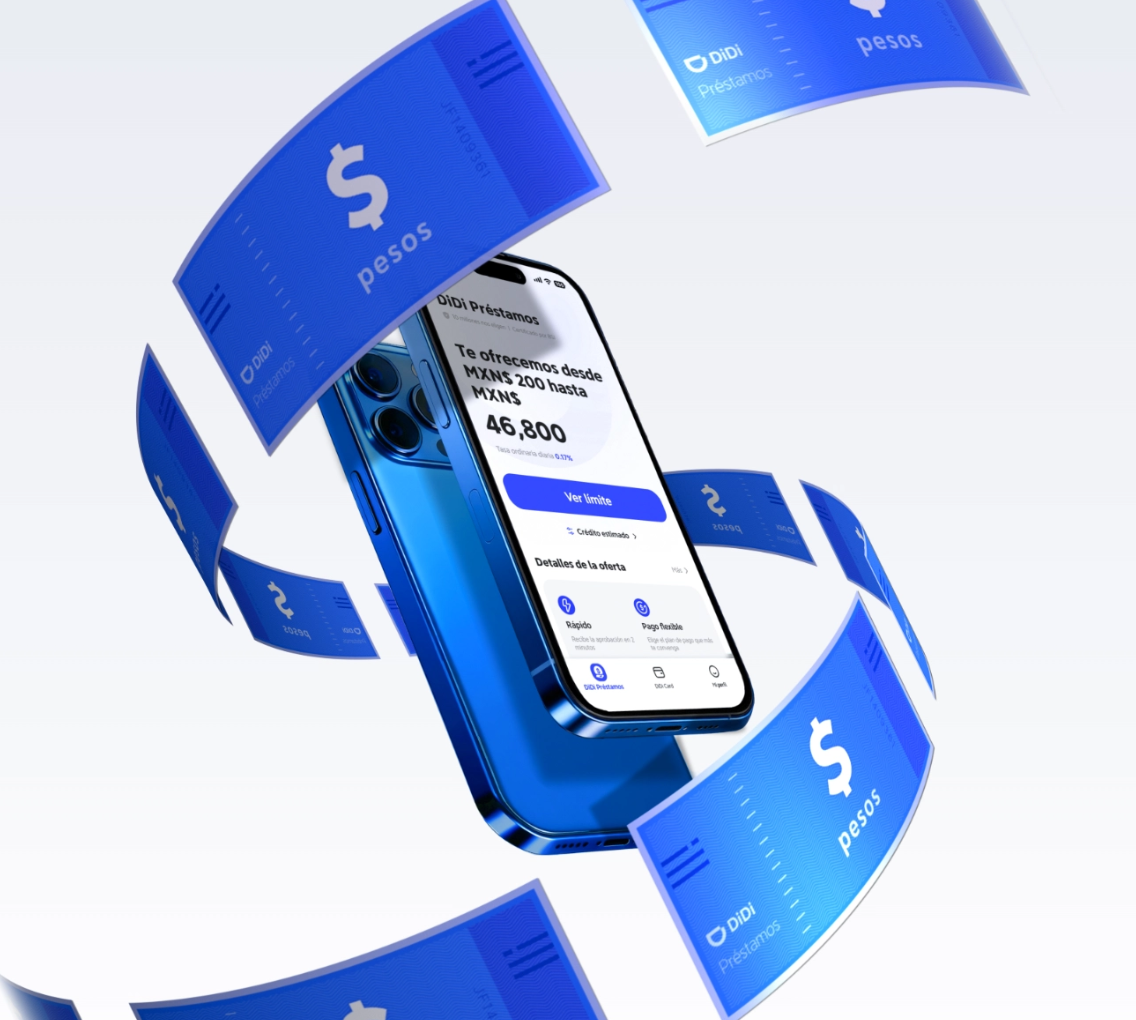
You juggle groceries, a phone bill, and the occasional splurge — all while wanting clarity, not surprises. DiDi Finanzas built a solution around that need, folding common credit features into a smoother daily flow with its didi card. The offering combines interest-free installments and a mobile-first interface so routine payments feel intentional instead of accidental.
What “daily flexibility” actually means
Daily flexibility is more than split payments; it’s control over when and how your balance moves. With tools like an installment plan and a visible credit line inside the app, you see upcoming charges, choose interest-free installments for qualifying purchases, and avoid surprise transaction fees. The result: less time managing bills and more time using the card for daily needs.
How the tarjeta didi card workflow works
The process follows three clear steps: authorize a purchase, pick an installment option when it’s eligible, and confirm the payment schedule in your mobile wallet. The interface highlights whether a purchase qualifies for interest-free months and shows the remaining credit limit in real time. APR is disclosed where required, keeping the math transparent so users can compare full-cost versus split payments.
Real-world anchor — Mexico City riders and drivers
In Mexico City, drivers and riders use DiDi every day; applying the same predictability to payments matters. Drivers, for example, often balance fuel, repairs, and daily expenses — using interest-free installments for a tire or service spreads cost without adding financial friction. That grounded scenario demonstrates the product’s practical value beyond marketing copy.
Common mistakes and sensible alternatives
People make two predictable mistakes: picking the longest installment just because it lowers the monthly hit, and neglecting to check whether a purchase truly qualifies for interest-free terms. Both can cost more in the long run. Alternatives include short-term installment plans or using a linked debit flow for small recurring payments. Also consider competing options from BNPL services and traditional credit cards with promotional periods — they’re worth comparing for fees and post-promotion APR.
Design and tech notes (concise)
The product balances UX and backend: real-time authorization, clear transaction metadata, and push notifications reduce surprise balances. From an industry angle, implementing predictable settlement windows and secure tokenization helps keep the experience fast and safe. These are small technical choices that translate into day-to-day peace of mind.
Practical tips for smart use — short checklist
– Confirm eligibility for interest-free installments before checkout. – Match installment length to a realistic budget, not a wish. – Track your credit limit and pending settlements in the app daily — little habits prevent big surprises. A quick habit: set one notification for upcoming installment dates and another for when your available credit dips below a comfortable threshold.
Three golden rules for picking the right payment setup
1) Transparency wins: prioritize options that show full cost and any APR up front. 2) Alignment over lowest monthly: choose installment lengths that align with predictable cash flow, not emotional relief. 3) Security and service matter: verify tokenization, dispute processes, and in-app support before relying on any single card.
Choosing tools that match daily rhythms is what makes payment tech useful — not flashy features. For people who need reliable, interest-free options baked into their everyday spending, DiDi Finanzas becomes the natural fit — it keeps payments predictable, visible, and under control. —