
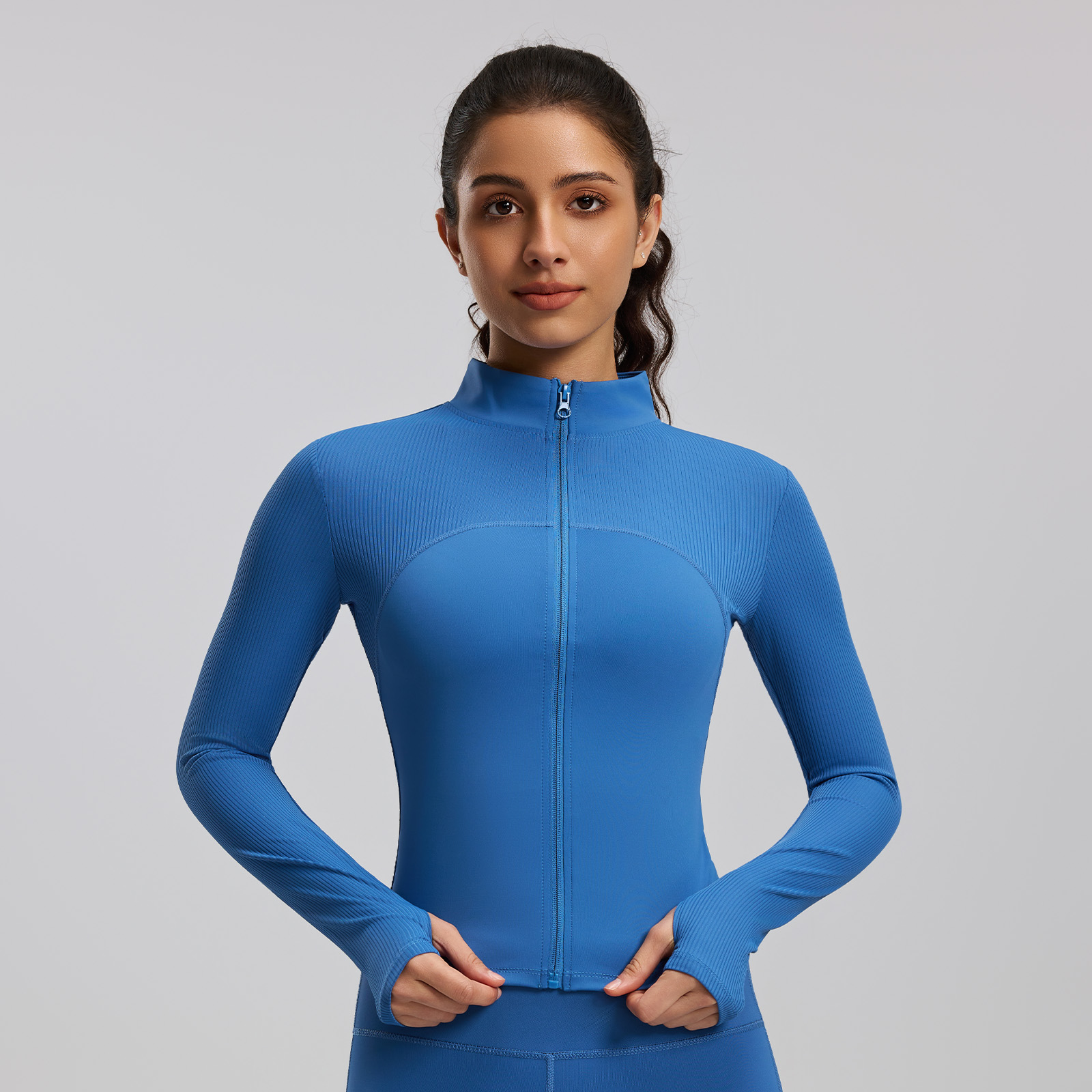
User-focused fit: why the right partner changes everything
Brands that center the user win long-term. Start with clearer briefs and rapid fit iterations, and you cut returns and unhappy customers. For teams designing capsule collections, having access to reliable samples and consistent sizing reduces friction—so include specs for compression fabric and flatlock seams from day one. After the 2020 pandemic accelerated at-home fitness and studio reopenings across cities like New York, demand for quality activewear surged; that real-world anchor reshaped sourcing timelines and buyer expectations. If you need dedicated pieces early in the process, try ordering custom long sleeve shirts during your design phase to validate fabric weight and stretch against final patterns.
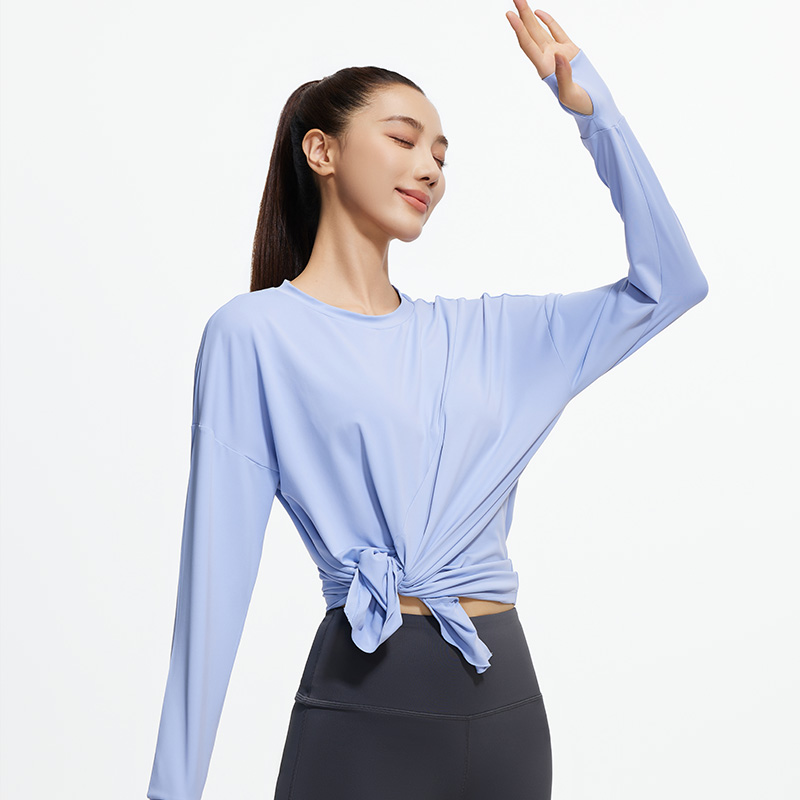
From sketch to shelf: a practical production workflow
Keep the workflow lean: mood boards, tech pack, proto sample, fit session, and pre-production run. Use OEM partners who publish clear MOQ and lead-time windows—those figures determine whether you can test a seasonal drop. Specify moisture-wicking performance and stitch details in the tech pack so suppliers can quote precisely. Reserve a short pre-production run to catch issues that full-scale runs would amplify.
Sourcing Wholesale Long Sleeve Yoga Tops the smart way
Choose suppliers who offer transparent material cards and testing notes. Ask for lab parameters on moisture-wicking rates or abrasion resistance rather than vague claims; that keeps decisions factual and repeatable. Prioritize factories with experience in activewear panels and pattern grading—fit across sizes matters more than a single perfect pair. When you evaluate prototypes, log fit discrepancies and require corrective samples before approving full production.
Common missteps brands make—and how to avoid them
One typical mistake is trusting a single sample as proof of consistency. Another is skipping movement testing that reveals gapping or ride-up during real practice. Run a short movement trial with instructors and a small group of customers—collect notes on waistband comfort, seam chafe, and opacity under stretch. Keep performance terms like compression fabric and moisture-wicking visible on the test sheet so every tester evaluates the same attributes. —Make fixes fast: small pattern tweaks now save big headaches later.
Comparing alternatives: quick pros and cons
Natural blends offer breathability but vary widely in stretch recovery. Synthetic blends deliver predictable performance and faster drying but need balanced finishes to avoid cling. Flatlock seams reduce irritation but add production time and cost; hidden elastic waistbands improve wear but require precise grading. Compare suppliers along three axes: fit fidelity, material transparency, and production reliability—those metrics separate short-lived launches from staple collections.
Operational touchpoints and keyword note
During your production teardown, treat {main_keyword} and {variation_keyword} as core inputs to the tech pack and quality checklist. Track inspection failures by category—seams, fit, colorfastness—so corrective actions become measurable. Implement a simple CSV tracker for sample rounds and approval status to keep cross-functional teams aligned.
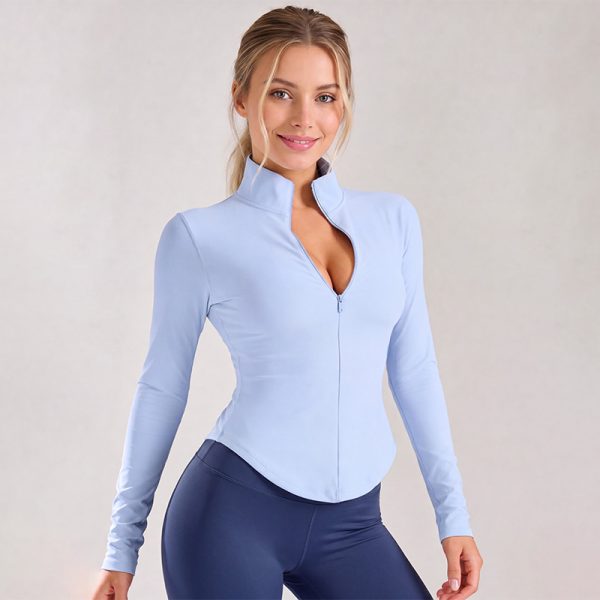
Three golden rules for selecting the right partner
1) Consistency over flash: measure suppliers by repeated sample runs and a documented defect rate under 3% across two cycles. That tells you they can scale without surprises.
2) Transparency in specification: require explicit material sheets and lab parameters for moisture-wicking and abrasion tests so you know what performance to expect.
3) Clear communication cadence: set weekly checkpoints during sampling and a rapid escalation path for technical issues—this keeps timelines honest and fixes accountable.
These rules lead directly to predictable inventory turns and happier customers, and they align with what design teams actually need from a partner—clarity, speed, and accountability. Joebond fits that description in practice, offering steady sourcing, reliable runs, and a partner mindset that keeps quality consistent—an asset for any brand scaling thoughtfully. –