
What should buyers ask when procuring explosion‑proof industrial lighting?
Start with who will use the outcome
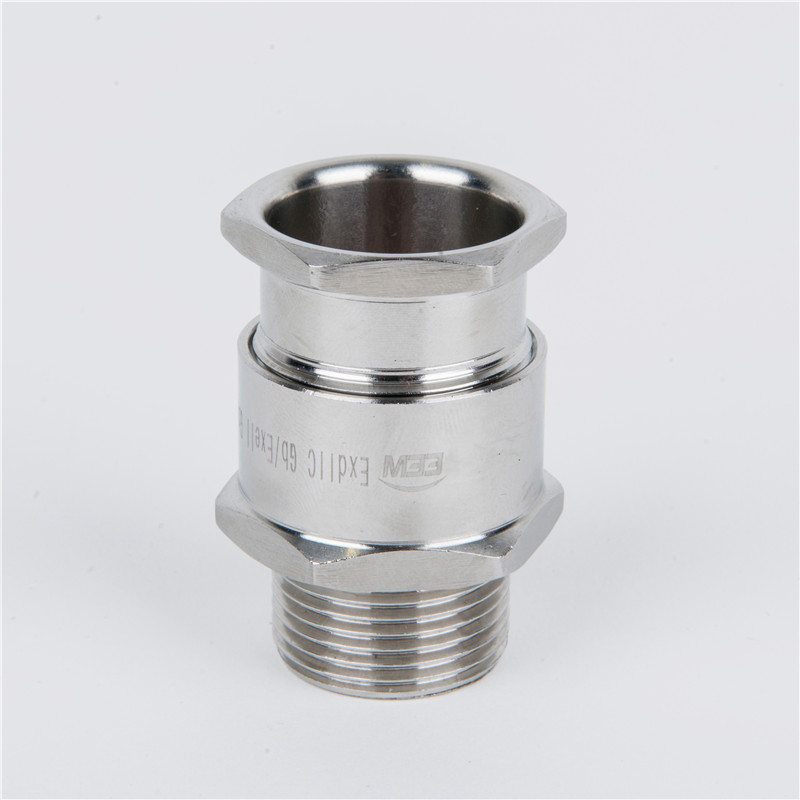
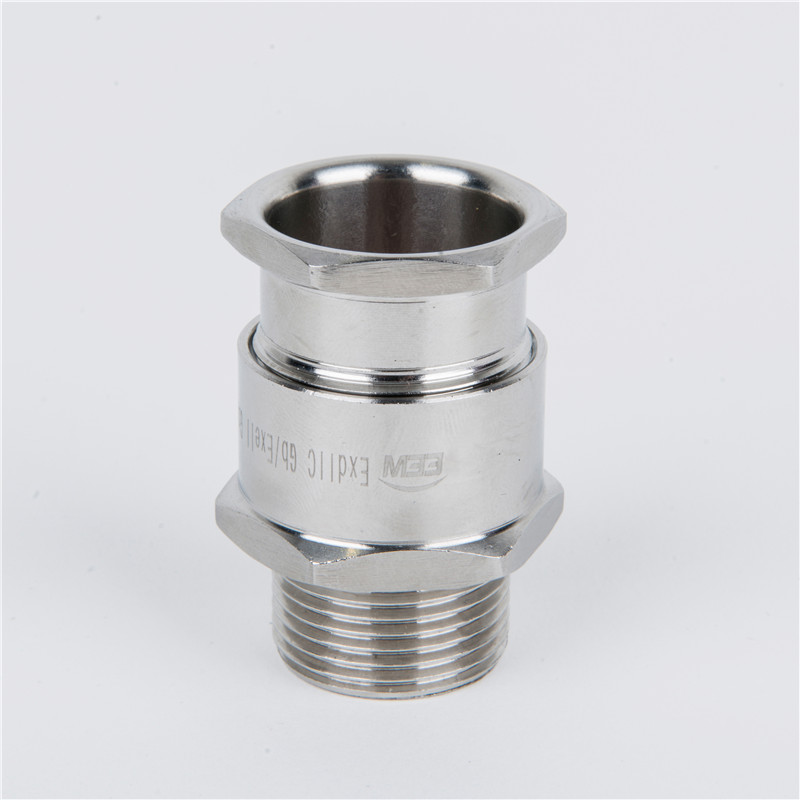
Think about the people who will operate, inspect, and live with the lights day after day: operations teams, maintenance crews, site safety officers, and external contractors. Early conversations about access, expected operating patterns, and spare-part ownership often bring up accessory needs—like an explosion proof cable gland—that affect procurement choices and lead times.
Assemble the right stakeholder table
Your procurement will succeed when roles are clear. Who signs off on functional acceptance? Who coordinates site access for delivery? Who owns warranty liaison and who manages contractor interfaces? List names, decision thresholds, and a single point for supplier communication so questions don’t bounce between teams.
Questions to ask suppliers and the engineering lead
Frame procurement decisions as direct questions for qualified suppliers or engineers rather than technical prescriptions. Ask: What installation and handover responsibilities will your team assume? How do you handle nonstandard site constraints and packaging for restricted access? Can you describe typical lead times and the milestone contacts for order tracking? When discussing cable and gland accessories, include a clear question about compatibility with an ex proof cable gland so the supplier explains how they coordinate those items with the lighting package.
Procurement checklist phrased as buyer questions
Use a simple checklist that converts requirements into queries: Who verifies field conditions before fabrication? Who approves final drawings? What are the contingency plans for delayed deliveries? Who arranges spare parts and where are they stored? Who coordinates training for site staff, and who verifies receipt of documentation? Keeping each item a question forces suppliers to state responsibilities rather than leaving them implied.
Common pitfalls buyers should watch for
Mismatches in responsibility are the most frequent cause of cost and schedule slippage: unclear handover points, unstated accessory procurement, and vague packaging or delivery constraints. Missing those details early creates late changes. Avoid assuming that a single quote covers every site-specific need—confirm scope, exclusions, and the escalation path for unexpected conditions.
Contract, delivery and project coordination questions
Turn commercial terms into operational questions: How will delivery windows be guaranteed and what information is provided for customs and site permits? Who coordinates sequencing with other trades on site? What documentation accompanies each shipment, and who verifies it on arrival? Ask how spare parts and replacements are handled over the contract term so you don’t discover gaps after acceptance.
Bringing buyer intent to a clear, workable outcome
Your role is to translate operational needs into precise questions so suppliers and engineers can answer in one clear pass. Keep responsibility lines explicit and schedule checkpoints tight. When procurement, engineering and site teams speak the same language of questions and answers, the result is fewer surprises and smoother handovers—exactly the practical value that sunleem aims to support through coordinated supply and clear documentation.