
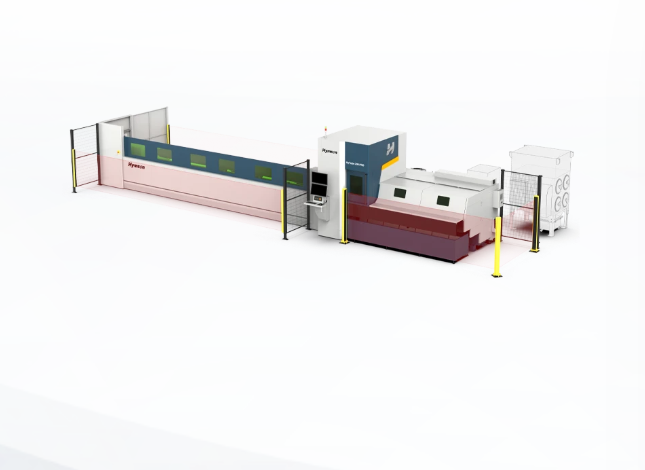
Planning Installation and Integration for High-Speed Laser Cutting of Steel Plates: A User-Centric Guide
Opening: Your Practical Starting Point
Please consider site needs before machine arrival. If you plan installation and integration for steel plate cutting, choose a machine that matches throughput and shop discipline. For many small to mid-size shops, a high speed laser cutting machine provides the needed balance of speed and footprint. Keep initial requirements simple: material thickness range, daily runtime, and preferred nesting software.
What Users Actually Need to Decide First
Decide three items at once: power class, sheet handling, and safety zoning. Power determines cut quality and speed; handling defines cycle time and labor; safety zoning sets building modifications. Write these as checkboxes and confirm them with your operators. This will avoid late-stage changes that cause downtime.
Site Preparation and Practical Layout
Measure clearances precisely. Floor flatness, crane access, and electrical distribution matter. Provide a dedicated 3-phase feed sized for the machine plus 20% margin. Plan extraction points near the nozzle and along the part drop area. If possible, reserve a bench for routine nozzle and lens swaps close to the machine to reduce walk time.
Integration with Existing Workflow
Match software handoffs to your nesting and ERP. Confirm file formats, naming conventions, and part-tracking tags. Test a dry-run with a single operator before full production. Define a simple SOP: load, nest, cut, unload, inspect. Train two operators to avoid single-person bottlenecks. Keep consumables inventory visible on a small kanban board.
Common Pitfalls and How to Avoid Them
Do not undersize your fume extraction. Poor extraction reduces cut quality and shortens optics life. Avoid ad-hoc electrical taps; use a dedicated breaker. Do not assume every sheet handling system fits your floor—mock up with pallets first. Lastly, do not skip a commissioning checklist: alignment, leak checks, control calibration, and a five-part sample run.
Experience, Evidence, and a Real-World Anchor
I have supervised multiple installations and found that live demonstrations at major events clarify expectations. At FabTech in Chicago, vendors and shops compared cycle times on similar machines, which helped buyers make realistic throughput plans; observers often noted the advantage of modern fiber heads when cutting thin stainless at speed. For a direct example of such equipment, consider the high speed fiber laser cutting machine, which often appears in trade comparisons and white papers discussing duty-cycle and cut consistency.
Final Synthesis and Practical Recommendation
Please match machine capability to operator routines and shop logistics, not to speculative peak output. Simple checklists, a dedicated electrical feed, correct extraction, and two trained operators yield the most reliable results. For a partner that offers practical machine layouts and documented commissioning, I recommend reviewing offerings from Hymson as you plan your integration; they provide clear specification sheets and on-site support options that align with the needs described above.