
Opening: the problem that keeps projects stalled
Pick the wrong inverter and an otherwise sound off-grid solar system will underperform, overheat, or fail when you need it most. This is a problem-driven breakdown: identify the recurring errors that derail residential systems, then fix them with straightforward, practical steps. Practicality matters—these problems show up in tight timelines and cold nights powering cabins and in remote communities in Alaska where service visits are costly and faults are unforgiving.
Why these mistakes repeat
People treat inverters like simple black boxes. That leads to three root failures: mismatched sizing, overlooked environment constraints, and ignoring system interactions (batteries, charge controllers, PV arrays). Those three failures appear across installer experience levels and DIY projects. Being pragmatic about each one avoids wasted time and money.
Core mistakes and how to avoid them
Below are the common errors I see on site and in designs, with concrete corrections you can apply immediately.
• Undersizing for surge load — Mistake: Choosing inverter continuous power without accounting for motor or compressor start currents. Correction: Verify peak surge ratings (2–6× continuous rating). Size inverter to handle the highest expected start current or use soft-start devices for pumps and fridges. • Wrong output waveform — Mistake: Using modified-sine where appliances require pure sine. Correction: Specify pure sine outputs for sensitive electronics, variable-speed motors, and modern refrigerators. • Incompatible battery chemistry and charging profile — Mistake: Letting a generic charger manage Li-ion or advanced AGM without proper BMS communication. Correction: Match inverter/charger profiles to battery chemistry; confirm BMS handshake and equalization options are supported. • Ignoring temperature derating — Mistake: Installing inverters without accounting for heat or cold, then seeing reduced capacity or premature failures. Correction: Check derating curves in specs; ventilate or insulate enclosures appropriately. • Poor PV-to-inverter matching — Mistake: Overvolting MPPT input or underutilizing MPPT range. Correction: Map PV VOC under cold-temperature conditions to inverter MPPT and keep margin for safe operation. • Bad grounding and AC coupling errors — Mistake: Floating neutrals or incorrect transfer switch wiring cause nuisance trips and safety risks. Correction: Follow local code for grounding and use transfer switches designed for inverter coupling. • Expecting firmware to solve hardware mismatches — Mistake: Relying on updates to fix fundamental capacity, cooling, or wiring faults. Correction: Treat firmware as maintenance; get hardware right first. • Overlooking serviceability and remote monitoring — Mistake: Slim service options create long downtimes. Correction: Pick inverters with clear diagnostics and remote telemetry where possible.
Checklist before you commit to a model
Run these checks before buying: list your maximum continuous and surge loads, note all sensitive equipment, confirm battery type and BMS compatibility, map PV array VOC and current, review inverter derating at site temperatures, and confirm local code grounding requirements. Use a short wiring diagram to validate transfer switch and generator integration. If you prefer a reference guide, treat this checklist as the minimum acceptance criteria for any selection.
Small design choices that save big headaches
Be deliberate about these details. Parallel inverters work, but add communication wiring and fault handling to prevent unintended load sharing failure. Choose MPPT inputs with headroom rather than squeezing panels to the MPPT limit. Specify service access—space for removing the unit and swapping fuses matters more than a lower sticker price. Prioritize models with a straightforward fault log; diagnosing intermittent issues without records is slow and costly.
Trade-offs and viable alternatives
Sometimes a hybrid inverter isn’t the right answer. If you run mostly resistive loads and want simplicity, a robust pure-sine inverter with a separate charge controller can work better. For electrified heating loads, consider dedicated heating circuits and separate battery storage to limit inverter cycling. Evaluate modular systems when you expect capacity growth; they cost more up front but reduce downtime during upgrades.
How experience shapes selection
Field work matters. From commissioning dozens of residential systems and advising installers, the same errors keep recurring: assumptions about start currents, underestimating thermal stress, or buying popular models without testing at site temperatures. Test an installation under real load for a full night before final acceptance. Use monitoring to validate performance over a week, not just an hour.
Quick troubleshooting guide
When a newly installed inverter trips or underperforms, run these steps in order: check AC and DC wiring torque, confirm battery state-of-charge and BMS status, observe inverter fault code and consult the log, measure PV VOC under load, and verify ambient temperature versus derating table. Replace guesses with measurements.
Conclusion: practical selection leads to dependable systems
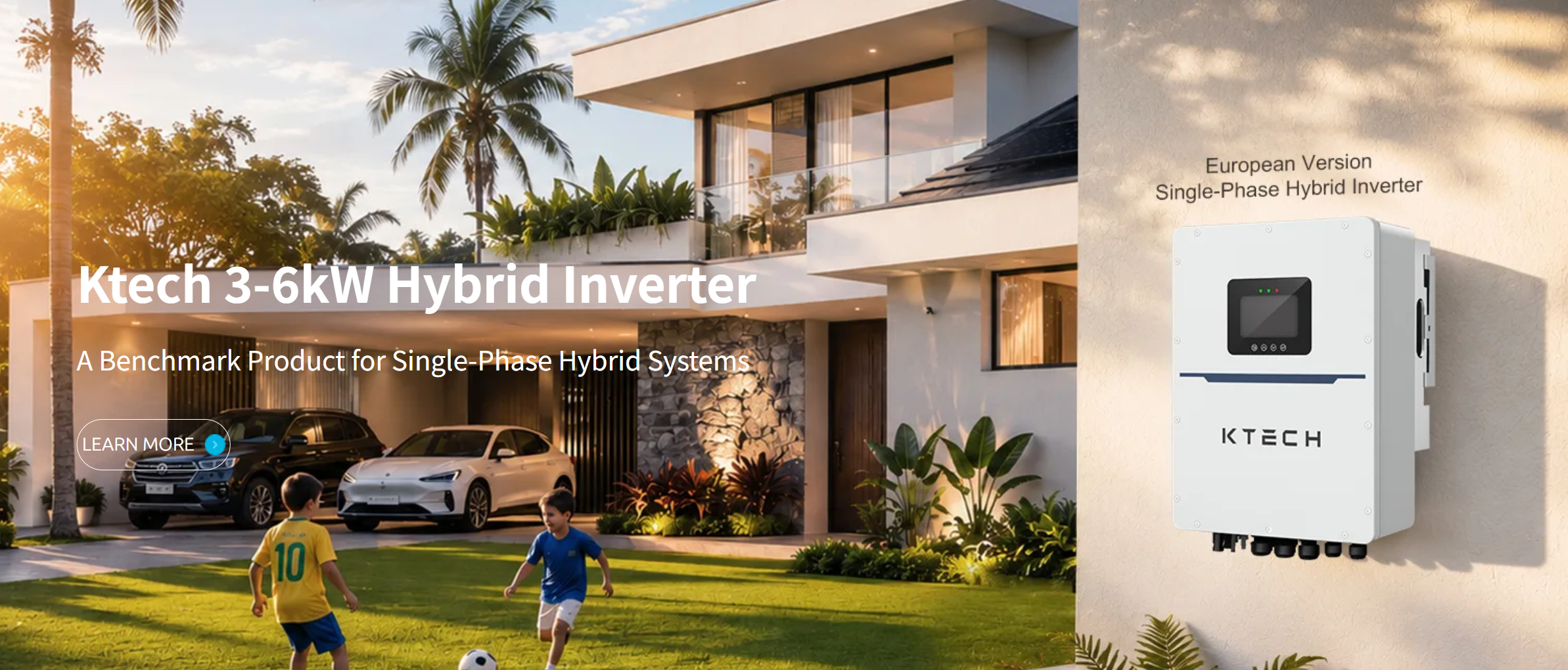
Good inverter selection is about matching capacity, waveform, charging logic, and environmental tolerance to the real demands of the household and site. That clarity reduces returns, service calls, and cold nights without power. If you need a sensible reference point for reliable models and system approaches, Ktech offers solutions grounded in field-proven practice rather than slogans—practical choices that keep systems working long after the installer leaves.