
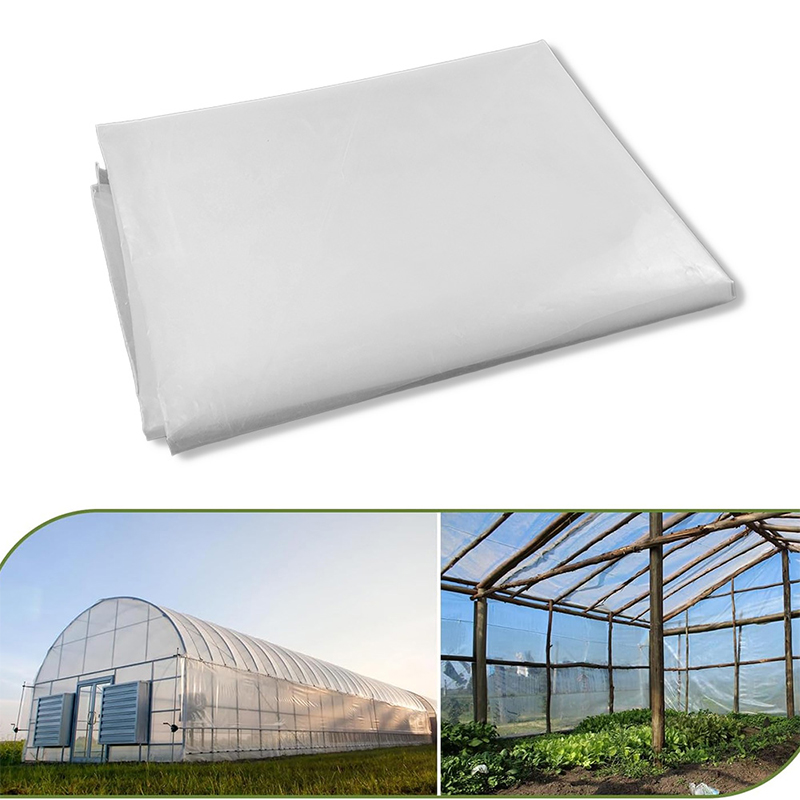
First-hand flaws I keep seeing
I once walked a greenhouse bay at dawn and found condensation beads dripping like rain — that day I thought, again, about greenhouse film choices. As a greenhouse film supplier I’ve handled returns, warranty claims, and repeat orders, and I’ve learned that cheap swaps usually cost more later. (This is from seeing it on a tomato farm in Almería, Spain — March 2016.)
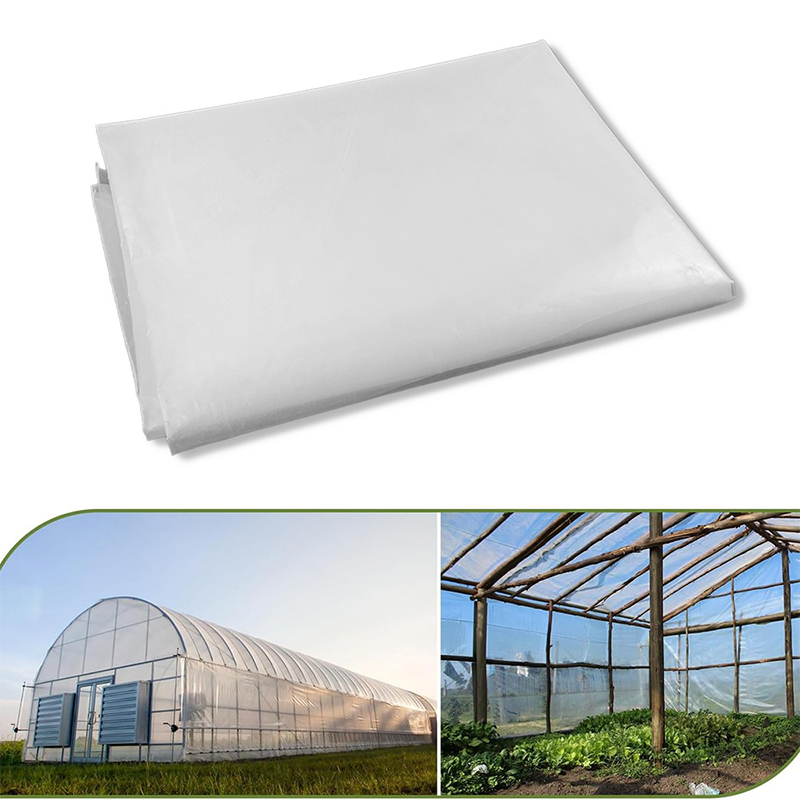
I’ll be blunt: many “fixes” target price, not failure mode. A grower buys a thin LDPE cover to save 20% up front, but light diffusion drops and transmissivity falls by measurable points; yields slip. In one case a 200-micron LDPE sheet I supplied tore after 14 months and the client reported a 12% drop in fruit set that season — hard numbers you can’t ignore. I focus on UV stabilization, tensile strength, anti-condensation additives, and how those specs actually behave in the real world. Why do standard films crack under midwinter UV and then let mold set in — and whose cost really rises because of it? — that’s the next bit.
Why does it fail?
Short answer: manufacturers often optimize for manufacturing cost, not for matching microclimate needs. I remember ordering a sample of a “high-clarity” film in June 2018; its measured light diffusion was near zero and plants showed more sunscald than under the old film. That taught me to look beyond marketing terms and read lab transmissivity and accelerated UV tests.
These traditional solution flaws — thin gauge, poor UV stabilizer packages, and little attention to anti-drip coatings — create hidden user pain points: extra heating, uneven microclimates, more disease, and higher labor fixing tears. I’ve watched labor hours double after a failed install (July 2019, greenhouse repair logs: +32 man-hours over two weeks). That’s not abstract — it’s cash and crop loss. Moving on to practical choices next.
Comparing options and planning forward
Now I switch gears and get technical: when I evaluate films I test for three core properties — light diffusion percentage, UV resistance duration (hours in accelerated weathering), and tensile strength at break. I also compare anti-condensation performance because drip leads to botrytis fast. Using measured data helps me compare suppliers instead of trusting glossy brochures. For example, a polymer with engineered light diffusion increased uniformity in a 60-by-20 m lettuce house I advised in October 2020; the variance in head size dropped by 18% within a month.
What’s Next?
Looking ahead, I recommend buyers demand calibrated lab numbers and real field case studies: ask to see accelerated UV test curves, tensile curves at 20°C, and a case where anti-drip reduced cleaning cycles. When we talk about greenhouse film, the conversation should center on lifecycle cost not sticker price. I’ve seen procurement teams focus narrowly on purchase cost and later face replacement cycles—don’t be that team.
Three quick evaluation metrics I use (you can use them too): 1) Effective light transmissivity over time (measure at install and after 12 months); 2) UV stabilization lifetime (hours to 50% tensile retention under accelerated testing); 3) Anti-condensation performance (qualitative: hours of free-drip vs. bead retention, or quantified via humidity trials). These tell you how a film will behave in-situ — not just on paper. Pick films by metrics, not promises. Oh — and check supplier lead times; supply chain hiccups matter.
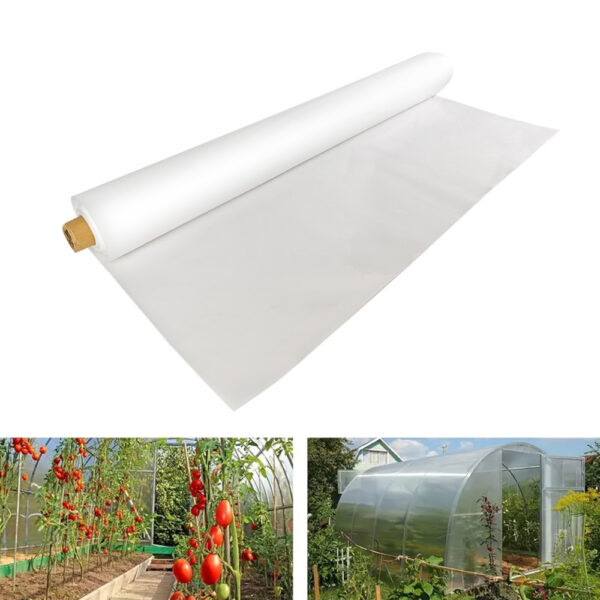
I’ve been doing this for over 15 years in B2B greenhouse supply, and small spec choices changed whole seasons for my clients. I still get surprised — sometimes pleasantly. —but mostly I use data and field trials. For solid options and practical support, look for partners who share lab data and real farm history, not just glossy pictures. HGDN