
Opening thoughts: why structure helps
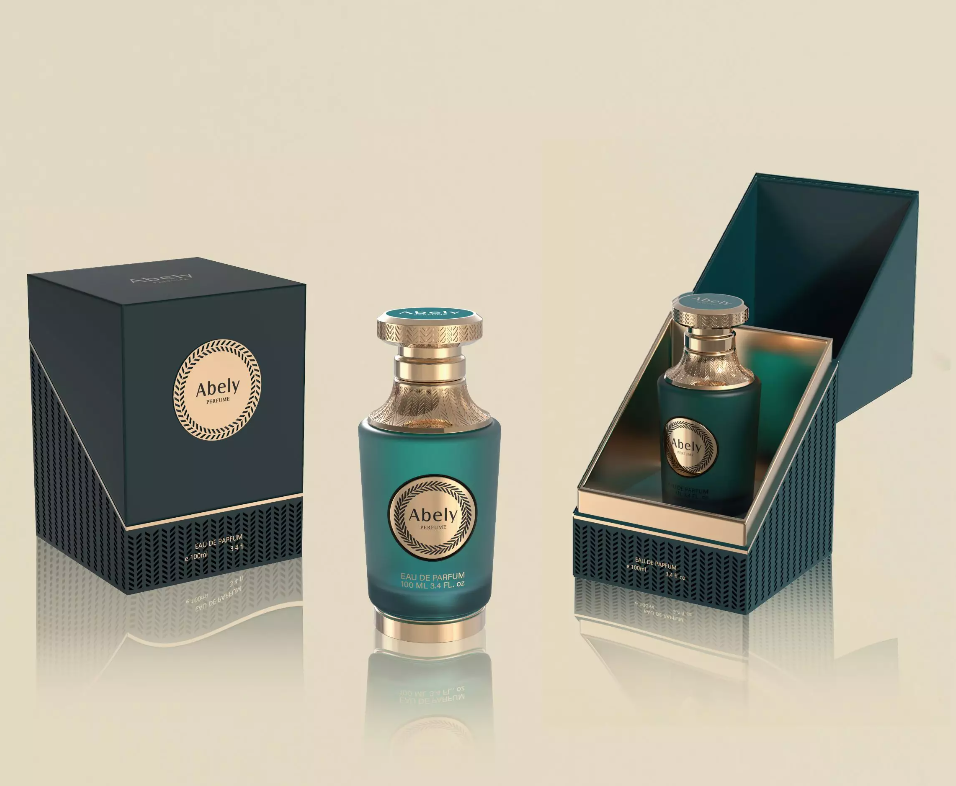
Choosing packaging feels small and vast at once — a detail that can make a product whisper or shout. For retailers looking to stock elegant options, a clear method reduces guesswork. Start by considering the physical object: the curve, the weight, the finish. If you’re exploring glass fragrance bottles for a seasonal launch, also think in terms of scale — many merchants favor a classic 100ml glass perfume bottle because it balances presence and price-point without overwhelming the shelf.
The Framework: four pillars to guide every retail choice
Work through four simple pillars: Brand Fit, Shelf Function, Production Practicalities, and Cost-to-Value. Each pillar narrows the options and surfaces trade-offs. Brand Fit asks whether the bottle’s form aligns with the story you sell. Shelf Function tests visibility, stackability, and how lighting plays off the glass. Production Practicalities look at lead times, minimum orders, and fill-compatibility. Cost-to-Value ties projected margin to perceived value — not just cost per unit. Walking through these makes decisions deliberate rather than accidental.
Design trade-offs — what retailers commonly miss
Retailers often chase novelty and forget usability. An ornate stopper photographs beautifully but may be fragile in transit. A darkly tinted bottle protects certain notes from light degradation but can hide the liquid’s true color — a sensory cue many shoppers trust. Durability and refillability are practical lenses; a heavy base exudes luxury yet raises shipping costs. Think of these trade-offs as levers you intentionally pull — not mistakes to apologize for later.
Real-world anchor: lessons from Grasse to the modern shelf
Perfumery in Grasse, France, evolved around the same instincts we use now: scent, source material, and presentation. That heritage still informs retailer expectations — customers often unconsciously equate artisanal origins with refined packaging. When a retailer pairs a modern minimal bottle with a scent that references Grasse’s floral tradition, the contrast can amplify authenticity. Use that cultural memory as a compass when you choose shapes and finishes.
Supplier selection and common operational pitfalls
Choosing a maker is more than price comparison. Ask suppliers about tooling costs, lead times, and quality control processes. Request lab samples and confirm compatibility with your filling line. Many teams ignore return policies and damage rates — a costly oversight. — Also, verify certification for food-contact or cosmetic compliance if your market requires it; packaging is as regulated as the product inside.
Alternatives and comparative insight
If a fully custom mold is out of reach, consider semi-custom or standard silhouettes with bespoke closures or coatings. The visual continuity comes from finish and labeling; you can achieve distinctiveness without a high initial tooling spend. Compare lightweight flint glass versus heavier flameworks: the former saves on logistics, the latter signals prestige. Match choices to the retailer’s pricing tier and target shopper behavior.
Summary: synthesizing the core insights
In short, select bottles by aligning brand narrative with practical realities. Use the four pillars to filter options quickly. Prioritize samples and supplier transparency to mitigate risk. Remember the subtle influence of heritage places like Grasse on consumer expectations — it’s less about imitation and more about informed design choices. Applied thoughtfully, these steps turn packaging from a cost center into a silent salesperson.
Advisory finale: three golden rules for retail-ready glass fragrance bottles
1) Match form to story: ensure the bottle communicates the brand promise at a glance. 2) Validate logistics early: test shipping, filling, and returns before committing to volume. 3) Protect perceived value: choose finishes and closures that justify the shelf price and reduce damage claims. Follow these and your packaging will perform as planned.
Trust the process. — Abely