

A Quiet Room, A Loud Problem
It starts with a bus depot at dawn, lights still dim, chargers blinking like small stars. A charge discharge module hums as the fleet wakes, and an AC DC charging module decides who gets power first. Last quarter, one city saw a 14% jump in peak demand just from staggered charging windows. That is not a headline. It is a slow leak in the budget. So, what do you measure when uptime is tied to the grid’s mood and your energy bill is a moving target?
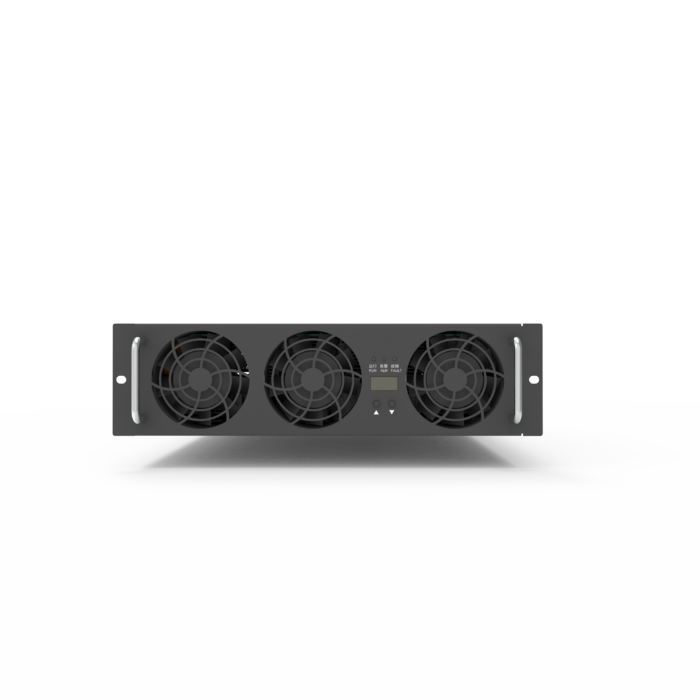
I’ve watched “good enough” systems stall in heat waves and misbehave with poor power factor—funny how that works, right? The setup looks simple, but the variables multiply: battery health, feeder limits, inverter duty cycles, even firmware pacing. Here’s the real story—how the middle of the power chain quietly sets your outcomes, and what to look for before the next billing cycle lands. Let’s break it open and then stack the options with clear, head-to-head insight.
Hidden Fault Lines in Traditional AC/DC Designs
Where do the bottlenecks hide?
Legacy topologies lean on conservative gate drivers, bulky magnetics, and a DC bus that swells under stress. That invites thermal derating at the exact hour you need peak output. Ripple grows. Harmonic distortion creeps into the line. And a “bidirectional inverter” often gets sold as a feature while the control loop is tuned for one-way traffic. Look, it’s simpler than you think: if current sensing is slow and the firmware filters are heavy, transients turn to heat, and heat turns into downtime. The result is uneven charging, higher switching losses, and upset grid neighbors. Operators feel it as jittery session starts, rising fan noise, and SOC curves that never quite match the plan.
User pain points hide in plain sight. Field techs chase nuisance trips when power converters share a feeder. CAN bus chatter spikes, yet fault logs stay vague. Maintenance windows stretch because the AC front-end chokes on poor mains quality after midnight. Meanwhile, the promised savings from “smart scheduling” vanish when the module shelves itself at 40°C ambient. An AC DC charging module should close these gaps—fast transient response, clean current, and stable DC bus math under V2G. Too often, it does not. And the fix isn’t a bigger heatsink; it’s a tighter control strategy, better silicon, and firmware that respects real load profiles.
Comparative Outlook: Principles That Actually Change Outcomes
What’s Next
Here is the forward edge. New designs pair SiC MOSFETs with predictive control so the DC link behaves under messy loads. Soft-switching topologies cut switching losses; grid-side active filtering trims THD without brute-force caps. Think of it as choreography—controller clocks, current sensors, and PWM timing dancing in microseconds. Compare that to older PWM at fixed switching frequencies that shrug at transients. The gain shows up in cooler chokes, quieter fans, and steadier SOC rise. When edge computing nodes sit near the charger, they can forecast station load and shift duty cycles before surge hits. This is where a well-built module earns its keep (see ). It looks small on paper. It feels big on your utility bill—and on uptime KPIs.

Let’s stitch the lessons and make them practical. Traditional units hide costs in heat and harmonics; next-gen units trade that for fast loops and cleaner power. Evaluate with three simple checks. First, round-trip efficiency under real bidirectional load, not a lab script; watch it at partial power, too—funny how that’s where fleets live. Second, thermal stability at high ambient without aggressive derating; log the fan curve and the transformer temps. Third, control and comms depth: OCPP and CAN reliability, grid-code support, and firmware tools you can actually tune. Meet those, and your chargers run cooler, your feeder breathes easier, and your budget calms down—and yes, the grid will thank you. For teams seeking a reference point without the hype, start with a well-documented AC/DC path and compare outcomes line by line. Then pick the module that keeps its promises when the depot is full and the night is warm. Learn fast, scale wisely, and keep the loop tight with winline EV charging.