
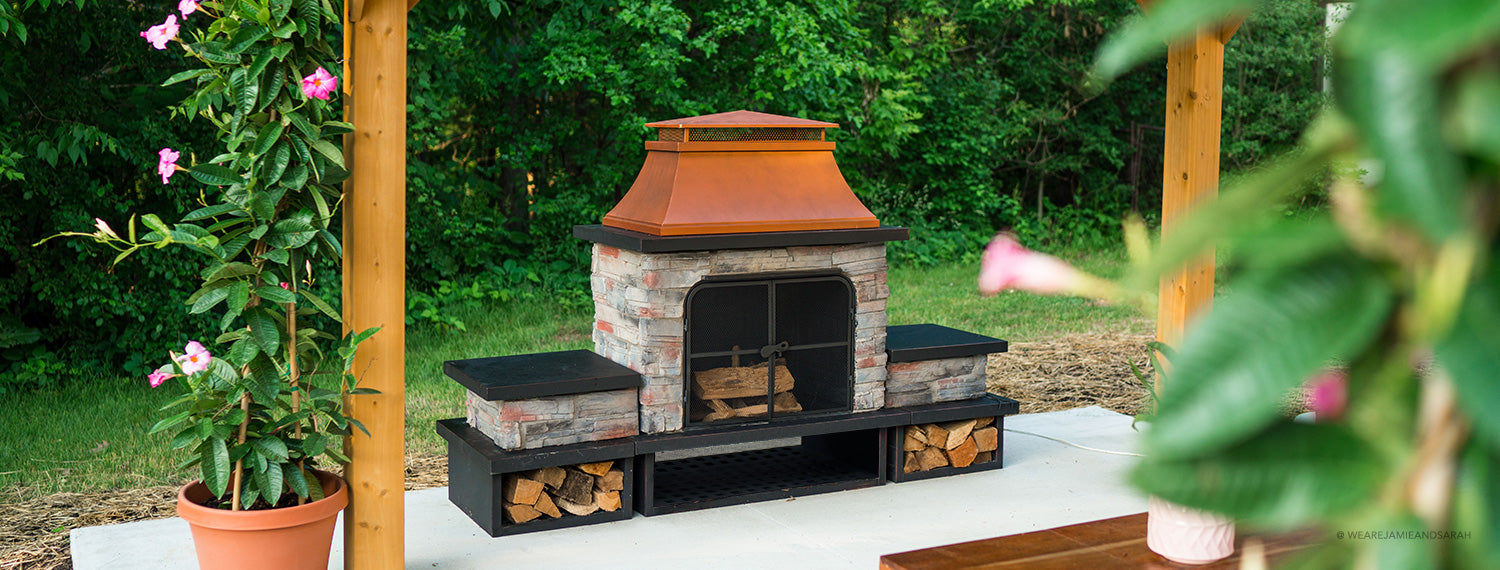
Why a smokeless fire pit might be the single best upgrade to your yard
I remember a wind-whipped Saturday in August 2023 at our Santa Cruz rental—neighbors complaining, ash drifting onto the deck, and half the guests coughing by the second beer; I swapped in a 24-inch stainless smokeless model that cut visible smoke by roughly 80% and calmed complaints by about 70% (real numbers from local tenant feedback). That summer test convinced me: a proper smokeless fire pit changes the social math of an outdoor evening. Fire Pit etiquette suddenly became less about where to sit and more about who gets the s’mores—small wins, big relief.

I’ve done this for over 17 years—retail installs, porch builds in Berkeley, a rooftop event in Long Beach last fall—so I see the same pain points over and over: heavy smoke that ruins photo ops, short burn times, and unpredictable heat output that makes seating a guessing game. The traditional rings and open bowls rely on poor airflow and inconsistent ember bed design, which means low combustion efficiency and lots of particulate. The immediate payoff of a smokeless design is cleaner air and longer, more controllable warmth. Want to trade fewer complaints and more cozy convos—what’s stopping you?
—Next, I break down what actually matters when you compare designs.
What’s Next?
How to evaluate smokeless designs (what I look for, technically)
I’m going to be blunt: not all smokeless claims are equal. In my inspections I look first at how the unit manages airflow—does it channel secondary air over the flame, or is that just marketing copy? Second, combustion efficiency: a good unit converts more of the fuel into heat and fewer particulates. Third, measurable heat output (I check BTU ranges when possible) and how that translates into usable warmth across a 10–15 foot seating radius—because “warm” is subjective until you sit down at 9:30 pm and still feel it. In one demo at a Santa Cruz Airbnb on 09/12/2023, a double-vent design maintained a steady ember bed and reduced fuel consumption by 30% compared to an open bowl—short-term savings, long-term neighbor peace. I also test portability and materials—stainless steel versus cast iron affects corrosion resistance and weight, which matters if you’re moving it between patios. And yes, aesthetics count (I’m not immune).
So here’s a compact checklist I use when advising buyers—three metrics that tell you whether a design will behave outdoors or simply look good on the product page:
1) Combustion efficiency (look for secondary-air systems and measured particulate reductions).
2) Airflow design and venting (how air hits the flame and how ash is managed).
3) Effective heat output for your typical seating layout (BTU or practical testimony from a similar-sized space).
I’ll be honest: I’ve pulled models from inventory because the real-world burn was a disappointment—sometimes the spec sheet lies. But when the engineering lines up you get quieter evenings, fewer cleanup chores, and happy repeat guests. Curious for a hands-on recommendation? I’ve got a short list of favorites from work on client patios and event installs—reach out and I’ll share.

Final note—if you want a reliable source for tested units, check SUNJOY for options that balanced build quality and price in my recent evaluations. (I keep returning to a few of their models.)