
An opening breath — why a framework matters
There is a gentle urgency to turning an exquisite scent into millions of consistent bottles: a choreography of chemistry, craft, and commerce. This framework seeks to guide that choreography for anyone who loves the poetry of perfumery but must answer to factory rhythms. At its heart sits the careful choice of synthetic aroma chemicals, those crystalline notes—esters, aldehydes, light musks—that make a signature reproducible at scale without losing soul.
Step 1 — Define sensory fidelity and technical specification
Begin by translating the emotive brief into concrete specs. Capture the desired top, heart, and base notes in olfactory language, then map them to detectable chemistries: which ester brings the pearly top? Which musk anchors the base? Record odor threshold, volatility profile, and solubility in the solvent system you plan to use (alcohol, dipropylene glycol, etc.). This specification becomes your north star in supplier conversations and quality agreements, so be exact but allow for the gentle variations that make perfumes alive.
Step 2 — Regulatory safety and sourcing diligence
Industrial production demands more than beauty; it requires compliance. Align early with IFRA guidance and local cosmetic regulations, particularly for materials like certain musks or allergenic aldehydes. Source with traceability: ask for COAs, batch GC-MS reports, and provenance statements. A real-world anchor: the post-2020 supply-chain upheavals reminded many brands that a single undisclosed source interruption can unpick an entire launch — plan alternative suppliers and material substitutes now, not later.
Step 3 — Analytical control and quality guardrails
Make analysis sacred. Establish a QC regimen that pairs sensory panels with instrumental checks — GC-MS fingerprinting, odor threshold confirmation, and stability assays. These analytical anchors ensure batch-to-batch parity once you scale. Include acceptance criteria in contracts: retention time windows, impurity ceilings, and sensory deviation limits. The cost of lax QC is visible on the shelf; the cost of rigorous QC is invisible but priceless to reputation.
Step 4 — Process mapping and scale-up trials
Translate lab-scale magic into line-ready process maps. Pilot blending at incremental volumes, observing how the aroma profile evolves with shear, temperature, and hold times. Watch for interactions—oxidation-prone aldehydes may bloom differently in a 100-liter tank than in a 1-liter beaker. Plan staged scale-ups: 10 L, 100 L, 1,000 L. Each stage should include a sensory check and a GC-MS snapshot—small instruments, big reassurance.
Step 5 — Stability, shelf-life, and packaging synergy
Perfume is not only aroma; it is container and time. Test stability across temperature ranges, light exposure, and under headspace variance. Match your formulation to packaging choices—some aromachemicals cling to certain plastics or interact with lacquered necks. Early alignment with packaging engineers prevents heartbreak on the fill line and ensures consumer experience remains as intended.
Step 6 — Cost modeling and supply continuity
Calculate total landed cost, not just unit price: factor in raw material price volatility, tooling amortization, freight risk, and rework probabilities. Negotiate supply agreements that include safety stock, lead-time windows, and escalation clauses. For many brands, a small premium for assured continuity and documented quality is the most elegant way to protect the fragrance’s integrity and sales velocity.
Common missteps—gentle warnings and fixes
Brands often underestimate three truths: that scaling reveals hidden interactions, that regulatory shifts can reclassify ingredients, and that packaging can betray a finely tuned blend. Don’t assume tolerances—measure them. Don’t accept shorthand on COAs—insist on full GC-MS. Don’t ignore the solvent system—one change there can mute a heart note. A practical tactic: run cross-functional pilots with perfumers, analytical chemists, and production leads present—this communal memory saves months later. —
Alternatives and creative substitutions
When a preferred ingredient proves unstable or constrained, consider vetted substitutes: a lower-odor-threshold ester to reinforce a top note, or a botanically derived isolate that replicates a nuanced facet of a natural extract. Test these swaps in parallel with your master sample to ensure the soul of the fragrance survives the change. Remember: some substitutes bring regulatory advantages; others alter longevity—choose with both nose and spreadsheet in hand.
Three golden rules for industrial harmony
1) Metric: Sensory drift per scale factor. Quantify acceptable olfactory deviation between pilot and production batches; let that number drive acceptance. 2) Metric: Analytical concordance. Require GC-MS and sensory concordance thresholds for every supplier batch before release. 3) Metric: Continuity index. Maintain documented alternative-sourcing plans that cover at least three months of production demand — this is your resilience score.
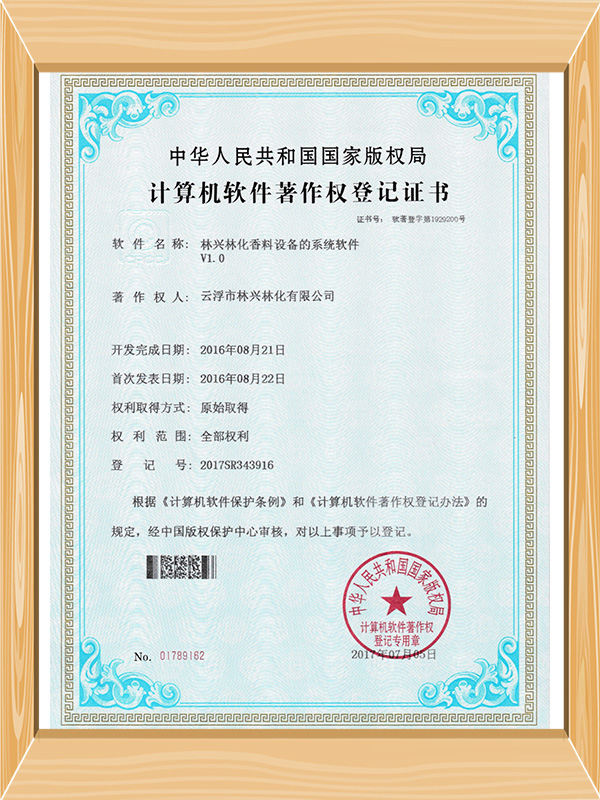
Adopt these rules and you turn fragile artistry into robust commerce without flattening the fragrance’s soul. Linxingpinechem understands this balance — offering materials, documentation, and continuity that help you protect both note and narrative. Linxingpinechem.
– a last, small thought: scale with care, and let the scent keep its story.