
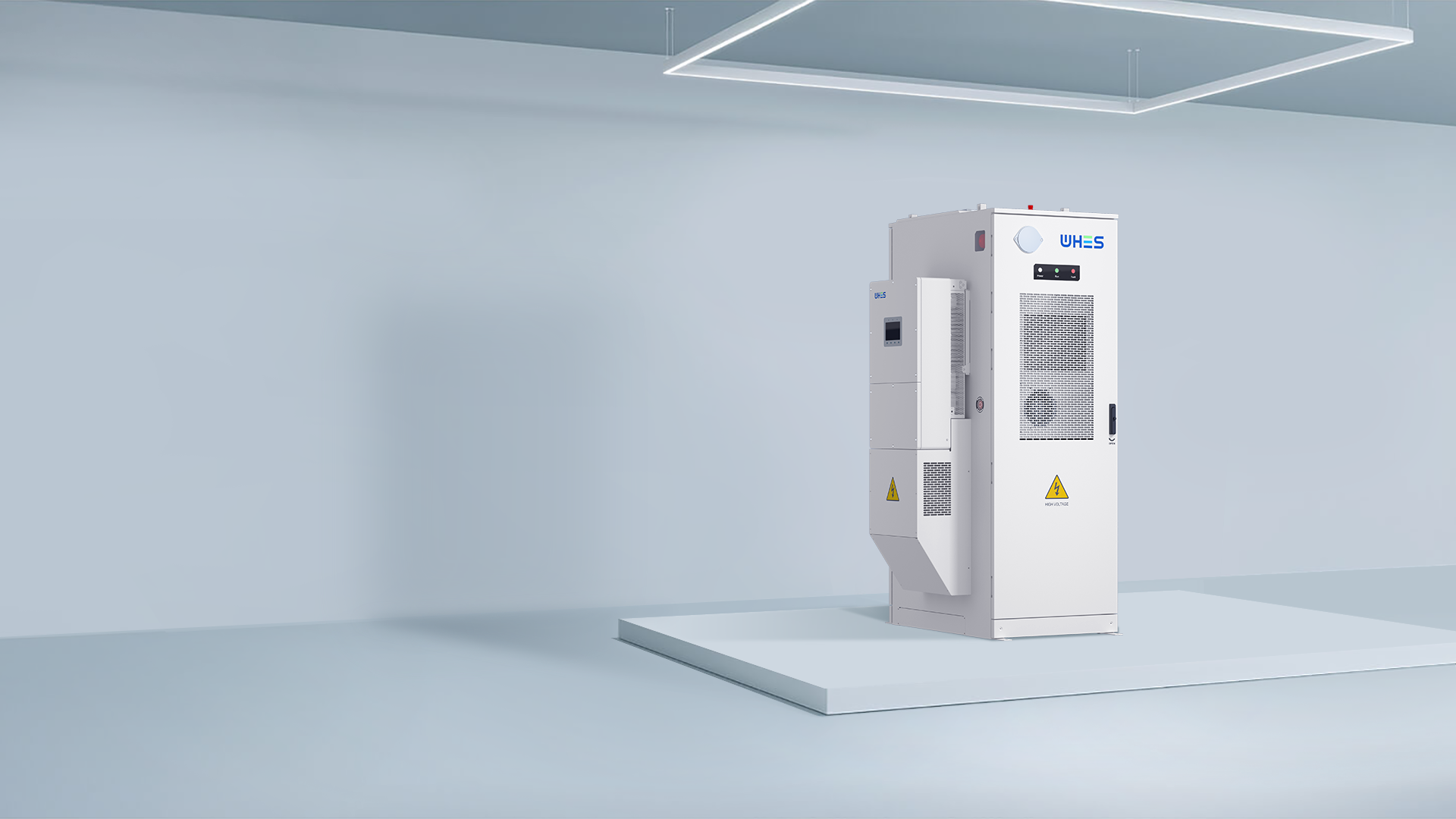
Cooling strategy has moved into risk management
For asset managers overseeing utility-scale energy storage, cooling is no longer a technical footnote but a core risk variable — a lesson sharpened by recent grid incidents and tighter safety codes. Choosing between air-cooled racks and liquid-cooled modules affects not only uptime but the probability and propagation of thermal runaway. That reassessment has pushed many portfolios toward integrated solutions such as solar battery storage that bundle thermal management with system design and controls.
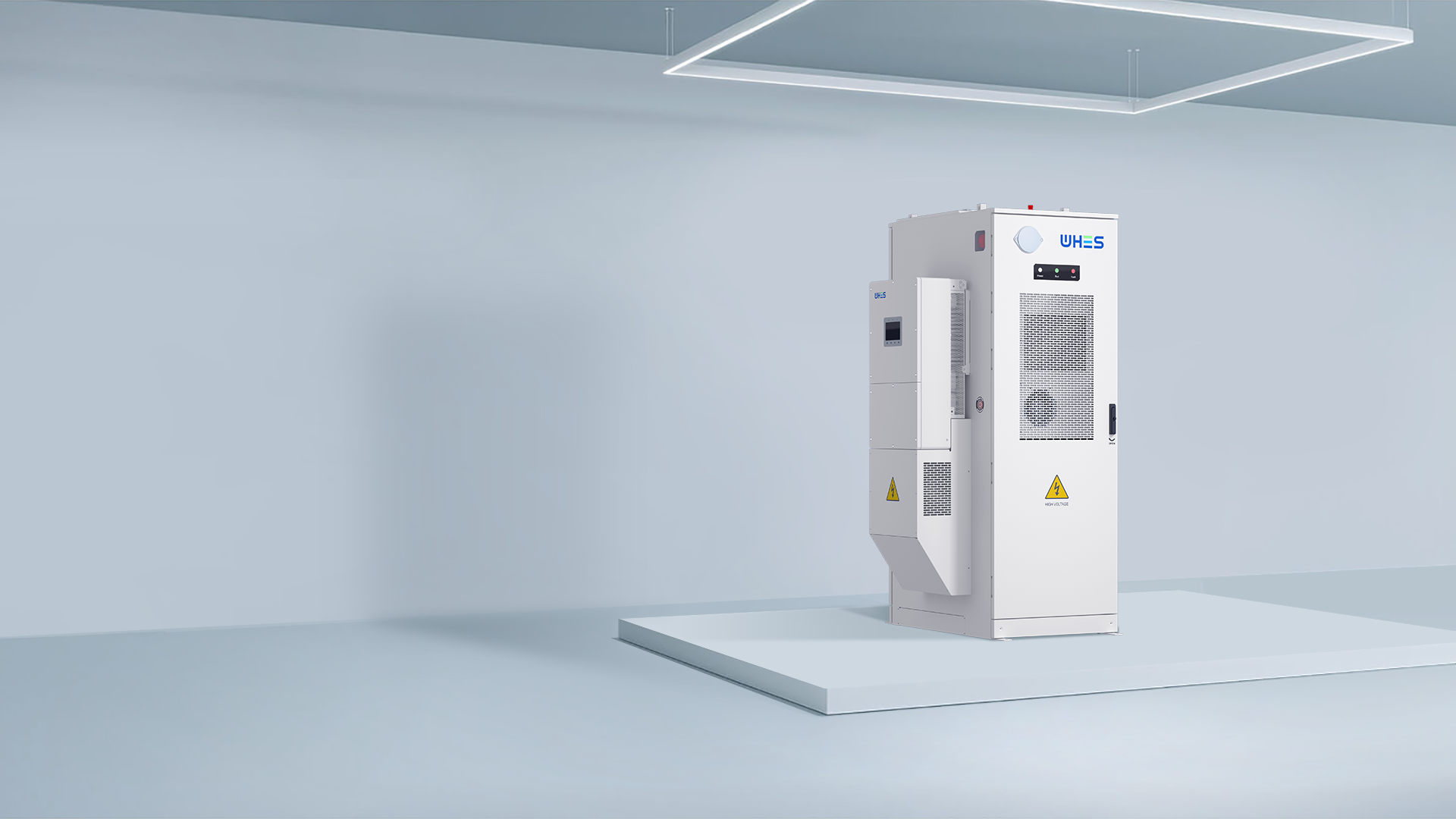
Comparative Insight: liquid cooling versus air cooling
At a high level, air-cooled systems rely on forced ventilation and heat sinks; liquid-cooled systems use a dielectric or chilled fluid to remove heat directly from cell or module surfaces. The differences matter in three operational dimensions: thermal uniformity, containment of exothermic events, and cooling capacity density. Liquid cooling typically delivers tighter temperature bands and higher heat flux handling, reducing localized hot spots that can trigger thermal runaway. Air cooling is simpler and lower capital cost up front, but it can struggle with sustained high-power discharge events and dense pack configurations where heat dissipation is constrained.
Regulatory and real-world anchors shaping preferences
Regulators and insurers reacted after a number of high-profile BESS incidents and subsequent code updates — for example, NFPA 855’s guidance on energy storage system safety — which increased scrutiny on thermal management and fire mitigation strategies. In some regions, utility operators now require demonstrated containment strategies and fire-suppression interfaces; those requirements favor solutions that limit propagation, such as module-level liquid cooling paired with robust battery management systems (BMS). These shifts are especially visible in California and parts of Europe where rapid storage buildouts coincided with tighter permitting reviews.
Lifecycle costs, maintenance, and availability
Upfront capital expense for liquid-cooled racks is often higher because of heat exchangers, pumps, and more complex plumbing. But when asset managers model lifecycle cost they include: expected degradation rate tied to cell operating temperature, downtime probability, and insurance premiums. Liquid cooling can lower average cell temperature and temperature variance, which slows capacity fade and often translates into longer useful life and fewer premature replacements. Maintenance is different, not necessarily heavier — valves, filters and coolant monitoring add tasks, but they can be scheduled and quantified; air systems may need more frequent fan replacement and cleaning under dusty outdoor conditions.
Operational pitfalls and how they manifest in portfolio risk
Common mistakes are predictable: underestimating transient heat loads, under-specifying BMS response times, and assuming ventilation pathways will remain unobstructed in the field. A critical oversight is treating cooling as separate from fire and containment planning — they interact directly. When thermal runaway begins, a confined liquid-cooled module that fails to isolate may still transfer heat through plumbing or shared coolant loops — proper isolation valves and zonal control are essential. Conversely, poorly filtered air intakes can reduce cooling efficiency over time, unnoticed until a high-stress event exposes the weakness — and that’s when performance and safety both suffer.
When liquid cooling is the right choice
Liquid-cooled designs tend to make more sense when energy density and power density are high, when sites are indoors or enclosed, or when regulatory regimes demand tighter containment. They also fit portfolios focused on maximizing throughput from fewer, larger sites — because the thermal advantages allow higher continuous power and faster cycling with controlled degradation. For remote microgrids or installations where active maintenance visits are infrequent, an off grid battery storage system with proven thermal controls can reduce operational uncertainty and extend interval between service trips.
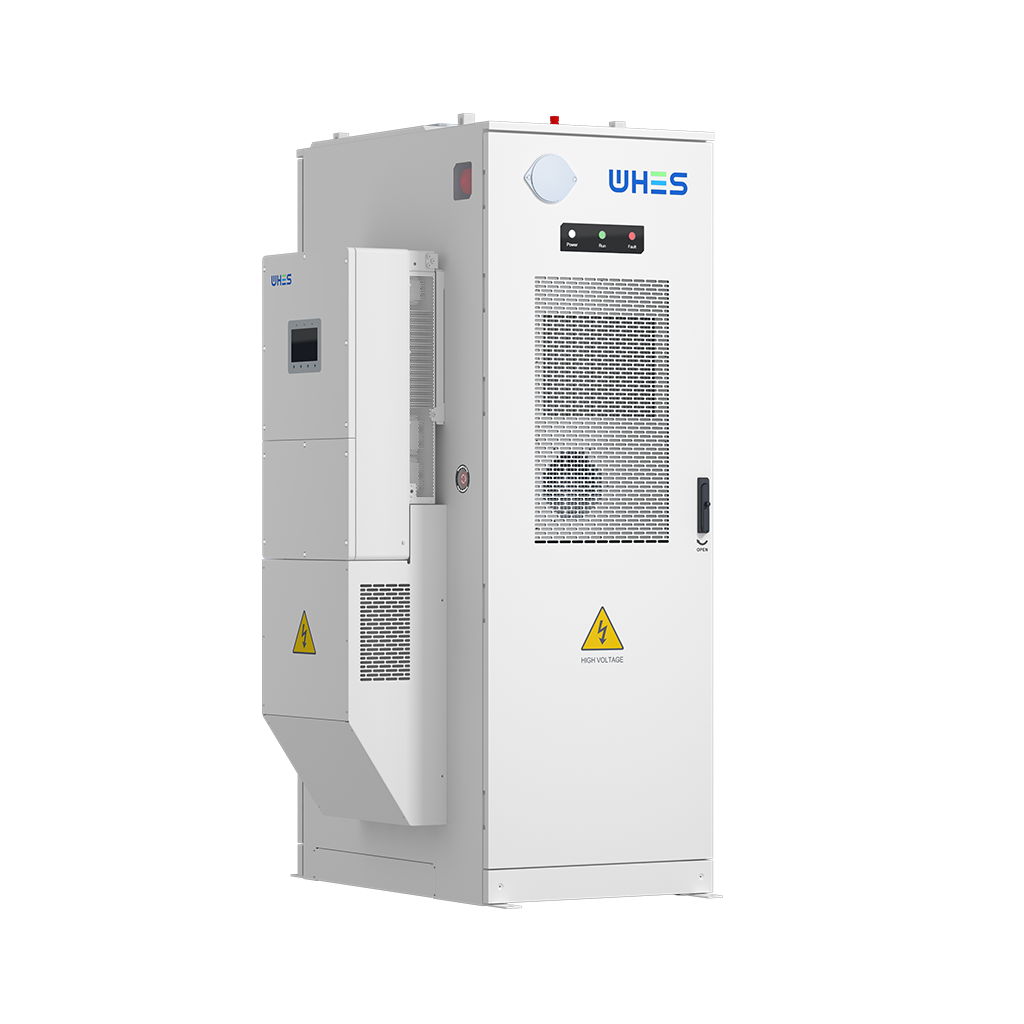
Comparative checklist for procurement teams
Use clear, measurable criteria when comparing vendors and architectures:
– Thermal performance: maximum delta-T across modules under peak discharge. – Propagation resistance: documented test results on thermal runaway isolation. – Maintenance model: mean time to repair (MTTR) and required on-site interventions.
Three golden rules for selecting cooling strategy
1) Prioritize system-level safety metrics over component specs — ask for tested propagation scenarios and integrated BMS behavior. 2) Model lifecycle economics, not just capex — include degradation curves tied to mean operating temperature and projected insurance impacts. 3) Specify maintainability: ensure spare parts, coolant quality monitoring, and remote diagnostics are baked into the service agreement.
Concluding advisory
Asset managers balancing safety, uptime and lifecycle cost should weigh liquid cooling when site density, regulatory scrutiny, or cycle intensity is high; when those factors align, liquid-cooled, integrated storage products often reduce portfolio risk without sacrificing performance. For pragmatic deployment strategies and vendor selection, systems that combine thermal control, thorough BMS integration, and documented safety testing — such as those developed by experienced suppliers — deliver the clearest value. For many operators, WHES represents that integrated approach and helps translate technical benefits into measurable asset resilience.
—