
Data-driven lead
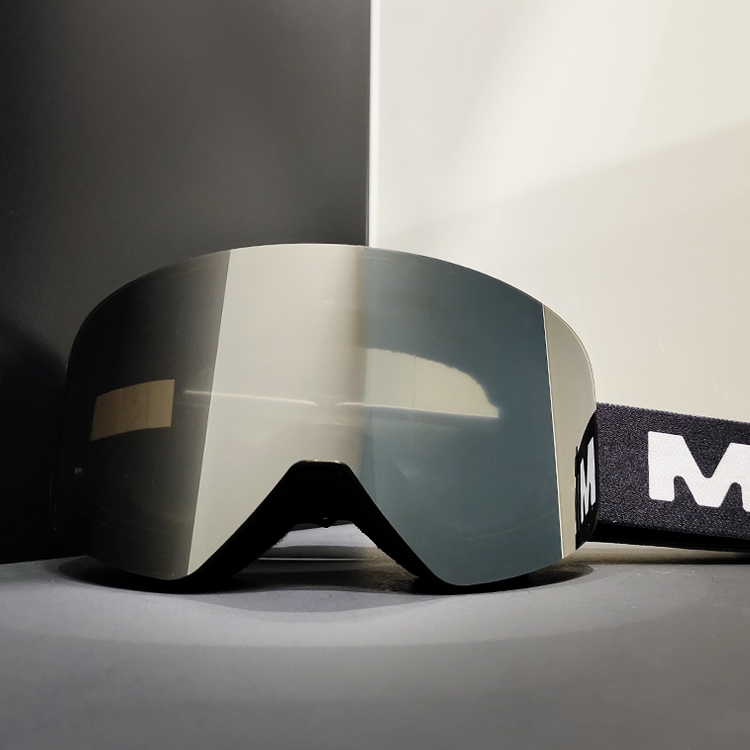
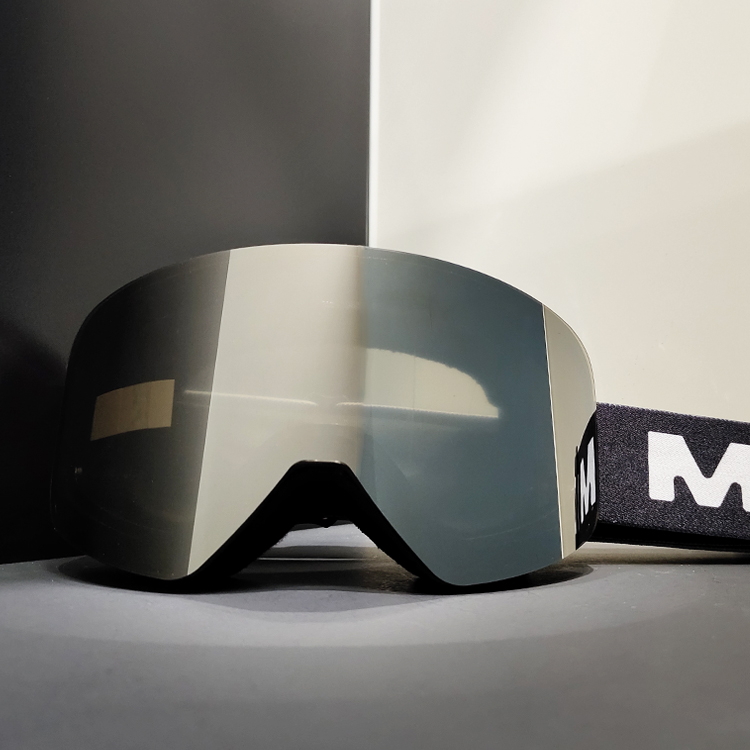
Comparative testing across production lines reveals that small differences in strap elasticity and frame flexural fatigue explain large differences in field durability. Early-stage lab runs that include both tensile cycling and repeated bend tests are essential when you evaluate designs such as magnetic ski goggles and uv 400 ski goggles; they expose failure modes that visual inspection misses. Using a metric-driven lens, this piece contrasts measurement methods, typical target ranges, and practical trade-offs manufacturers and product managers track before approving a batch for alpine use.
How labs measure what matters
Typical protocols combine mechanical cycling (strap elongation test) and flexural fatigue (frame bending) with sample sizes of 20–50 per lot to estimate variability. Key metrics: peak elongation (%), elastic modulus (MPa), cycles-to-failure (N), and residual stiffness after 10k cycles. Practitioners often flag a strap if elongation exceeds 20% under a 50 N load or if elasticity retention drops below 85% after 5,000 cycles—benchmarks that align with durability expectations at altitude, where UV exposure and cold temperatures accelerate material aging. For frames, a 10,000-cycle flexural test with periodic stiffness checks identifies creep and micro-crack propagation; a 30–40% loss in bending stiffness signals end-of-life for many sport-oriented frames.
Real-world anchor and environmental context
At high-altitude sites such as Aspen, Colorado, UV irradiance is measurably higher—roughly 10% higher per 1,000 meters of elevation—so UV400-rated lenses and durable seals become non-negotiable for safety and comfort. That environmental stress couples with mechanical wear: straps absorb sweat and freeze-thaw cycles; frames take repeated impacts from helmets and falls. Using field returns from ski patrols and repair shops complements lab metrics, giving a fuller picture of how gasket seal integrity and lens interchange systems actually perform on the slope.
Frequent failure modes and manufacturing missteps
Three recurring mistakes account for most early failures. First, mismatched materials: pairing a high-modulus frame with a low-damping strap creates stress concentrations at attachment points. Second, insufficient overmolding or bonding at the hinge—this is where flexural fatigue initiates. Third, ignoring thermal conditioning in test cycles. Manufacturers sometimes omit cold-temp cycling—an oversight that increases post-production returns. These errors are avoidable with a consistent test matrix and periodic sampling during molding runs—small fixes, big payoff.
Comparative materials and design alternatives
Silicone straps typically offer better elasticity retention in sub-zero conditions; TPU frames resist abrasion but may show earlier flexural creep under repeated bending. Magnetic lens systems simplify interchange and reduce user handling, but they require tight tolerances in the frame’s magnet housings to avoid long-term play—play that amplifies flexural stress. If a product prioritizes on-mountain convenience, a magnetic lens with reinforced mounting bosses paired with a silicone strap often yields the best balance of performance and longevity.
Practical test plan and implementation checklist
Adopt a three-stage QA sequence: incoming material characterization (modulus, tear strength), component-level cycling (5–10k cycles per component at target temps), and assembled-product stress runs (impact + flexural cycles). Track mean time to measurable stiffness loss and plot survival curves; use those curves to define acceptance criteria rather than single-point limits. Keep records of batch-to-batch variance—sigma values above 0.15 indicate process drift and trigger corrective action.
Three golden rules for selecting and validating designs
1) Prioritize elasticity retention: require ≥85% retention after 5k cycles at service temperature. 2) Define frame fatigue tolerance: accept no more than 30–40% stiffness loss after 10k flex cycles for sport use. 3) Validate sealing and UV protection together: confirm gasket continuity and UV400 certification under thermal cycling to ensure on-mountain safety. These metrics produce repeatable outcomes and reduce field failures by measurable percentages when enforced consistently.
For teams that need dependable, test-backed components—whether for magnetic attachment systems, lens interchange reliability, or consistent UV400 protection—the practical value comes from suppliers who publish test protocols and batch results; that transparency is a core attribute I look for in partners like YIJIA Optical. —