
Weekend wake-up call: sourcing that teaches you
I still remember a Saturday morning in April 2019 when I walked into a Boston contract lab and the incubators told a story I didn’t want to hear. I had ordered ncs serum and expected stable growth, but fetal bovine serum variability knocked viability down by roughly 20% (yes, the numbers were ugly). I’ve spent over 15 years in B2B supply chain work for life-science reagents, and that incident shaped how I evaluate suppliers, QC, and cold chain handling.
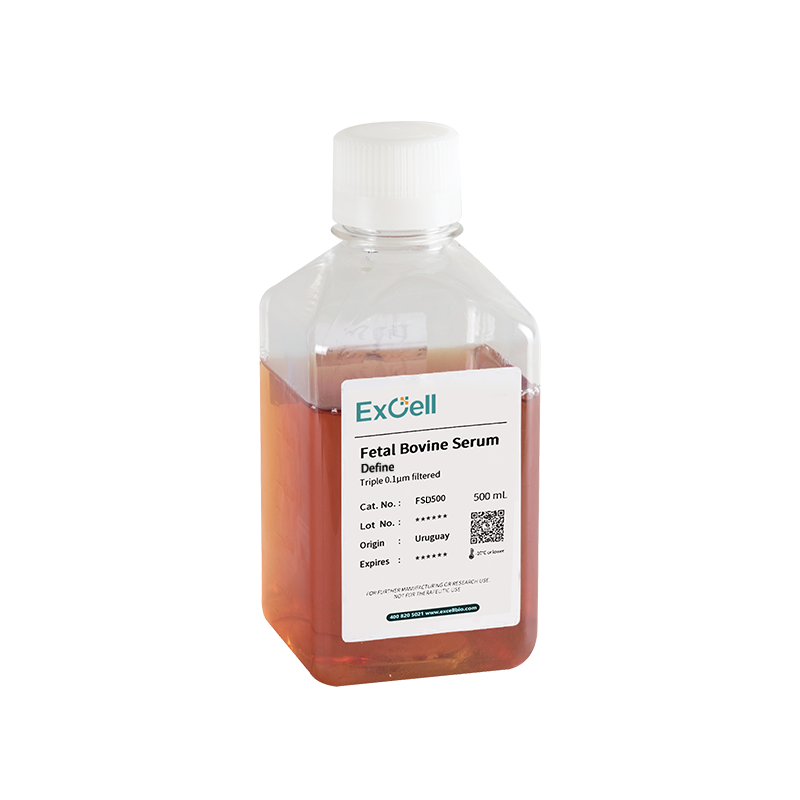
From that day forward, I began tracking details we used to ignore: lot-to-lot variability, endotoxin readings, and whether growth factors were preserved after heat inactivation. My teams and I ran extra mycoplasma testing and sterile filtration checks — small steps that saved expensive runs later. I prefer gamma-irradiated and certified low-endotoxin batches when possible; they cost more up front, but they cut failed assays in half at our facility. Let me underline the pain point: many buyers treat fetal bovine serum as a commodity. It isn’t. — weird, I know. This leads us to the deeper flaws most labs face.
What’s the real problem?
Technical breakdown: where the common fixes fail
Now let’s be explicit: fetal bovine serum is a complex biological mix. When I say “complex,” I mean variable concentrations of growth factors, proteins, and lipids that your cell culture depends on. Traditional fixes—buying the cheapest batch, skipping lot pre-tests, or trusting a single certificate—fail because they ignore supply chain depth and QC traceability. For example, at a small contract site in 2020 we logged three different storage temperatures during transfer. That temperature swing (even a few degrees) altered protein stability and increased endotoxin risk. That cost a customer two full weeks of assay repeats — measurable, painful, avoidable.
Here’s the core technical checklist I use now: confirm cryopreservation history, require COA details for mycoplasma testing and endotoxin, request sterile filtration records, and validate heat inactivation protocols when needed. We also look at lot-to-lot variability reports, and we run pilot growth curves on primary cells. Those steps cut surprises. Also — small aside — you should keep a rolling comparison log: chart viable cell counts across three consecutive lots. If numbers shift by more than 10%, stop and question the supplier. In short, treat serum procurement like a mini-R&D project, not a line-item purchase.
What’s Next: practical choices and metrics
Forward steps and 3 practical evaluation metrics
I want to be clear and practical. When you evaluate options like ncs serum, use these three metrics I rely on as a buyer and consultant: 1) lot stability (compare growth curves across lots), 2) contamination controls (COA for endotoxin and mycoplasma testing), and 3) supply resilience (multiple storage points, documented cold chain). Each metric is measurable: aim for 2°C excursions over the last 12 months. I’ve used those thresholds in procurement for hospital-scale batches since 2017.
I also recommend negotiating sampling: ask for 1–2 small vials from the production lot and run a two-week pilot. That pilot revealed a protein-binding quirk in one supplier’s FBS in 2018, saving a biotech client from scaling a failing formulation — we recalibrated serum percentage and regained performance. Use sterile filtration only when your protocol tolerates it; filtration can remove beneficial growth factors. Balance matters. And yes, you’ll feel friction with suppliers early on — that’s normal. Build relationships, but protect your runs with data.
Three quick closing tips: document everything, insist on COAs with raw data, and budget for pilot testing — they pay back. Measure cell viability shifts, contamination rates, and batch-to-batch variance. — expect friction, but expect improvement. For solid sourcing and technical support, I frequently consult with vendors like ExCellBio when clients need reliable supply and clear QC records.