
Introduction: a quick scenario, a few numbers, and one big question
I once watched a small shop lose an order because tolerances drifted by 0.05 mm on the last pass—heartbreaking and avoidable. The CNC turning and milling machine sat idle while the team argued over speeds, feeds, and fixtures. Around 60% of shops I visit tell me tool wear or chatter steals productivity (that’s a lot of lost hours). So I ask: how do you hold tight tolerances without killing takt time? I’ll walk through what I’ve learned, share the blunt stuff most vendors skip, and point to practical fixes you can test this week—no gimmicks. Let’s get into the real trade-offs and the first places to look.
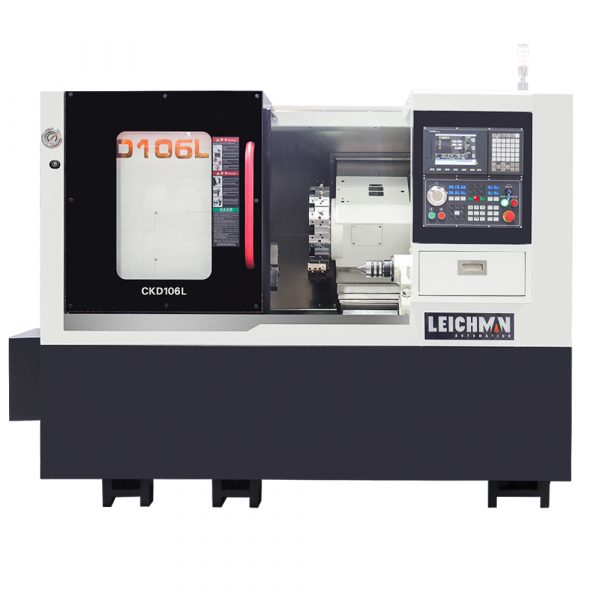
Why common fixes fail (and the hidden pains you don’t hear about)
cnc milling and cnc turning gearheads hear the same advice: slow it down, increase tool radius, add coolant. These tips work sometimes, but often they mask deeper issues. I’ve seen teams chase spindle speed like it’s a magic number while the real culprit was a loose fixture or a worn bearing in the CNC controller chain. Toolpath optimization and feeds matter, sure, but when your fixture shifts a few microns each cycle, nothing else will save you. Look, it’s simpler than you think: fix the basics first—rigidity, accurate fixturing, and consistent tool change routines.
Is the machine the problem?
Sometimes yes. Often no. Problems hide as noise: intermittent chatter, inconsistent coolant delivery, or poor tool life. I use a short checklist—inspect spindle bearings, verify runout, review G-code for abrupt moves, and check coolant flow. If spindle speed and servo tuning are dialed in but parts still vary, your setup or clamping is probably the issue. We also measure vibration signatures over a few cycles; that tells us if it’s a dynamic problem (chatter) or a static one (fixture creep). These diagnostics take time, but they save far more than they cost.
New technology principles that actually change outcomes
Let’s look forward. New principles focus on sensing and feedback, not just bigger motors. Hybrid monitoring—vibration sensors, acoustic microphones, and spindle torque logging—lets us catch chatter before it ruins a batch. When combined with smarter toolpath smoothing and adaptive feed control, you get longer tool life and fewer scrapped parts. I’m talking about systems that tweak spindle speed and feed in real time based on sensor input. With cnc milling and turning data streamed live, the controller can dodge resonance zones automatically—pretty neat, right? — funny how that works, right?
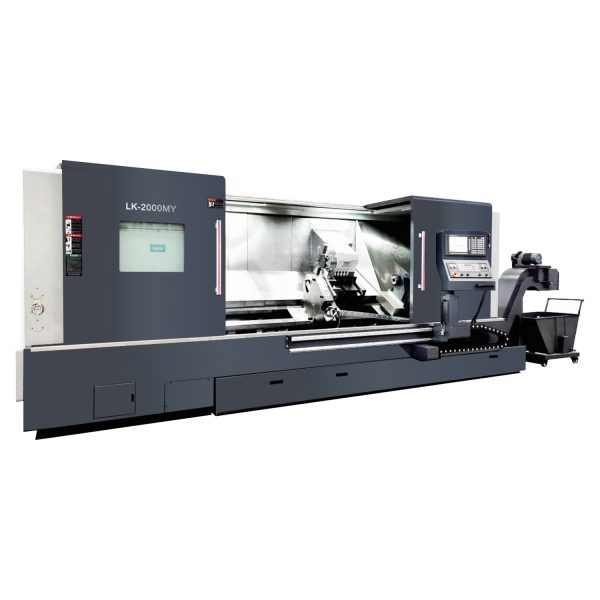
Real-world impact
In a pilot I ran, adaptive control cut rework by nearly 40% in three months. We paired inline spindle monitoring with revised coolant strategies and tightened the fixture protocol. The result: parts hit spec faster and tooling lasted longer. This isn’t just theory. It’s about coupling sensor data with good shop practices—toolpath review, periodic runout checks, and consistent coolant pressure. Small changes, big returns. We can predict failure windows now; that allows planned downtime versus emergency stops, and that alone changes cash flow.
Before you pick tech, evaluate three metrics: 1) detection responsiveness—how quickly the system flags a deviation; 2) integration ease—can it talk to your CNC controller and MES; and 3) true ROI—measure scrap reduction and cycle savings over six months. I recommend testing on one cell, run clear baselines, then scale. In short: sense, adapt, and enforce the basics. That’s how precision and pace coexist. For real equipment choices and hands-on examples, check Leichman.